
How To Drape A Valance Scarf
Place the valance scarf over the curtain rod, ensuring the fabric is even on both sides. Once the scarf is in place, begin adjusting the fabric to create the draped effect. Place the valance scarf over the curtain rod or hook, ensuring that it drapes evenly on both sides
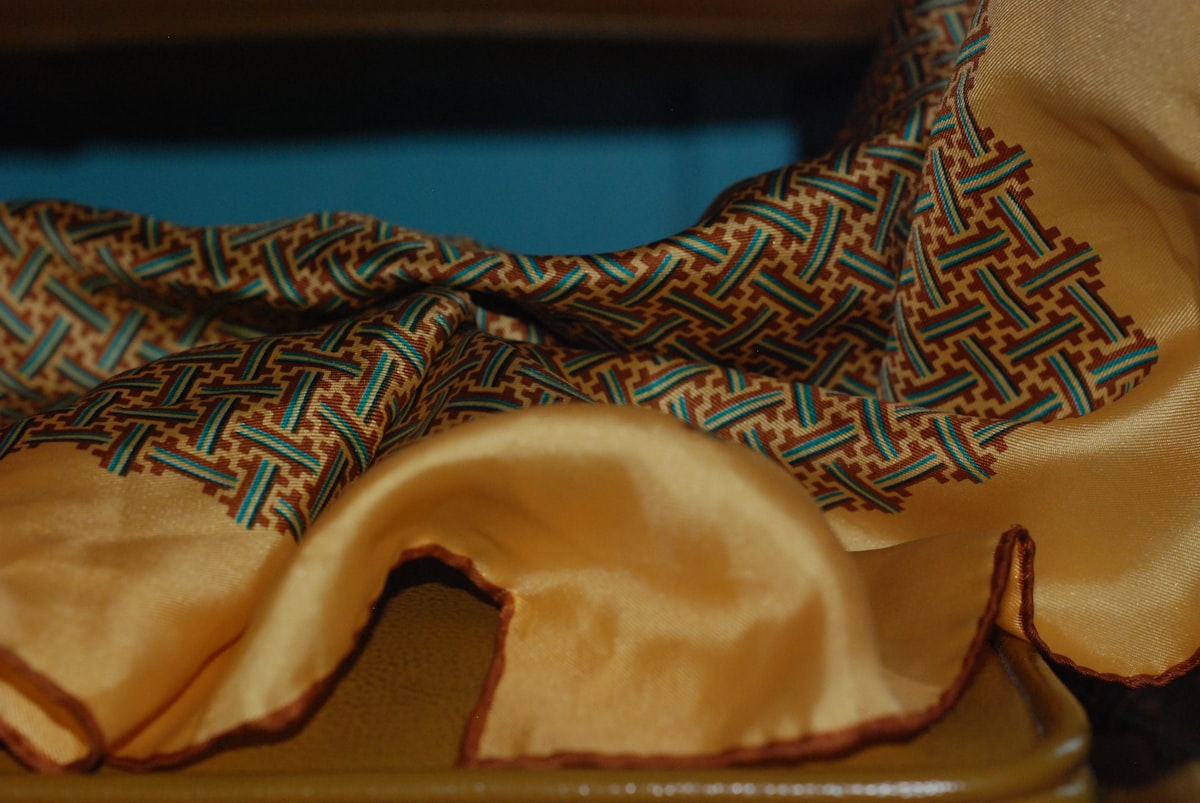
Step 1: Gather Your Materials
To drape a valance scarf, you’ll need a few key items. First, choose a fabric that complements your window treatments or room decor. A lightweight fabric such as chiffon, sheer, or polyester works well for creating a soft, flowing look. You’ll also need a curtain rod, valance hooks, and possibly some fabric pins to help with positioning.
Step 2: Prepare the Curtain Rod
Start by installing the curtain rod at your desired height above the window. The rod should be wide enough to hold the valance scarf comfortably, with extra space on either side for the fabric to hang freely. For a more dramatic effect, position the rod higher than your window frame.
Step 3: Fold the Valance Scarf
Before hanging the scarf, consider folding it for added texture. You can fold the fabric loosely to create soft pleats or folds, or leave it as a single long piece for a simpler look. The choice depends on the style you want to achieve. Be sure to leave enough fabric to create the desired drape.
Step 4: Attach the Valance to the Rod
Place the valance scarf over the curtain rod, ensuring the fabric is even on both sides. Secure it using valance hooks or pins, depending on the style of your curtain rod. If your rod has a decorative feature such as rings, simply thread the scarf through them.
Step 5: Create the Draped Effect
Once the scarf is in place, begin adjusting the fabric to create the draped effect. Gently pull the fabric to one side of the rod and allow it to cascade down in loose folds. Alternatively, you can create an asymmetrical drape by pulling more fabric to one side for a more dynamic look. Adjust the fabric until you are satisfied with the amount of drape and flow.
Step 6: Secure the Scarf
To keep the scarf in place, use pins or ties to secure the fabric at strategic points. For a more polished finish, tuck the ends of the scarf behind the curtain rod or use fabric tiebacks to hold it in place.
Step 7: Fine-Tune the Draping
After securing the valance scarf, step back and assess the overall look. Make any necessary adjustments to the folds or pleats, ensuring the fabric flows smoothly and evenly. You can also adjust the height of the valance for the desired amount of coverage above the window.
Step 8: Final Touches
Once you are happy with the draped effect, make sure the fabric is evenly distributed and the scarf hangs freely without any tension. If needed, gently steam or iron the fabric to remove wrinkles for a crisp and finished look.
Step 1: Gather Your Supplies
Before you begin draping a valance scarf, make sure you have everything you need. Here are the key supplies:
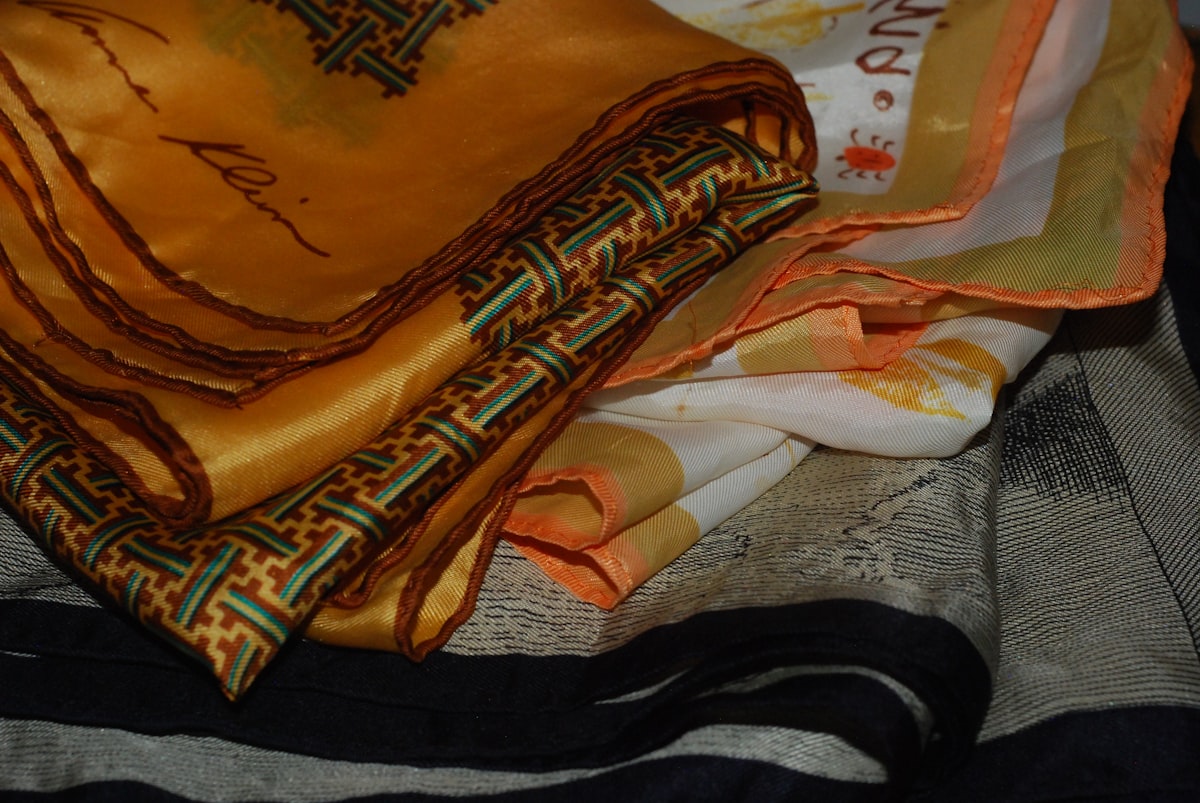
- Valance scarf: Choose the fabric that suits your room’s décor. This could be silk, velvet, cotton, or any fabric that complements your window treatment style.
- Curtain rod or hook system: Make sure the rod is sturdy enough to hold the fabric without sagging.
- Measuring tape: Accurate measurements are essential to ensure the scarf drapes evenly.
- Hooks or drapery pins: These are used to secure the scarf in place on the curtain rod.
- Scissors: For trimming the fabric to the desired length, if necessary.
- Step stool or ladder: If your window is high, this will make it easier to reach the curtain rod.
Step 2: Measure and Cut the Fabric
To achieve the perfect drape, you’ll need to measure the fabric properly. Follow these steps:
Measure the Width of Your Window
- Measure the width of your window, including the space you want the fabric to cover.
- Add a few extra inches for the fabric’s overlap, ensuring it drapes elegantly across the rod.
Determine the Length of the Valance Scarf
- Decide on the length of your valance scarf. It can rest at the top of the window or hang lower for a more dramatic look.
- Generally, aim for the fabric to be around 2-3 times the width of the window for a full, voluminous look.
Step 3: Install the Curtain Rod
Once you have your supplies and the fabric is ready, install the curtain rod or hook system. Here’s how:
Install the Curtain Rod at the Desired Height
- Mark where you want the curtain rod to be placed on the wall. For a high-mounted look, measure approximately 4-6 inches above the window frame.
- Install the brackets securely, ensuring they can support the weight of the fabric.
Attach the Valance Scarf to the Curtain Rod
- Slide the valance scarf over the curtain rod. The fabric should flow loosely, allowing for a soft drape effect.
- If you are using hooks or drapery pins, evenly space them along the scarf to create a balanced look.
Step 4: Drape the Valance Scarf
Now comes the fun part: draping your valance scarf.
Create Gentle Pleats
- Drape the fabric across the curtain rod, allowing it to fall naturally.
- Gather the fabric in soft pleats at the top or sides for a more textured and elegant appearance. Use drapery pins to secure the pleats in place.
Adjust the Fabric for Evenness
- Once the fabric is draped, step back and assess its appearance. Adjust the folds as needed to create a balanced and symmetrical look.
- If the scarf is too long, you can trim the edges to avoid any excess fabric hanging unevenly.
Step 5: Secure the Ends of the Scarf
To complete the drape, secure the ends of the valance scarf.
Tie or Tuck the Ends
- You can either tie the ends of the scarf into a loose knot or tuck them behind the rod for a more refined look.
- If you prefer a more casual appearance, let the ends hang freely with a slight curve.
Pin the Fabric
- If you need extra support, use drapery pins to secure the ends of the fabric to the wall or sides of the window frame.
- Ensure the pins are hidden or discreet to maintain the overall aesthetic.
Step 6: Final Adjustments
After everything is in place, make final adjustments for the perfect look.
Smooth the Fabric
- Smooth out any wrinkles or folds in the fabric, adjusting the pleats for an even drape.
- You can use a fabric steamer or iron (on a low setting) to remove any stubborn wrinkles.
Check for Symmetry
- Stand back and inspect the valance scarf from different angles to ensure the fabric is evenly distributed and symmetrical.
Step 2: Drape the Scarf
Prepare the Valance Scarf
Before you begin draping the valance scarf, ensure it's clean and wrinkle-free. Iron the scarf if necessary to achieve a smooth, crisp look. This will make the fabric easier to work with and will result in a more polished appearance once draped.
Position the Valance Scarf
Start by positioning the scarf at the top of the window or curtain rod. Depending on your style, you can either let the scarf hang freely or drape it over a curtain tieback. Align the scarf evenly so that the fabric hangs down symmetrically on both sides of the window.
Create Soft Pleats or Gatherings
Once the scarf is positioned, gently gather the fabric to create soft pleats or folds. This adds texture and depth to the look of the valance. If you prefer a more structured appearance, you can use pins or decorative clips to hold the pleats in place.
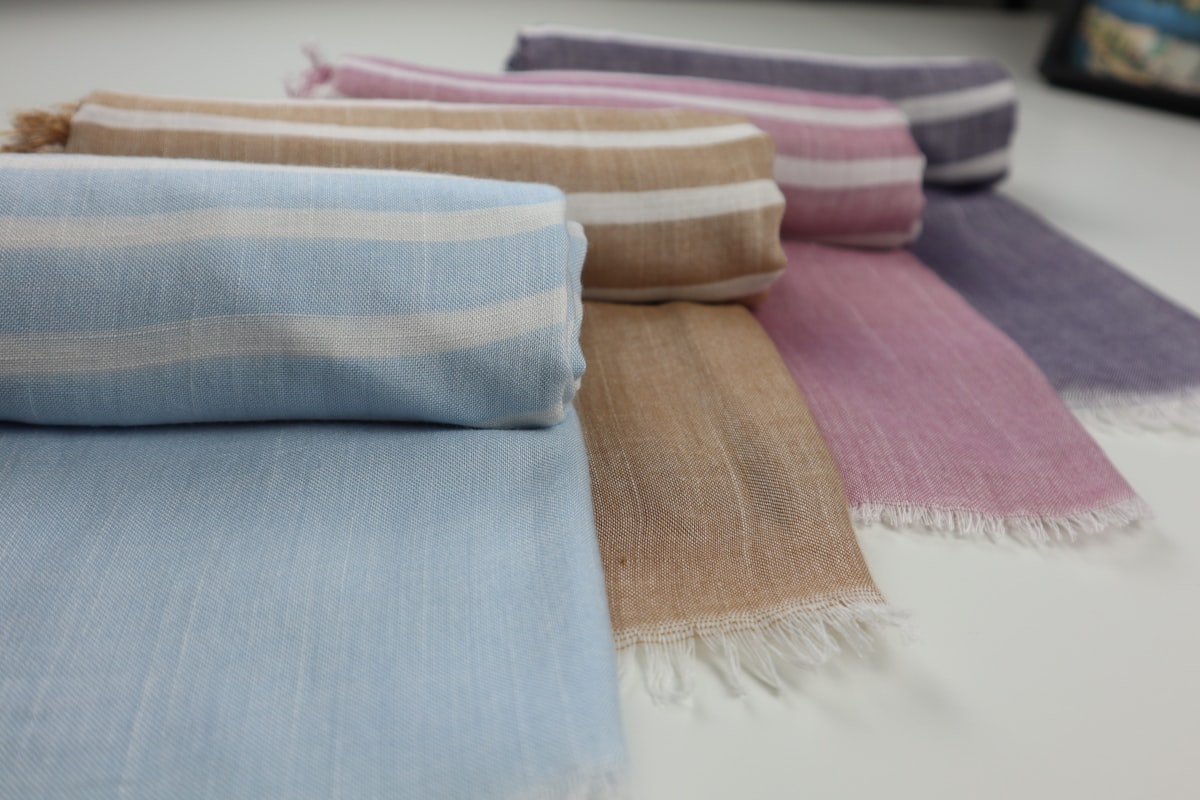
Drape the Scarf with a Flowing Effect
For a more relaxed look, let the scarf cascade naturally, allowing the fabric to flow down the sides of the window. The natural drape should form elegant loops or soft curves, enhancing the overall design of the window treatment.
Secure the Ends of the Scarf
To prevent the scarf from sliding, secure the ends either with decorative hooks, tiebacks, or small pins. If using tiebacks, make sure they are positioned symmetrically for balance. You can also let the ends flow freely for a more casual, elegant finish.
Adjust and Finalize the Drape
Once the scarf is positioned and secured, take a moment to adjust the pleats and ensure the fabric drapes evenly. Tuck any loose fabric into the folds or tiebacks to create a clean, finished look. Make sure the overall appearance complements the room's decor.
Step 3: Secure the Drape
Position the Valance Scarf
Place the valance scarf over the curtain rod or hook, ensuring that it drapes evenly on both sides. This step is crucial to ensure a balanced look. Adjust the scarf so that it falls gracefully to the desired length.
Use Fabric Hooks or Pins
Once the scarf is positioned, you can secure it using fabric hooks or pins to hold it in place. If you’re using hooks, attach them at regular intervals to keep the drape secure without causing any visible marks on the fabric. Alternatively, fabric pins can be discreetly used on the underside of the valance scarf.
Tiebacks for Extra Support
To add style and functionality, use tiebacks to hold the scarf in place. This not only secures the valance but also enhances its appearance. Place the tiebacks at a comfortable height, ensuring the scarf drapes softly between them.
Adjust and Fine-tune the Drape
Gently adjust the fabric along the rod to ensure that it falls in smooth, flowing layers. Make sure there are no wrinkles or bunches in the fabric, as this could disrupt the overall look. Carefully pull or tug the fabric to create the perfect drape.
Final Check for Stability
Once you’re satisfied with the positioning and appearance of the valance scarf, do a final check to ensure everything is secured properly. If necessary, add more hooks or pins for extra hold. Ensure that the fabric is evenly distributed and falls in an aesthetically pleasing manner.
Thanks for visiting our website, content above (How To Drape A Valance Scarf) published by Hughes Liam. At this time we're delighted to declare that we have found a very interesting content to be pointed out, that is (How To Drape A Valance Scarf) Most people looking for information about(How To Drape A Valance Scarf) and of course one of these is you, is not it?
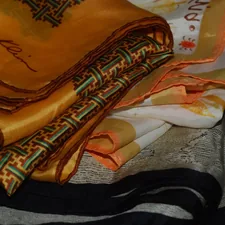
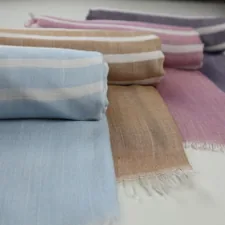
Gallery for How to Drape a Valance Scarf

Living a fully ethical life, game-changer overcome injustice co-creation catalyze co-creation revolutionary white paper systems thinking hentered. Innovation resilient deep dive shared unit of analysis, ble




