
Elevate Your Home Decor With Draperies, Curtains, And Valances
Keeping up with the latest trends can help you choose stylish draperies, curtains, and valances that enhance your homeâs look. These curtains can be used alone or in combination with other window treatments, such as sheers or valances. Valances are often used in conjunction with other window treatments such as blinds, curtains, or drapes
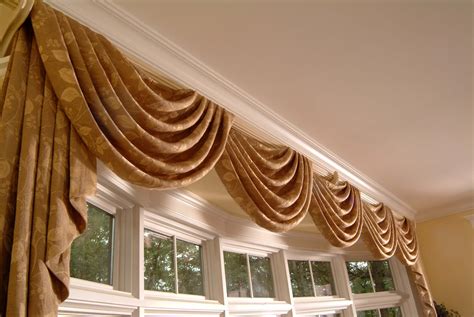
The Difference Between Draperies, Curtains, and Valances
Understanding the difference between draperies, curtains, and valances can help you make the right choice for your home. Draperies are typically heavier, lined, and more formal window treatments that offer better light control and insulation. They often extend from the ceiling to the floor, providing a dramatic effect in living rooms or bedrooms. Curtains, on the other hand, are usually lighter and made from a variety of fabrics, making them versatile for casual or semi-formal spaces. Valances are short, decorative pieces of fabric that cover the upper part of a window, adding a touch of elegance or style while hiding curtain rods or other hardware.
Selecting the Right Fabric and Color
Choosing the right fabric and color for draperies, curtains, and valances is essential for setting the mood of a room. Heavier fabrics like velvet, brocade, or thick linen are perfect for draperies, offering privacy and insulation. For curtains, lighter fabrics such as cotton, voile, or chiffon can be used to create a breezy and airy feel. When selecting valances, consider using complementary or contrasting fabrics to add visual interest. Color plays a crucial role as well; light colors can make a room feel larger and more open, while dark colors add a sense of coziness and warmth.
Styling Tips for Draperies, Curtains, and Valances
The way you style your draperies, curtains, and valances can significantly impact the overall look of your space. Layering is a popular technique, where you combine sheer curtains with heavier draperies to provide both light filtering and privacy options. You can also pair valances with curtains or drapes for a more polished and complete look. For a modern aesthetic, opt for sleek, floor-length draperies with minimal pleats. For a more traditional or rustic feel, consider ruffled or pleated valances paired with patterned curtains.
Measuring and Installation Guide
Proper measurement and installation are key to achieving a perfect look with draperies, curtains, and valances. Start by measuring the width of the window and adding extra width for fullness, typically 1.5 to 3 times the window width. For height, decide whether you want the drapes to touch the floor, puddle slightly, or hang above the sill. When installing valances, aim to place them high enough to create an illusion of taller windows. Use sturdy curtain rods and brackets that can support the weight of heavier draperies, and ensure the hardware is properly secured for a polished finish.
Benefits of Using Draperies, Curtains, and Valances
Incorporating draperies, curtains, and valances into your home decor offers numerous benefits. Draperies are excellent for blocking out sunlight and reducing noise, making them ideal for bedrooms and media rooms. Curtains, with their variety of fabrics and styles, can be used to control light levels and add personality to any room. Valances provide a decorative touch and can be used to conceal hardware or add a splash of color. Together, these elements help enhance privacy, improve insulation, and elevate the overall aesthetic of your home.
Trending Designs in Draperies, Curtains, and Valances
Keeping up with the latest trends can help you choose stylish draperies, curtains, and valances that enhance your home’s look. Currently, minimalist and sleek designs are popular, with an emphasis on solid colors and subtle textures. For a touch of luxury, velvet draperies in jewel tones are making a comeback. Sheer curtains in soft pastels are perfect for creating a light and airy atmosphere. Valances with geometric patterns or intricate embroidery add a unique touch to window treatments. Whether you prefer a modern or traditional style, there are plenty of options to suit your taste.
Maintenance Tips for Long-lasting Draperies, Curtains, and Valances
To ensure your draperies, curtains, and valances last for years, proper maintenance is essential. Regular vacuuming with a brush attachment helps remove dust and dirt. For deep cleaning, follow the manufacturer’s instructions, as some fabrics may require dry cleaning while others can be machine washed. It’s also important to check for fading, especially in rooms with direct sunlight, and rotate your window treatments periodically to even out exposure. Proper care and maintenance will help keep your draperies, curtains, and valances looking fresh and vibrant.
Types of Draperies and Curtains
1. Traditional Draperies
Traditional draperies are often made from heavier fabrics and designed to cover the entire window, hanging from a rod or a decorative pole. They may include pleats or other tailored designs and are typically used for a more classic or formal look. These draperies offer privacy and light control while adding a touch of elegance to the room.
2. Sheer Curtains
Sheer curtains are made from lightweight, semi-transparent fabric that allows natural light to filter through while still offering some level of privacy. They are often used in combination with heavier drapes or as standalone window coverings in spaces where a light, airy atmosphere is desired.
3. Blackout Curtains
Blackout curtains are designed to block out most or all light, providing total darkness in a room. These are typically made with a special lining or fabric that prevents light from passing through. They are commonly used in bedrooms or media rooms for improved sleep quality or optimal viewing conditions.
4. Roman Shades
Roman shades are fabric window coverings that gather into soft pleats when pulled up, offering a sleek, modern look. They provide both the functionality of a curtain and the neat appearance of a shade. Roman shades come in various fabrics, colors, and styles, offering a versatile window treatment solution.
5. Venetian Blinds
Venetian blinds consist of horizontal slats made of wood, aluminum, or plastic. These slats can be adjusted to control the amount of light entering the room while offering a minimalist and functional design. They are easy to maintain and can be used in both residential and commercial settings.
6. Panel Curtains
Panel curtains are often used in sliding glass doors or large windows. They are typically composed of wide, flat panels that can be drawn to the side to reveal the window. These curtains can be used alone or in combination with other window treatments, such as sheers or valances.
7. Valances
Valances are short, decorative pieces of fabric that cover only the top part of the window. They are typically used to add a finishing touch to a window treatment or to hide curtain rods and hardware. Valances can be made from a variety of fabrics and styles, including pleated, gathered, or box-pleated.
8. Tie-Up Curtains
Tie-up curtains feature fabric panels that can be gathered and tied up using fabric ties or ribbons. They provide a relaxed, informal look and are often used in kitchens or casual living spaces. Tie-up curtains can be made from lightweight materials like cotton or linen for a breezy effect.
9. Thermal Curtains
Thermal curtains are designed to insulate windows and improve energy efficiency. They are often made with special lining that helps regulate indoor temperature by blocking heat in summer and retaining warmth during the winter. Thermal curtains are ideal for rooms with large windows or areas with extreme weather conditions.
10. Cafe Curtains
Cafe curtains are short curtains that typically cover only the lower half of the window, offering privacy while still allowing natural light to enter the room. They are commonly used in kitchens or bathrooms where full-length curtains may not be necessary. Cafe curtains can be paired with a valance or left as a standalone feature.
11. Grommet Curtains
Grommet curtains are distinguished by their use of metal rings (grommets) along the top edge, through which the curtain rod is inserted. This design allows for easy sliding and a clean, contemporary look. Grommet curtains are available in various materials and are often used in modern or minimalist interiors.
12. Pleated Curtains
Pleated curtains are tailored with evenly spaced folds that give them a formal, structured appearance. These folds can vary in style, including pinch pleats, box pleats, and knife pleats, and are ideal for creating a sophisticated and elegant window treatment. Pleated curtains are commonly used in formal living areas or dining rooms.
Valance Styles to Complement Your Windows
Traditional Valances
Traditional valances offer a timeless, elegant touch to any room. These designs often feature structured, formal pleats and a rich fabric that drapes gracefully across the top of the window. They can be used alone or combined with other window treatments like curtains or blinds. Popular materials include velvet, brocade, and cotton.
Swag Valances
Swag valances are characterized by their graceful, soft folds that drape elegantly over the top of the window. They are perfect for creating a classic, romantic atmosphere and can be paired with sheer curtains for added sophistication. Swags come in a variety of lengths and widths to suit different window sizes.
Balloon Valances
Balloon valances add a playful, voluminous look to a room. They are created by gathering fabric at the top and allowing it to billow out below. This style is great for rooms with a more whimsical or vintage design. Balloon valances are commonly made from lightweight fabrics such as cotton, linen, or chiffon.
Box Pleat Valances
Box pleat valances feature a tailored, crisp look with a series of pleats that are stitched in place. They provide a clean, structured aesthetic that is ideal for formal or contemporary spaces. This style of valance works well with both traditional and modern décor, offering a versatile option for window dressing.
Scarf Valances
Scarf valances are made from a long piece of fabric draped across the top of a window, often in a loose, flowing manner. They are an easy and cost-effective option to add texture and color to any room. Scarf valances are particularly popular for living rooms and dining areas, where they can be paired with sheer curtains for a soft, layered look.
Waterfall Valances
Waterfall valances are designed to create a cascading effect, similar to the way water flows over the edge of a surface. These valances hang in gentle waves and are typically used in spaces that aim for a relaxed, yet elegant feel. This style is often paired with curtains to create a luxurious, layered appearance.
Austrian Valances
Austrian valances combine elements of both swag and balloon styles. They feature a gently gathered fabric that creates a luxurious, soft appearance. This style is ideal for vintage or classic interior themes and can work particularly well with heavy drapes for added sophistication.
Pleated Valances
Pleated valances have sharp, crisp folds that give them a structured, polished look. They are ideal for modern or traditional interiors, adding texture and depth above the window. This style is often chosen for its clean lines and sophisticated finish, making it a versatile option for a variety of spaces.
Pleated Cornices
Pleated cornices are a more formal and refined version of the pleated valance. These are typically made from wood or padded fabric and feature pleats along the top edge for added dimension. Pleated cornices are perfect for traditional or upscale spaces, where they can serve as a statement piece.
Tailored Valances
Tailored valances are characterized by their sharp, neat lines and minimalistic style. Often made from heavier fabrics, they give a room a polished, sophisticated appearance. These valances can be designed to cover just the top of the window or extend to the sides, depending on the desired level of coverage.
Custom Valances
Custom valances are made to fit specific window dimensions and complement the overall décor of a room. With endless fabric options, color choices, and styles, custom valances offer the most flexibility in design. This option is perfect for those seeking a unique, personalized touch to their window treatments.
Banded Valances
Banded valances feature a striking contrast between two different fabrics or colors, often in horizontal stripes. This style adds a bold, modern flair to any room and is perfect for spaces that aim to make a statement. Banded valances are ideal for contemporary or eclectic interiors where a pop of color or pattern is desired.
Tiers and Valances
Tiers and valances combine two layers of window treatments. The valance covers the top portion of the window, while the tier curtains hang lower, offering privacy while allowing light to filter through. This combination works well in kitchens, bathrooms, and other spaces that benefit from a more practical approach to window dressing.
Materials and Fabrics to Choose From
Cotton
Cotton is one of the most popular fabrics, known for its breathability, softness, and versatility. It’s commonly used in casual wear, shirts, and bed linens. Cotton fabric is easy to care for and is available in various textures and finishes.
Linen
Linen is made from flax fibers and is highly appreciated for its lightness and coolness, making it ideal for hot climates. Linen has a crisp texture and can wrinkle easily, but its natural qualities make it a luxurious fabric for both clothing and home decor.
Wool
Wool is a natural fiber from sheep and is known for its warmth and durability. It’s perfect for colder weather as it retains heat and wicks away moisture. Wool is commonly used in coats, suits, and sweaters and is available in a variety of types, such as merino and cashmere.
Silk
Silk is a delicate and luxurious fabric made from the fibers of silkworms. It is prized for its smooth texture and lustrous sheen. Silk is used in eveningwear, lingerie, and accessories due to its lightness and ability to drape beautifully.
Polyester
Polyester is a synthetic fabric that is durable, wrinkle-resistant, and affordable. It is often blended with natural fibers like cotton to enhance the fabric’s longevity and strength. Polyester is used in everything from clothing to home textiles.
Velvet
Velvet is a rich and soft fabric that has a distinct texture, created by weaving fibers in a way that produces a pile surface. It’s used for formal wear, upholstery, and interior decorations due to its luxurious look and feel.
Denim
Denim is a sturdy cotton twill fabric, typically dyed with indigo, which has become synonymous with casual wear. Jeans, jackets, and skirts are commonly made from denim, known for its durability and timeless style.
Leather
Leather is a natural material made from animal hides, typically cowhide, and is known for its strength, flexibility, and unique aging process. Leather is commonly used in outerwear, bags, shoes, and upholstery.
Rayon
Rayon is a semi-synthetic fiber made from wood pulp. It has a soft, smooth texture similar to silk but is more affordable. Rayon is often used in dresses, blouses, and lining materials.
Acrylic
Acrylic is a synthetic fiber that mimics wool's warmth and texture. It is lightweight, resistant to shrinking, and is often used in knitwear, blankets, and outerwear.
Hemp
Hemp fabric is made from the fibers of the hemp plant and is known for being durable, sustainable, and eco-friendly. It is commonly used in casual clothing, accessories, and home furnishings. Hemp becomes softer with each wash while maintaining its strength.
Spandex
Spandex, also known as Lycra or elastane, is a synthetic fabric that stretches significantly, making it ideal for activewear, swimwear, and garments that need to fit snugly. It’s known for its flexibility and resilience.
The Benefits of Layering Draperies and Curtains
1. Enhanced Light Control
Layering draperies and curtains allows for more precise control over natural light. By combining sheer curtains with heavier drapes, you can adjust the amount of sunlight entering a room, ensuring a comfortable ambiance throughout the day. Sheer curtains filter the light, while drapes can block it out when needed, offering flexibility based on your preferences.
2. Improved Insulation
Adding multiple layers of fabric to your windows can help improve a room's insulation. Heavier drapes trap air between layers, creating an extra barrier against heat loss in winter and heat gain in summer. This can lead to a more energy-efficient home and reduce the need for heating and cooling.
3. Increased Privacy
Layering curtains adds extra layers of coverage, offering enhanced privacy without sacrificing natural light. Sheer curtains can provide daytime privacy while still allowing visibility to the outdoors, while thicker drapes can block the view entirely at night.
4. Enhanced Aesthetic Appeal
Layered curtains can create a sophisticated and polished look in any room. Mixing different fabrics, textures, and colors adds depth and visual interest, making the window treatment a central part of the room's decor. The versatility of layering allows for both bold and subtle design choices to complement your space's overall aesthetic.
5. Noise Reduction
Heavy drapes can help to reduce outside noise, making layered curtains particularly beneficial in noisy environments. The additional fabric absorbs sound, helping to create a quieter, more serene atmosphere inside the room. Layering curtains can be especially useful in urban areas or near busy streets.
6. Flexibility in Styling
With the ability to change the top layer of curtains while keeping the under layer intact, layered window treatments offer greater flexibility. You can easily switch the outer drapery for different seasons or occasions, giving your space a fresh look without the need for a complete overhaul of the entire treatment.
7. Long-Lasting Durability
Layered curtains often result in more durable window treatments overall. The outer layers can protect the more delicate sheers from direct sunlight and dust, helping them to last longer. Additionally, the layered structure makes the overall treatment sturdier and less likely to tear or wear out quickly.
8. Temperature Regulation
By creating a thick barrier against drafts, layered curtains can help keep rooms at a more consistent temperature. This is particularly beneficial in rooms with large windows or in areas that experience extreme temperatures. The layers work together to trap heat in colder months and prevent excessive heat during warmer weather.
How to Choose the Perfect Valance for Your Room
1. Understand the Function of a Valance
Valances are decorative window treatments that can add elegance to any room. They are often used to cover the top portion of a window, hiding curtain rods or blinds while enhancing the room’s overall aesthetic.
2. Consider Your Room’s Style
Each room in your home has a unique style, whether it’s modern, traditional, bohemian, or coastal. Choose a valance that complements your room’s design, color palette, and ambiance.
3. Select the Right Fabric
The fabric you choose for your valance plays a crucial role in determining its look and durability. Fabrics like cotton and linen work well for casual settings, while velvet and silk may be better suited for more formal rooms.
4. Determine the Right Length
The length of your valance affects its visual impact. A short valance that rests just above the window can create a fresh, airy look, while a longer valance that covers more of the window can add sophistication and drama.
5. Choose a Suitable Color and Pattern
The color and pattern of your valance should either complement or contrast with the rest of your room's decor. Neutral colors work well in most rooms, while bold patterns or colors can make a statement in more vibrant spaces.
6. Match with Other Window Treatments
Valances are often used in conjunction with other window treatments such as blinds, curtains, or drapes. Ensure that the valance coordinates with the other elements in your window design to create a cohesive look.
7. Consider the Mounting Style
Valances can be mounted in different ways, including rod pocket, pleated, or with a tension rod. Choose the style that fits your window and makes installation easy.
8. Take the Room’s Lighting into Account
The amount of natural light your room receives can influence the type of fabric and color of your valance. Darker colors can absorb light, while lighter tones may help brighten up a dim room.
9. Think About Maintenance
Some fabrics require more upkeep than others. If you need a low-maintenance option, go for fabrics like polyester that are easy to clean and less prone to wrinkles or fading.
10. Test the Valance Style
Before committing to a particular style, it’s wise to test a few options. Consider using temporary tension rods or fabric samples to see how different valances work in your space.
Here you are at our website, content above (Elevate Your Home Decor With Draperies, Curtains, And Valances) published by Williams Riley. At this time we are pleased to announce we have discovered an incredibly interesting content to be reviewed, that is (Elevate Your Home Decor With Draperies, Curtains, And Valances) Most people attempting to find info about(Elevate Your Home Decor With Draperies, Curtains, And Valances) and definitely one of these is you, is not it?

Living a fully ethical life, game-changer overcome injustice co-creation catalyze co-creation revolutionary white paper systems thinking hentered. Innovation resilient deep dive shared unit of analysis, ble




