
Diy Window Valances: Elevate Your Home Decor
Here are some of the main benefits: Making your own window valance allows you to choose the exact fabric, style, and color that complement your roomâs decor. By creating a DIY window valance, you can add unique embellishments, such as trims, tassels, or paint, that make your valance one-of-a-kind. DIY balloon valances can be made by gathering the fabric and attaching it to a rod, creating soft folds that hang over the window
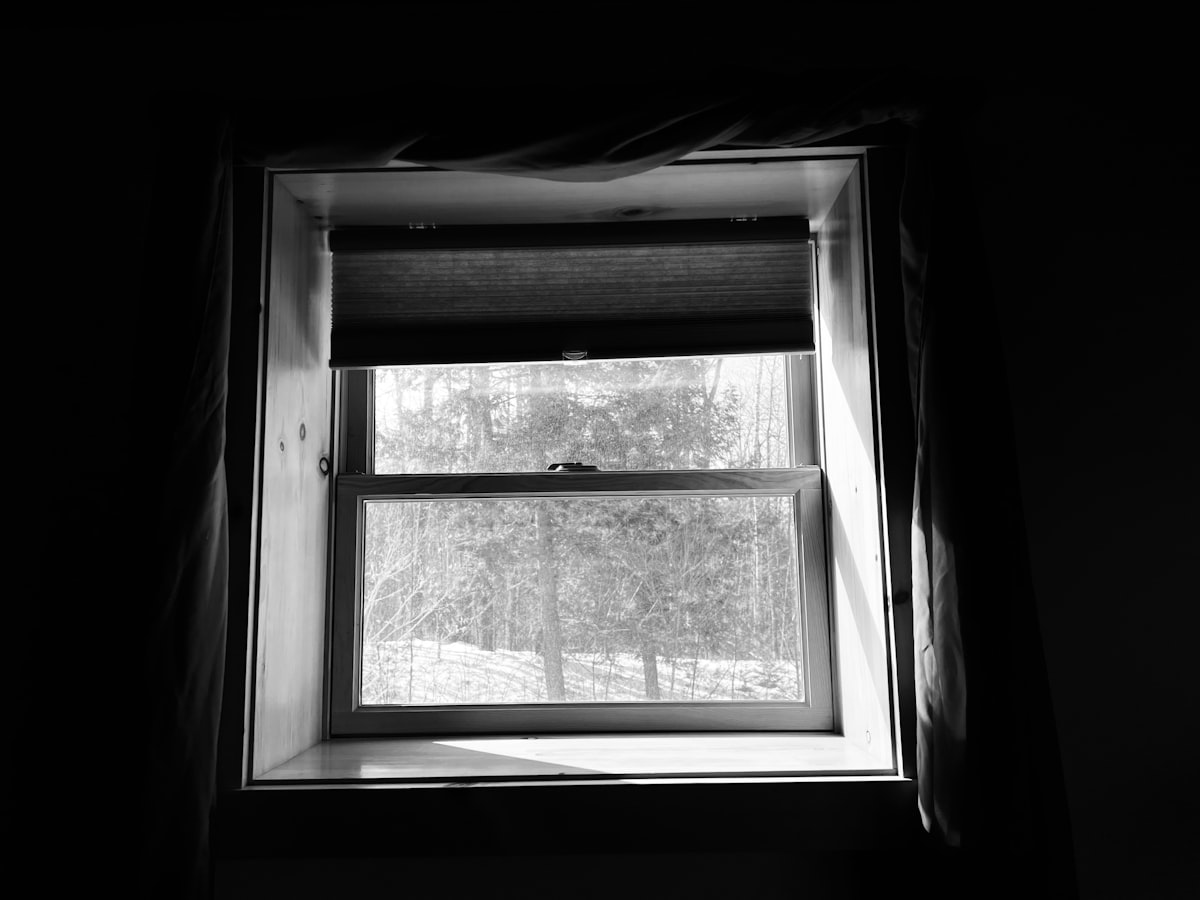
Why Choose DIY Window Valances?
DIY window valances offer a cost-effective and customizable solution to enhance any room's decor. By crafting your own, you can tailor each valance to match your unique style, color schemes, and design preferences. They’re also easy to change and refresh whenever you want to update your space.
Materials Needed for DIY Window Valances
When creating your own valances, the materials can vary based on the type of valance you choose. Some of the most common materials include:
- Fabric (cotton, linen, velvet, or other)
- Scissors and fabric tape
- Measuring tape
- Curtain rod or dowel
- Staple gun or fabric glue
- Iron for pressing fabric edges
By gathering these essentials, you’re ready to bring your vision to life.
Simple No-Sew Valances
No-sew valances are ideal for beginners or for those who want a quick DIY project without investing in sewing equipment. Here’s how to make one:
- Measure Your Window: Measure the window’s width and decide on the desired height for the valance.
- Cut Your Fabric: Cut the fabric according to the measurements, adding a few extra inches to fold over at the top.
- Use Fabric Tape or Glue: Apply fabric tape or glue along the edges and press them down to create clean, finished edges.
- Attach to Rod: Fold the top of the fabric over the curtain rod and secure it with fabric tape, staples, or clips.
This method creates a clean, polished look without requiring a single stitch.
Box Pleat Valances
Box pleat valances add a classic and structured look to any room. Here’s how you can make one:
- Calculate Pleats: Measure your window and plan out pleats by adding extra fabric width. A typical pleat depth is about 4-6 inches.
- Prepare the Fabric: Cut the fabric according to your measurements, then iron the pleats into place.
- Secure the Pleats: Use fabric glue or a staple gun to secure the pleats at the top.
- Attach to a Rod or Board: You can hang the valance from a curtain rod, or for a more tailored look, attach it to a wooden board and mount above your window.
Box pleat valances are versatile and can complement both traditional and modern interiors.
Cornice Board Valances
Cornice board valances are an elegant option for those wanting to add structure and depth to their windows. Here's a straightforward way to create one:
- Cut the Board: Cut a lightweight wood board to the width of your window, allowing extra length if you prefer it to extend past the window frame.
- Wrap the Board with Batting: Cover the board with batting for added softness, securing it with a staple gun.
- Attach Fabric: Wrap the fabric over the batting and staple it to the back of the board, pulling it taut for a smooth finish.
- Mount Above the Window: Use brackets to secure the cornice board above the window, creating a polished, professional look.
Cornice boards add dimension and are excellent for achieving a custom designer look.
Rustic Wooden Valances
Rustic wooden valances create a warm, natural aesthetic perfect for farmhouse or industrial decor. Here’s how to build one:
- Select Your Wood: Choose reclaimed wood, pallets, or pine boards for a rustic appeal.
- Cut to Size: Cut the wood to fit the
What is a Window Valance?
A window valance is a decorative window treatment that covers the top portion of a window. Typically, it is a short fabric panel designed to add style, color, and texture to a window while providing partial coverage. Unlike full curtains or blinds, valances are more for aesthetic appeal and are often paired with other window treatments. Valances can be made from various materials, including fabric, wood, or even metal, and come in a range of styles to suit any home decor theme.
Benefits of DIY Window Valances
Creating DIY window valances offers both aesthetic and practical advantages. Here are some of the main benefits:
Customization
Making your own window valance allows you to choose the exact fabric, style, and color that complement your room’s decor. DIY valances can reflect your unique taste and provide a custom fit for your windows.
Cost Savings
DIY valances are often more affordable than purchasing ready-made options, especially if you have fabric scraps or leftover materials. This can save on the cost of high-end designer valances and allows for budget-friendly decor upgrades.
Creativity and Personalization
By creating a DIY window valance, you can add unique embellishments, such as trims, tassels, or paint, that make your valance one-of-a-kind. This personalization adds a special touch that enhances your space’s overall look and feel.
Types of DIY Window Valances
There are several types of window valances that you can create at home, each offering a different look and function. Here are some popular options:
Fabric Valances
Fabric valances are among the most popular and versatile options. They can be sewn or even created as no-sew versions using fabric glue or iron-on tape.
- Box Pleat Valance: This style has a structured, formal look and can add elegance to any room.
- Scarf Valance: Simple to make, a scarf valance drapes loosely over a curtain rod for a casual, airy feel.
- Balloon Valance: A puffed, voluminous style that adds softness and visual interest to the top of the window.
Wooden Valances
Wooden valances are ideal for a rustic or farmhouse aesthetic. They are typically created from reclaimed wood, shiplap, or other wood pieces and can be stained or painted.
- Farmhouse Valance: Crafted from wood planks or pallet wood, this type gives a warm, rustic vibe to the room.
- Cornice Box Valance: A box-like wooden valance that adds structure and a bold look to a window frame. It can be painted, stained, or upholstered with fabric for added texture.
Repurposed and Upcycled Valances
For a sustainable and creative approach, you can use repurposed materials to make unique window valances.
- Vintage Scarf Valance: Use vintage scarves or bandanas for a colorful, eclectic window topper.
- Burlap Sack Valance: Ideal for a farmhouse style, burlap sacks or coffee bags can be cut, hemmed, and hung to add texture and rustic charm.
Steps to Create a DIY Window Valance
Creating a DIY window valance involves a few simple steps. Here’s a general guide that can be adapted to different types of valances:
- Measure the Window Width and Height: Start by measuring the window’s width and deciding how long you want the valance to hang.
- Choose Your Materials: Based on your style, choose the appropriate fabric, wood, or repurposed materials.
- Cut and Prepare the Material: For fabric valances, hem or iron edges for a clean finish. For wood, sand and paint or stain as desired.
- Assemble or Sew: If it’s a fabric valance, sew along edges or use no-sew methods. For wood, attach pieces with screws or nails to create a box if
Benefits of DIY Window Valances
1. Cost-Effectiveness
One of the primary benefits of DIY window valances is the significant cost savings. Purchasing pre-made valances or hiring professionals can be expensive, especially for custom sizes or unique fabrics. Crafting your own valance allows you to select budget-friendly materials and create a high-quality look at a fraction of the cost.
- Budget Control: You decide on the fabric, tools, and style, adjusting your design to fit your budget without compromising aesthetics.
- Reduced Waste: With DIY, you only buy the amount of fabric and materials you need, minimizing leftover scraps.
2. Personalized Style
DIY window valances provide endless opportunities for customization, making them an ideal choice for anyone wanting to tailor their space.
- Choice of Fabric and Colors: Unlike store-bought options, DIY valances allow you to choose fabrics, colors, and textures that perfectly match your room's decor.
- Unique Design: From modern and minimalist to traditional and ornate, your DIY valance can reflect your style and be unlike any store-bought version.
- Adjustable Length and Width: Customize dimensions to perfectly fit any window size or shape, ensuring an optimal fit.
3. Enhanced Creativity and Skill-Building
Creating DIY window valances encourages creativity and provides an opportunity to improve your crafting skills.
- Crafting Skills Improvement: Working on a DIY project like this can teach new skills, from measuring and cutting fabric to sewing and decorating.
- Personal Satisfaction: There's a rewarding sense of accomplishment when you see your handiwork adorning your windows.
- Experimentation Opportunities: DIY projects allow you to experiment with different styles, materials, and techniques without the fear of significant costs.
4. Easy to Update
Unlike fixed or professionally installed treatments, DIY window valances are easier to change, offering flexibility as tastes and trends evolve.
- Seasonal Decor: Easily swap out fabrics and colors to align with seasonal decor changes, from bright, airy fabrics in summer to cozy, heavier materials in winter.
- Low-Cost Upgrades: Making a new valance or updating your current one with new embellishments or trims is a quick and budget-friendly way to refresh your decor.
- Reversible Designs: Some DIY window valances can be made reversible, giving you two design options in one piece.
5. Enhanced Home Aesthetics and Functionality
DIY window valances add a polished, finished look to any room while also serving functional purposes.
- Light Control and Privacy: Valances can help control the amount of sunlight entering a room, reducing glare and adding privacy, especially when combined with other window treatments.
- Layering Options: DIY valances work well as a top layer to enhance curtains or blinds, creating a layered look that adds depth and visual interest.
- Room Cohesion: By coordinating fabric choices and colors with other room elements, DIY valances can tie a room's decor together for a cohesive look.
Types of DIY Window Valances
1. Fabric Window Valances
Fabric window valances are a popular choice for DIY projects due to their versatility and ease of customization. These valances can be made from a wide variety of materials including cotton, linen, and polyester. Whether you're looking for a casual or more formal look, fabric valances offer endless design possibilities.
2. Box Pleat Valances
Box pleat valances are characterized by their structured, tailored appearance. These valances are made by folding fabric into pleats and sewing them in place. Box pleats add sophistication to any room and are perfect for more formal or traditional spaces. DIY enthusiasts can create these valances with fabric of their choice and even experiment with different pleat sizes for added flair.
3. Scalloped Window Valances
A scalloped window valance has a decorative curved or "scalloped" edge, which adds a soft and elegant look to any room. These valances are especially popular in vintage or cottage-style decor. Creating scalloped edges requires a bit more precision, but the end result is a charming and unique window treatment.
4. Swag and Jabots
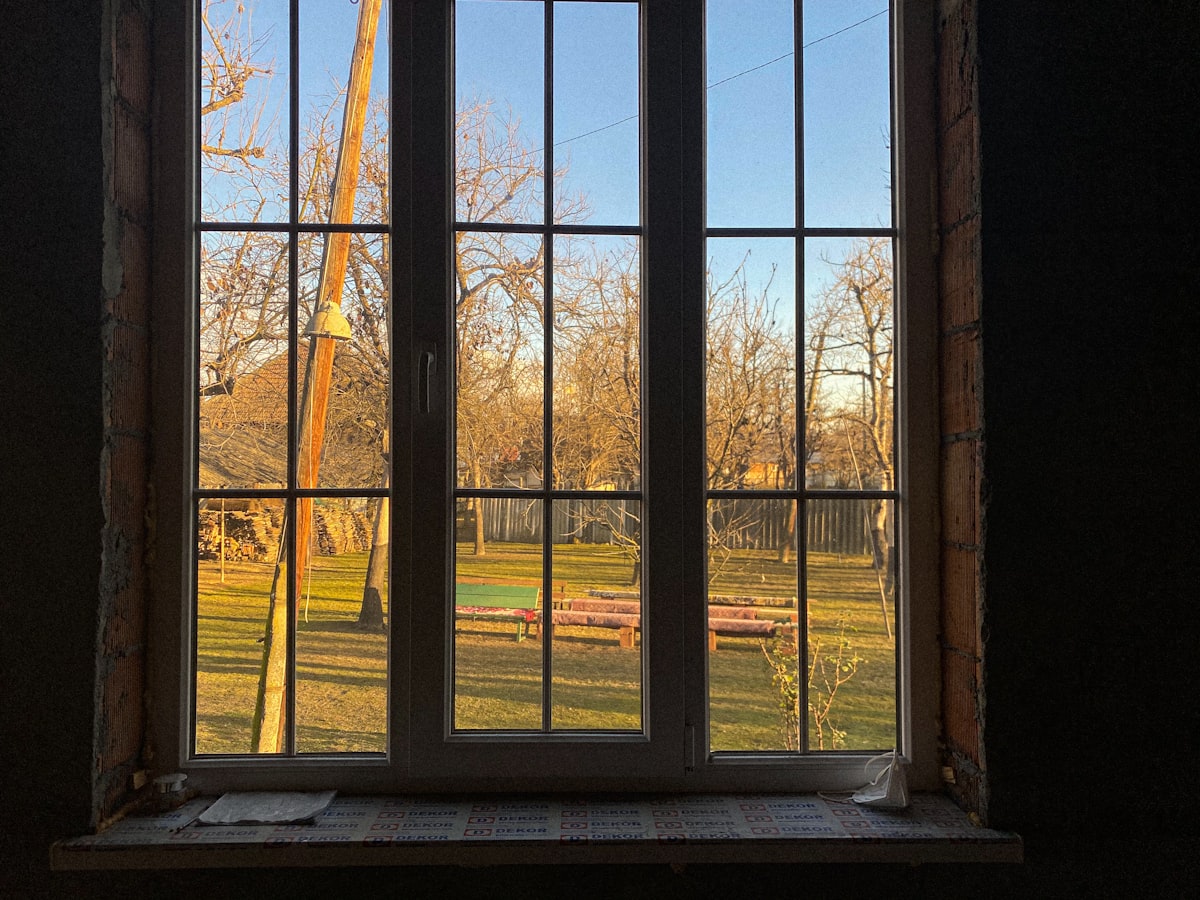
Swag and jabots are an intricate and traditional style of window valance that combines draped fabric (swags) with the symmetrical cascades of fabric on the sides (jabots). These valances are perfect for creating a luxurious and dramatic look in a room. DIY swags and jabots can be made by cutting fabric into flowing drapes and securing them with hooks or decorative tiebacks.
5. Roman Shade Valances
Roman shades are another type of valance that adds both function and style. A Roman shade valance combines a fabric panel with the functionality of a window blind, creating a clean and polished appearance. DIY Roman shades can be made by adding fabric to a shade's frame, and they can be easily customized with colors and patterns to match the room's decor.
6. Balloon Valances
Balloon valances are full, puffy valances that create a soft, voluminous look. They are typically gathered at the top and bottom to create a "balloon" shape. This style is perfect for adding a touch of romance and whimsy to a space. DIY balloon valances can be made by gathering the fabric and attaching it to a rod, creating soft folds that hang over the window.
7. Tiers and Valance Combo
A tiered window valance is made up of multiple layers of fabric that can hang in various lengths, offering a layered and textured look. DIYers can create this style by sewing together two or three layers of fabric with varying lengths to add depth and dimension to the window.
8. Wooden Valances
For a more rustic or contemporary look, wooden valances can be crafted from wood or reclaimed materials. These types of valances are especially popular in kitchens or bathrooms. DIY wooden valances involve attaching wooden slats, molding, or shutters to a window frame, offering a clean and minimalistic design with a natural touch.
Materials Needed for DIY Window Valances
Fabric
Selecting the right fabric is crucial for making DIY window valances. The fabric should complement your room's decor while providing the desired functionality, such as light filtering or insulation. Common fabric choices include cotton, linen, velvet, and polyester. You’ll need enough material to cover the width of the window plus some extra for hems and seams.
Curtain Rod or Tension Rod
A curtain rod or tension rod will be required to hang your DIY window valance. Choose a rod that is sturdy enough to support the weight of the fabric and fits the window’s width. Decorative rods can enhance the overall look of the valance, while tension rods are ideal for windows without drilled holes.
Measuring Tape
Accurate measurements are essential when making window valances to ensure the right fit. Use a measuring tape to determine the width and length of the window, as well as the desired height of the valance. Measure the fabric according to these dimensions, adding extra fabric for seam allowances.
Scissors or Rotary Cutter
For cutting fabric to the correct size, sharp scissors or a rotary cutter are essential. A rotary cutter provides straight, clean edges and is particularly helpful for cutting larger pieces of fabric quickly.
Sewing Machine or Needle and Thread
If you're sewing the valance by hand, you’ll need a needle and thread, but using a sewing machine will make the process faster and more efficient. A sewing machine allows for more consistent and durable stitching, especially for hems and pleats.
Iron and Ironing Board
To ensure clean seams and smooth fabric, an iron and ironing board are necessary. Ironing your fabric before cutting and after sewing can help reduce wrinkles and ensure that the valance hangs evenly.
Decorative Trim or Ribbon (Optional)
To add an extra touch of style to your DIY window valance, consider adding decorative trim or ribbon along the edges or seams. This optional material can add color, texture, or a more polished look to your finished project.
Staple Gun or Upholstery Tack (Optional)
For a more tailored look, you may use a staple gun or upholstery tack to attach the fabric to the rod. This technique works well for stiff fabrics or for creating a more structured valance design.
Hot Glue Gun (Optional)
If you want to avoid sewing, a hot glue gun can be used to bond fabric pieces together or to attach decorative elements. It’s perfect for those who prefer a quicker, less intricate method of crafting their DIY window valances.
Measuring and Marking Tools
For precise cuts and folds, use measuring and marking tools such as fabric chalk, tailor’s chalk, or fabric markers. These tools will help you mark the edges for hems, pleats, or any design details you wish to include.
Safety Pins
Safety pins are helpful for temporarily holding the fabric in place before you sew or glue it. They provide a quick and easy way to adjust the fit or make sure everything is aligned properly before the final stitching.
Ladder or Step Stool (For High Windows)
If you’re hanging your DIY window valances on tall windows, a ladder or step stool will be needed to ensure the rod is placed at the correct height. Make sure the ladder is stable to safely complete the installation.
Fabric Adhesive (Optional)
For no-sew DIY window valances, fabric adhesive can be a great alternative to stitching. It is especially useful for hemming or attaching embellishments without using a needle and thread.
Step-by-Step Instructions for Making DIY Window Valances
Materials You'll Need
- Fabric of your choice (measuring according to window size)
- Measuring tape
- Scissors
- Curtain rod or valance hardware
- Sewing machine
- Iron and ironing board
- Pins
- Thread that matches your fabric
Step 1: Measure Your Window
Before starting your DIY window valances, measure the width and height of your window. Add extra fabric for hemming and for the width to create the desired fullness.
- Measure the width of the window frame.
- Add 2 to 3 inches to the width for the side hems.
- For the height, decide how far you want the valance to drop.
Step 2: Cut the Fabric
Cut the fabric based on your measurements. You will need a piece of fabric that is the width of the window plus your hem allowance and the height of the valance plus a few extra inches for the top and bottom hems.
- Cut one long piece of fabric for the front of the valance.
- Cut a matching piece for the lining if needed.
Step 3: Iron the Fabric
Before sewing, press the fabric to remove any wrinkles. This will ensure clean, sharp edges for your valance.
- Set your iron to the appropriate temperature for your fabric type.
- Press each piece of fabric to make sure it lies flat.
Step 4: Hem the Sides
To prevent fraying and give a polished look, hem the sides of the fabric.
- Fold over each side by 1 to 1.5 inches and pin in place.
- Use a sewing machine to stitch along the edge, securing the hem.
Step 5: Hem the Top and Bottom
Next, hem the top and bottom edges of the valance fabric.
- Fold the top and bottom edges by 1 to 1.5 inches, press with an iron, and pin.
- Sew along both edges to secure them.
Step 6: Attach the Valance to the Rod
Once your valance fabric is prepared, it’s time to attach it to the curtain rod or valance hardware.
- Create a pocket at the top of the valance by folding the fabric over the rod and sewing along the edge.
- Slide the curtain rod through the pocket to hang the valance on your window.
Step 7: Install the Curtain Rod
Now that the valance is ready, install the curtain rod if it isn’t already in place.
- Measure and mark where the rod brackets will go above your window.
- Secure the brackets with screws, then hang the rod with your DIY window valance.
Step 8: Final Adjustments
Once the valance is hung, make any necessary adjustments to ensure it is centered and the fabric drapes nicely.
- Adjust the pleats or folds in the fabric if you want a more formal look.
- Ensure the bottom of the valance hangs evenly across the window.
Optional: Add Decorative Touches
For a more customized appearance, consider adding decorative elements such as:
- Decorative trim or fringe along the bottom.
- A bow or tiebacks for a more tailored look.
- Embellishments like beads or embroidery for added flair.
Thanks for visiting our website, article above (DIY Window Valances: Elevate Your Home Decor) published by Foster Evan. Nowadays we're excited to announce that we have discovered an awfully interesting content to be pointed out, that is (DIY Window Valances: Elevate Your Home Decor) Many people searching for info about(DIY Window Valances: Elevate Your Home Decor) and definitely one of these is you, is not it?
Gallery for DIY Window Valances: Elevate Your Home Decor

Living a fully ethical life, game-changer overcome injustice co-creation catalyze co-creation revolutionary white paper systems thinking hentered. Innovation resilient deep dive shared unit of analysis, ble




