
Diy Window Valance: Transform Your Windows With Style
The first step in creating your DIY window valance is to select the right fabric. To install your valance, follow these steps: Creating a DIY window valance is a simple yet effective way to transform your windows and add style to any room. By choosing the perfect fabric, measuring your windows accurately, cutting and hemming your fabric, assembling your valance, and installing it above your window, you can create a beautiful, professional-looking window treatment that enhances the beauty of your home
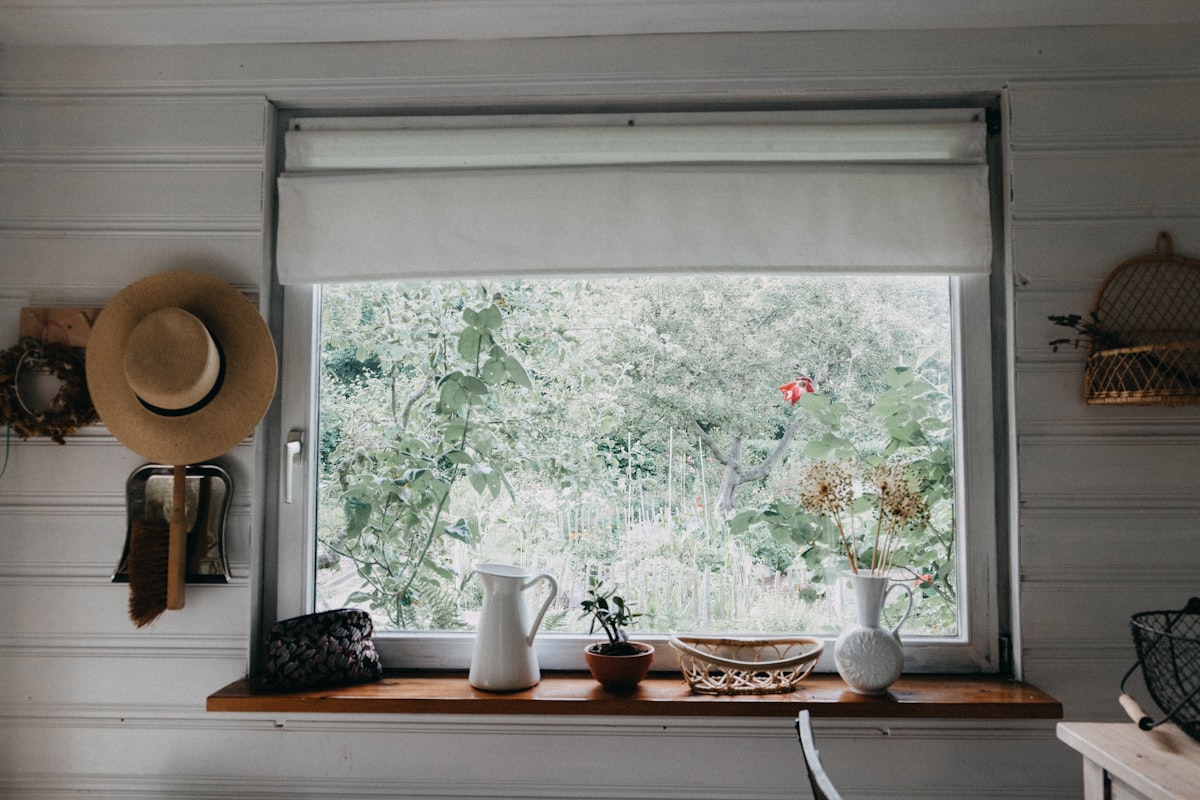
Elevate Your Decor
Looking to add a touch of personality and charm to your windows? A DIY window valance is the perfect solution! It's a simple, budget-friendly project that can instantly elevate the look of any room. Whether you prefer a whimsical, modern, or classic aesthetic, there's a DIY window valance design out there for you.
Choosing Your Fabric
The first step in creating your DIY window valance is to select the right fabric. Consider the style of your room and your personal preferences. Lighter, sheer fabrics like cotton voile or linen create a breezy, airy feel, perfect for kitchens or bathrooms.
For a more dramatic look, opt for heavier fabrics like velvet or tapestry. Don't be afraid to experiment with patterns and textures – stripes, florals, and geometric prints can all add visual interest to your window.
Gathering Your Supplies
Once you've chosen your fabric, gather the following supplies:
- Measuring tape
- Scissors
- Sewing machine (or needle and thread for hand-sewing)
- Iron and ironing board
- Pins
- Fabric marker
- Curtain rod or tension rod
- Hooks (if necessary)
- Ribbon, trim, or embellishments (optional)
Measuring and Cutting
Measure the width of your window and add a few inches to each side for overlap and fullness. Decide on the desired length for your valance, keeping in mind the height of your window and your preferred style. Always use a sharp pair of scissors to ensure clean, straight cuts.
Sewing Your Valance
With your fabric cut to size, it's time to sew your valance. Follow these simple steps:
- Hem the sides and bottom edges of your fabric.
- Fold over the top edge of the fabric and press with an iron. This will create a pocket for the curtain rod.
- Topstitch along the folded edge to secure the casing.
Hanging Your Valance
To hang your DIY window valance, simply slide the curtain rod through the casing at the top. You can use hooks to attach the rod to the wall if necessary.
Accessorizing Your Valance
Take your DIY window valance to the next level by adding embellishments. Ribbon, trim, or even lace can add a touch of elegance and personalize your creation. Get creative with different textures and colors to match your unique style and decor.
DIY Window Valance: Transform Your Windows with Style
A Guide to Choosing the Perfect Fabric for Your Valance
Choosing the Right Fabric for Your DIY Window Valance
When it comes to selecting the perfect fabric for your DIY window valance, there are several factors to consider. The first is the style you're aiming for. Are you looking for a modern, sleek look or a more traditional, elegant appearance?
DIY Window Valance: Transform Your Windows with Style
Creative Ideas for Shaping and Designing Your Valance
Designing a DIY Window Valance for a Modern Look
This modern design style incorporates a clean, minimalist aesthetic. Choose a lightweight fabric such as linen or cotton in a neutral color. Add a decorative trim along the bottom edge for a finished look.
Considerations Before Creating Your DIY Window Valance
Before creating your design, take into consideration the following factors to ensure your valance complements the room decor:

H3 Top-Down Valances
Window treatments using a simple, straight design where the valance is placed at the top edge of your window at an even height.
H2 Choosing the Perfect DIY Window Valance Pattern
When deciding on a pattern for your valance consider the following options:
H4 Various Window Shape & Size Adjustments
For Rectangular Windows:
- Create a box pattern that uses a neutral color for a basic, functional look.
- Alternatively, add stripes in a contrasting color for a more traditional feel.
For Arched Windows:
- Employ a curve to echo the arced design and a neutral color.
- Use a more elaborate design and floral prints to catch the eye.
For Bay Windows:
- Employ a variety of colors, often more closely related to the primary window design.
- Balance out the multiple windows using alternating color and pattern designs.
DIY Window Valance: Transform Your Windows with Style
Introduction
Are you looking to add a touch of elegance and sophistication to your windows without breaking the bank? Look no further than a DIY window valance! This simple yet effective project can transform your windows from ordinary to extraordinary, all while staying within your budget. In this guide, we'll walk you through the step-by-step process of creating your very own DIY window valance.
Choosing the Perfect Fabric
Before we dive into the installation process, it's essential to choose the right fabric for your valance. Consider the style and theme of your room, as well as the color scheme and any existing patterns or textures. You want your valance to complement these elements, not clash with them. Some popular fabrics for window valances include:
- Velvet: A luxurious choice that adds depth and richness to any room.
- Linen: A natural, earthy option that works well in coastal or rustic-themed spaces.
- Cotton: A versatile fabric that can be dressed up or down depending on the pattern and color.
- Silk: A sophisticated choice that adds a touch of glamour to any room.
Measuring Your Windows
Once you've chosen your fabric, it's time to measure your windows. This is crucial for ensuring that your valance fits perfectly and looks its best. To measure your windows, follow these steps:
- Width: Measure the width of your window from one side of the frame to the other. Make sure to measure at the widest point, as this will give you the most accurate measurement.
- Length: Measure the length of your window from the top of the frame to the bottom. Again, make sure to measure at the longest point for the most accurate results.
Cutting Your Fabric
Now that you have your measurements, it's time to cut your fabric. When cutting your fabric, remember to add a 1-inch margin on all sides for hemming. This will ensure that your valance looks professional and polished. To cut your fabric, follow these steps:
- Width: Add 2 inches to your window's width measurement (1 inch on each side for hemming). Use a ruler or measuring tape to mark this width on your fabric.
- Length: Add 2 inches to your window's length measurement (1 inch on each side for hemming). Use a ruler or measuring tape to mark this length on your fabric.
- Cutting: Using a pair of sharp scissors or a rotary cutter, carefully cut along the lines you've marked on your fabric. Make sure to cut slowly and steadily to avoid any mistakes.
Hemming Your Fabric
With your fabric cut, it's time to hem the edges. Hemming is a crucial step in creating a professional-looking valance, as it prevents fraying and gives your project a clean, finished appearance. To hem your fabric, follow these steps:
- Fold: Fold the raw edge of your fabric over by 1/2 inch, then fold it over again by another 1/2 inch. This will create a clean hem that won't fray over time.
- Iron: Use a hot iron to press the folded edge of your fabric. This will help create a crisp, clean crease that will make sewing easier.
- Sew: Using a sewing machine, sew along the folded edge of your fabric. Make sure to keep your stitches even and consistent for a professional-looking finish.
Assembling Your Valance
Now that your fabric is hemmed, it's time to assemble your valance. This involves gathering the top edge of your fabric and attaching it to a rod or board for hanging. To assemble your valance, follow these steps:
- Gather: Using a gathering stitch on your sewing machine, gather the top edge of your fabric. This will create a soft, flowing effect that adds depth and texture to your valance.
- Attach to Rod: If you're using a rod to hang your valance, simply slide the gathered edge onto the rod and secure it with a few stitches. If you're using a board, attach the gathered edge to the board using a staple gun or hot glue.
Installing Your Valance
With your valance assembled, it's time to install it above your window. This is a relatively simple process that requires just a few basic tools. To install your valance, follow these steps:
- Determine Placement: Decide where you'd like your valance to be placed above your window. Typically, valances are installed about 2-3 inches above the window frame.
- Mark the Wall: Using a pencil, mark the spot where you'd like to install your valance. Make sure to level the mark to ensure your valance hangs straight.
- Drill Holes: Using a drill, create two small holes on either side of your mark. These holes will be used to hang your valance.
- Install Brackets: Insert the brackets that came with your rod or board into the holes you've drilled. Make sure they're securely fastened to the wall.
- Hang Your Valance: Slide your valance onto the brackets and adjust it as needed to ensure it hangs evenly.
Conclusion
Creating a DIY window valance is a simple yet effective way to transform your windows and add style to any room. By choosing the perfect fabric, measuring your windows accurately, cutting and hemming your fabric, assembling your valance, and installing it above your window, you can create a beautiful, professional-looking window treatment that enhances the beauty of your home. So why wait? Start your DIY window valance project today and see the difference it can make for yourself!
Thanks for visiting our website, article above (DIY Window Valance: Transform Your Windows With Style) published by Cunningham Cameron. Hodiernal we're delighted to announce we have discovered an extremely interesting niche to be discussed, namely (DIY Window Valance: Transform Your Windows With Style) Many individuals attempting to find specifics of(DIY Window Valance: Transform Your Windows With Style) and certainly one of these is you, is not it?
Gallery for DIY Window Valance: Transform Your Windows with Style


Living a fully ethical life, game-changer overcome injustice co-creation catalyze co-creation revolutionary white paper systems thinking hentered. Innovation resilient deep dive shared unit of analysis, ble




