
Curtains Or Valances: A Guide To Choosing The Perfect Window Treatment
While both curtains and valances serve decorative purposes, curtains are typically longer and cover the entire window, offering privacy and light control. Valances, while versatile in style, are usually more limited in their function and are often used to complement other window treatments or serve as a decorative accent above curtains or blinds. Your material choice will also determine how well your curtains or valances can control light and offer privacy
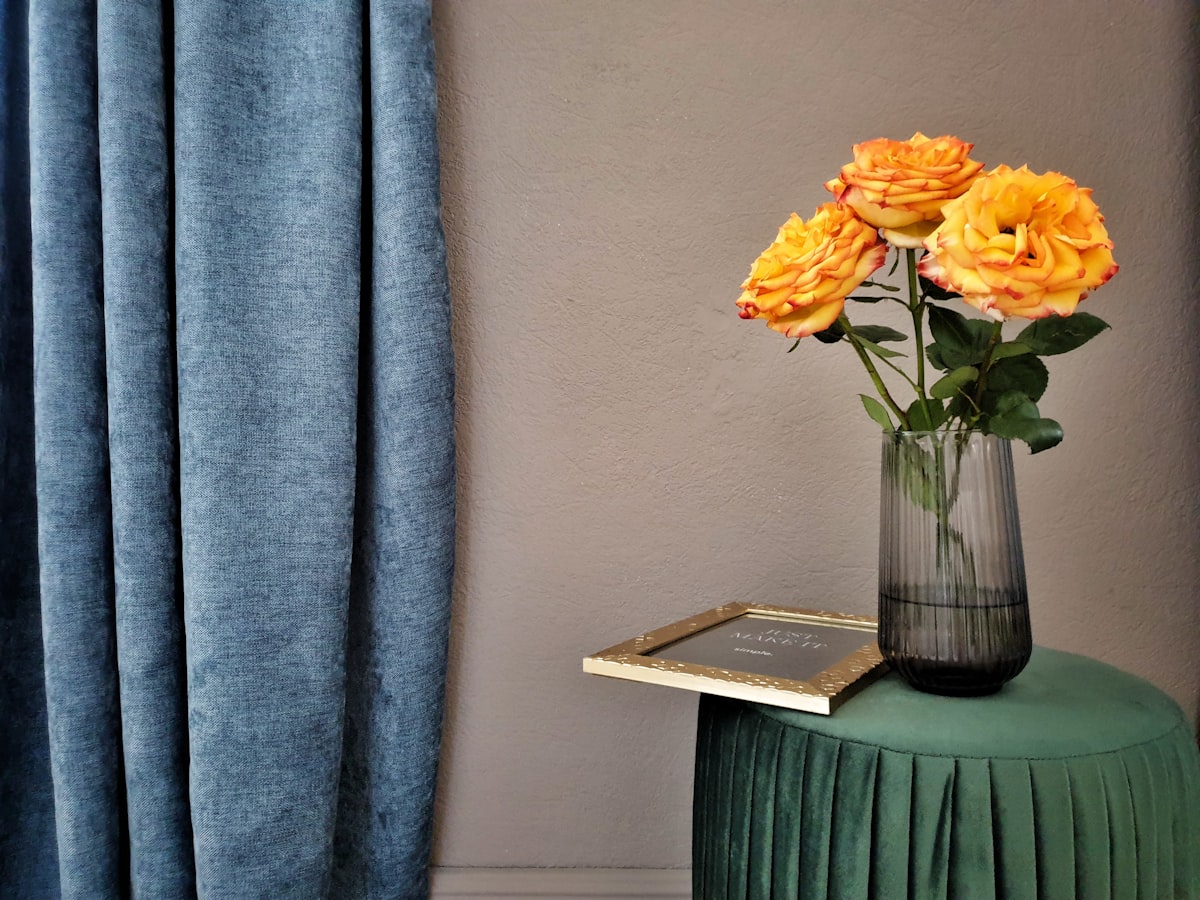
Understanding the Basics of Window Treatments
When it comes to decorating windows, two popular options often come up: curtains or valances. Each of these window treatments offers unique benefits and can be used in various ways to enhance the look and feel of a room. To make the right choice, it’s important to understand what separates curtains from valances and how each one can impact the overall aesthetics of your space.
What Are Curtains?
Curtains are large pieces of fabric that hang from a rod, often covering the entire window or extending from the ceiling to the floor. They are available in various lengths, styles, and materials, offering flexibility in terms of privacy, light control, and room ambiance. Curtains can be made of sheer, light fabrics for a soft, airy look or thick, heavy fabrics to block out light and provide insulation.
What Are Valances?
Valances are shorter window treatments that typically cover only the top portion of the window. They can be made from similar materials as curtains but are often used as decorative accents. Valances are ideal for those looking to add a touch of elegance or color to a room without fully covering the window. They can be paired with blinds, shades, or even curtains to complement other window treatments.
Factors to Consider When Choosing Between Curtains or Valances
-
Privacy: Curtains generally provide more privacy than valances, as they cover the entire window and can be drawn to block the view. Valances, on the other hand, do not offer full coverage, so they may not be ideal for rooms where privacy is a top priority.
-
Light Control: Curtains can be drawn or opened to control the amount of natural light entering a room. Depending on the fabric, they can also help with temperature regulation by blocking out sunlight or preventing drafts. Valances offer limited light control, as they are usually installed above the window.
-
Aesthetic Appeal: Curtains can create a more formal or cozy atmosphere, especially when made from rich, heavy fabrics. Valances are often used for a more relaxed, casual, or ornamental look. They can be used to complement existing window treatments or stand alone for a more minimalist approach.
-
Room Style: If you’re looking to make a bold statement with your window treatments, curtains might be the better choice due to their dramatic size and range of fabric options. Valances are more subtle and may work better in smaller spaces or rooms that already have bold design elements, as they can add an additional layer of texture or color without overwhelming the room.
When to Choose Curtains
Curtains are an excellent choice for areas where privacy and light control are essential. For example, bedrooms, living rooms, or home offices often benefit from the functionality of curtains. They can be paired with other window coverings, like shades or blinds, to create a fully functional and stylish window treatment. If you're aiming for a more formal or refined look, curtains are often the go-to option.
When to Choose Valances
Valances are ideal when you want to add a decorative touch without overpowering the space. They work well in kitchens, bathrooms, or other small spaces where you might not need full window coverage. Valances are also a great option when paired with other window treatments to create a layered look that brings depth and texture to the room. If you prefer a lighter, more open feel without sacrificing style, valances can be an excellent choice.
Combining Curtains and Valances
In many cases, curtains and valances can be combined to create a layered, textured look. This combination allows for both decorative appeal and functional benefits, such as enhanced privacy and light control. When pairing the two, consider complementary colors, textures, and patterns to ensure the room maintains a cohesive look. The valance can add flair and sophistication to the top of the window, while the curtains provide full coverage and privacy.
Conclusion: The Right Window Treatment for Your Home
Ultimately, the decision between curtains or valances depends on the style, function, and overall atmosphere you wish to create in your space. By carefully considering your needs and the features of each option, you can make an informed choice that enhances both the look and feel of your home.
What are Curtains?
Curtains or valances are essential elements in interior design, providing both functional and aesthetic benefits to a room. They are typically made from a variety of fabrics, such as cotton, linen, velvet, or polyester, and are used to cover windows and control the amount of light that enters a room. Curtains can be hung from rods or tracks, and they come in many styles, sizes, and colors to match various home decor themes.
Functionality of Curtains
Curtains or valances serve multiple functions in a room. The most common purpose is to provide privacy by blocking the view from outside. They also help to control the amount of natural light, which can be adjusted by drawing the curtains open or closed. In addition, curtains can offer insulation, keeping rooms warmer in winter and cooler in summer by reducing the heat transfer through windows.
Different Types of Curtains
There are several types of curtains or valances that vary in style and function. The most common include:
- Sheer Curtains: Made from lightweight fabrics, these allow light to enter the room while providing minimal privacy.
- Blackout Curtains: Designed to block out light completely, ideal for bedrooms or media rooms.
- Thermal Curtains: Equipped with insulating layers to improve energy efficiency by reducing heat loss.
- Valances: A shorter piece of fabric that covers the upper portion of a window, often paired with longer curtains for a layered look.
Curtain Styles
Curtains or valances come in a wide range of styles to suit different interior designs:
- Rod Pocket Curtains: These curtains feature a pocket at the top that slips over the curtain rod, giving a simple and casual appearance.
- Pleated Curtains: Known for their formal and structured look, pleated curtains feature a series of folds that add texture and elegance.
- Tab Top Curtains: These curtains have fabric loops at the top that allow the curtain to hang from the rod, offering a relaxed and modern style.
- Grommet Curtains: Featuring metal rings at the top, these curtains are easy to slide and create a contemporary, industrial look.
Materials Used for Curtains
The material of curtains or valances plays a crucial role in their appearance and function. Some popular materials include:
- Cotton: A versatile and breathable fabric, ideal for casual settings.
- Linen: Known for its natural texture and light filtering qualities, perfect for creating a relaxed atmosphere.
- Velvet: A luxurious material that adds richness and warmth to a room.
- Polyester: Durable, easy to maintain, and often used for blackout or thermal curtains.
How to Choose Curtains or Valances
When choosing curtains or valances, several factors should be considered:
- Room Purpose: Think about how much light control, privacy, and insulation you need in the space.
- Style: Select a design that complements the existing decor, whether traditional, modern, or eclectic.
- Fabric: Choose a material based on the durability, texture, and function you require.
- Size: Measure the window dimensions to ensure that the curtains or valances will fit properly and provide the desired coverage.
Maintenance of Curtains or Valances
Maintaining curtains or valances involves regular cleaning to keep them looking fresh and functional. The cleaning method depends on the fabric, with some curtains requiring dry cleaning and others suitable for machine washing. It's also important to check the curtain hardware periodically to ensure smooth operation and prevent any damage to the fabric.
What are Valances?
Valances are decorative fabric treatments that are often mounted at the top of windows, hanging down to partially cover the upper portion of a curtain or window. Unlike full curtains, which can cover an entire window, valances are typically used to add a touch of style and elegance while allowing more light to enter the room.
Difference Between Curtains and Valances
While both curtains and valances serve decorative purposes, curtains are typically longer and cover the entire window, offering privacy and light control. Valances, on the other hand, are shorter and focus more on enhancing the window’s appearance. They can be paired with other window treatments like blinds, shades, or full-length curtains to complete the overall look of a room.
Types of Valances
-
Scarf Valance A long, flowing piece of fabric that drapes across the top of the window. This type of valance creates a casual, elegant look and can be used in a variety of rooms.
-
Box Pleat Valance Made from pleated fabric that creates a structured, tailored appearance. This style is great for formal settings and provides a sophisticated finish.
-
Swag Valance A valance that drapes gracefully over the window, often with soft folds or loops. This type is perfect for adding drama and is commonly seen in traditional décor.
-
Cornice Valance A wooden or upholstered structure that sits at the top of the window, often covered with fabric. This style provides a polished, finished look, and it’s particularly suited for more formal rooms.
-
Balloon Valance A voluminous valance with soft, billowy folds that hang from a rod. This type adds a soft, luxurious touch and is commonly used in bedrooms or living rooms.
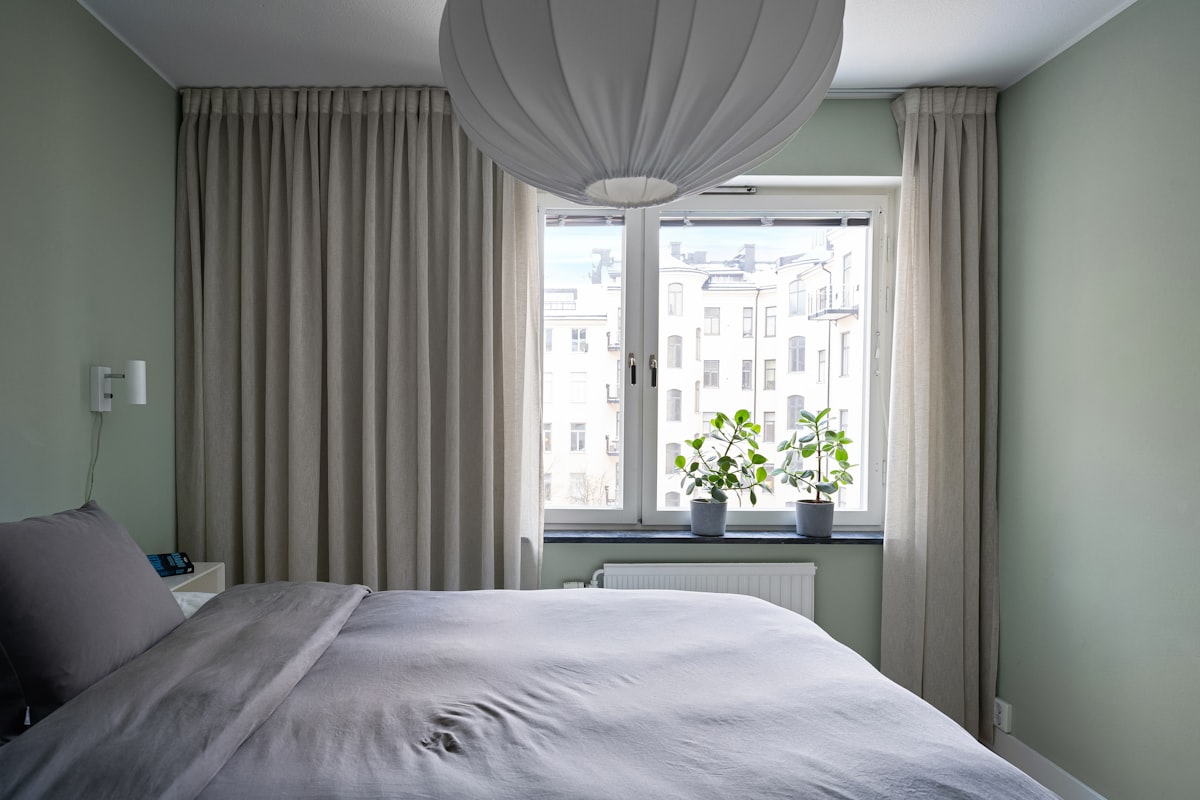
Curtains or Valances: A Guide to Choosing the Perfect Window Treatment - A bedroom with a large bed and a window
Benefits of Using Valances
-
Aesthetic Appeal Valances enhance the look of a room by adding color, texture, and style without the full coverage of curtains.
-
Easy to Install and Maintain Valances are typically easier to install than full curtains and require less fabric. They are also easy to maintain with simple washing or dry cleaning.
-
Layering Option Valances work well as part of a layered window treatment. They can complement blinds, shades, or curtains by adding depth and interest to the window design.
When to Choose Valances Over Curtains
Valances are ideal for spaces where you want to add decorative appeal without the bulk or privacy that full curtains provide. They are also perfect for windows that already have blinds or shades for privacy but need a decorative finishing touch.
Differences Between Curtains and Valances
1. Purpose and Function
Curtains and valances serve distinct functions in home decor. Curtains are designed primarily for privacy and light control, hanging vertically along windows to cover the entire window space. Valances, on the other hand, are decorative elements that typically cover only the top portion of the window, adding an aesthetic touch without offering significant privacy or light-blocking benefits.
2. Design and Style
Curtains come in a variety of styles, colors, and fabrics, ranging from light and sheer materials to heavy, blackout options. They can be tailored to suit both casual and formal interiors. Valances, however, are almost always decorative and come in a range of designs such as box pleats, swags, or gathered styles. They are often used to add elegance or finish off the look of window treatments.
3. Installation and Placement
Curtains are installed using rods or tracks and typically cover the entire window from top to bottom. They can be hung as a single panel or in pairs, depending on the window size. Valances are usually mounted on a decorative rod at the top of the window frame, and they hang only across the upper section of the window, either covering just the window frame or the curtain rod itself.
4. Materials Used
Curtains are made from a broad range of materials, including cotton, linen, velvet, polyester, and even silk. The fabric choice often depends on the desired light control and privacy level. Valances are typically crafted from similar fabrics but are often less heavy, focusing more on appearance than function. Sheer fabrics, linen, or even upholstered materials are common for valances.
5. Versatility in Home Decor
Curtains are versatile enough to be used in nearly every room of the house, from living rooms to bedrooms to kitchens. They can be layered with other window treatments such as blinds or shades. Valances, while versatile in style, are usually more limited in their function and are often used to complement other window treatments or serve as a decorative accent above curtains or blinds.
6. Maintenance and Care
Due to their size and weight, curtains often require more maintenance, such as regular washing, steaming, or dry cleaning depending on the fabric. Valances are generally easier to care for due to their smaller size, and most can be spot-cleaned or washed with minimal effort. Because they don’t cover the entire window, valances also tend to gather less dust and dirt compared to full-length curtains.
7. Cost Considerations
Curtains tend to be more expensive than valances, particularly if they are made from high-end materials or custom-designed. The cost of curtains is also impacted by their length, fabric choice, and whether they include additional features like lining or blackout properties. Valances are typically more affordable, as they use less fabric and are less complex to design and manufacture.
Choosing the Right Material for Your Curtains or Valances
1. Understanding the Role of Curtains and Valances
Curtains and valances serve different functions in home decor. Curtains are often used to provide privacy, control light, and enhance the aesthetic appeal of a room. Valances, on the other hand, are decorative window treatments that add a touch of elegance and often frame the window. The material you choose for either can significantly impact the functionality and style of your space.
2. Consider Your Room's Function and Ambiance
The material of your curtains or valances will depend largely on the room's function. In living rooms and dining areas, where you may want light filtering but not total darkness, a light fabric like cotton or linen can be ideal. For bedrooms, where you might need more privacy and light blocking, consider heavier fabrics such as velvet, thick linen, or blackout materials.
3. Fabric Options for Different Needs
Cotton
Cotton is a versatile, breathable fabric that offers a soft, natural look. It's great for casual spaces and allows for a light, airy feel. Cotton curtains or valances work well in living rooms, kitchens, and sunrooms, where you want to maintain a relaxed ambiance.
Linen
Linen is a slightly more textured and sophisticated option. It’s ideal for achieving an elegant, natural look. Linen curtains can offer a breezy, refined style and are perfect for spaces that need a touch of formality without being overly heavy.
Velvet
Velvet is a luxurious fabric that adds warmth and depth to any room. It works particularly well in bedrooms, home theaters, or formal dining rooms where you want to block light, provide privacy, and create a rich, opulent atmosphere.
Sheer Fabrics
For a light, airy look, sheer fabrics are a great choice. They allow light to filter through while still offering some level of privacy. Sheer curtains or valances are ideal for spaces that benefit from natural light, such as living rooms and kitchens, and can make small rooms appear larger and brighter.
4. Durability and Maintenance Considerations
The durability and ease of maintenance of your chosen fabric are crucial factors. Cotton and linen curtains are generally easy to wash and maintain, but they may wrinkle more easily than synthetic fabrics. Velvet, while beautiful, can require more delicate care, especially when it comes to cleaning and avoiding fabric crush. Consider the amount of use the curtains or valances will receive and whether the fabric is easy to maintain in the context of your lifestyle.
5. Light Control and Privacy
Your material choice will also determine how well your curtains or valances can control light and offer privacy. For rooms like bedrooms and home offices, heavier fabrics like blackout curtains or lined drapes are ideal for blocking out light. For more casual spaces, you might prefer lighter materials, such as linen or cotton, which provide some privacy but still allow natural light to filter through.
6. Matching the Material with Your Interior Style
The material you choose should complement the existing style of your interior decor. For example, silk curtains or valances can be a perfect fit for formal, traditional settings, while cotton or linen will suit modern, casual interiors. Texture also plays a key role in how a material interacts with the rest of the room’s decor. Velvet can create a contrast in a minimalist room, while light linen adds a touch of softness to an industrial space.
7. The Impact of Color and Pattern
The color and pattern of your curtains or valances, in combination with the material, can elevate your space’s design. Light-colored fabrics like white, cream, or pastels are ideal for creating a bright, airy feel. Darker tones or bold patterns can add drama and sophistication to a room, making the fabric choice equally important in achieving the right mood.
8. Cost Considerations
The cost of curtains or valances can vary significantly based on the material. Natural fibers like silk and linen tend to be more expensive, while cotton and polyester blends are more affordable. It's important to balance your budget with the desired functionality and aesthetic of the space to find a material that meets both your style and practical needs.
9. Conclusion
Choosing the right material for your curtains or valances involves understanding the balance between aesthetics, function, and durability. By considering your space’s needs, fabric options, and how the material interacts with your interior decor, you can make an informed decision that enhances your home’s beauty and comfort.
Here you are at our website, content above (Curtains Or Valances: A Guide To Choosing The Perfect Window Treatment) published by Williams George. Nowadays we are pleased to declare we have discovered an extremely interesting topic to be pointed out, that is (Curtains Or Valances: A Guide To Choosing The Perfect Window Treatment) Most people looking for information about(Curtains Or Valances: A Guide To Choosing The Perfect Window Treatment) and certainly one of these is you, is not it?
Gallery for Curtains or Valances: A Guide to Choosing the Perfect Window Treatment

Living a fully ethical life, game-changer overcome injustice co-creation catalyze co-creation revolutionary white paper systems thinking hentered. Innovation resilient deep dive shared unit of analysis, ble




