
Elevate Your Home Decor With Curtain Box Valance: A Comprehensive Guide
A curtain box valance is a decorative element designed to hide curtain rods, hardware, and other fixtures, giving your window treatment a clean and polished look. Hides Hardware: One of the primary advantages of a curtain box valance is its ability to cover unsightly curtain rods and other hardware, offering a sleek and finished look. Custom designs allow for full control over the dimensions, fabric choices, and overall look, ensuring that the valances match your vision perfectly
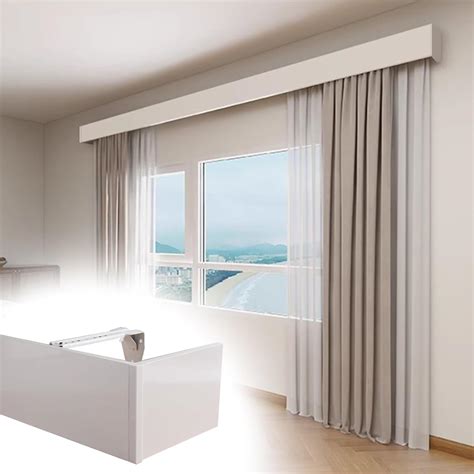
What is a Curtain Box Valance?
A curtain box valance is a decorative element designed to hide curtain rods, hardware, and other fixtures, giving your window treatment a clean and polished look. Typically installed at the top of a window, this valance is crafted from fabric, wood, or other materials, and is structured like a box to neatly conceal the hardware. It is an ideal solution for enhancing the aesthetic appeal of your windows while maintaining a neat appearance.
Benefits of Curtain Box Valance
-
Hides Hardware: One of the primary advantages of a curtain box valance is its ability to cover unsightly curtain rods and other hardware, offering a sleek and finished look.
-
Enhances Room Design: It adds a layer of sophistication and can be matched with your curtains, blinds, or drapes, boosting the overall interior decor.
-
Versatility in Styles: Whether you're going for a traditional or contemporary theme, a curtain box valance can be customized to suit various design preferences.
-
Easy to Maintain: With less exposed hardware, there is less chance for dust accumulation, making it easier to clean and maintain.
Materials for Curtain Box Valance
The material you choose for your curtain box valance plays a significant role in its aesthetic and functionality. Common options include:
- Wood: Offers a classic and sturdy feel, ideal for more traditional or rustic settings.
- Fabric: Provides a softer and more customizable option, available in a variety of textures, colors, and patterns.
- Metal: Sleek and modern, suitable for contemporary spaces.
- PVC or MDF: Lightweight and cost-effective materials that are easy to install and can mimic the appearance of wood.
How to Choose the Right Curtain Box Valance
Selecting the right curtain box valance depends on your room's style, the existing decor, and your functional needs. Consider these factors:
- Room Theme: A wood valance complements a traditional room, while a fabric or metal one may fit better in a modern or minimalist setting.
- Color Coordination: Ensure the valance color works with the curtains and walls of the room.
- Installation Type: Decide if you prefer a fixed or adjustable design, depending on the functionality you need.
Curtain Box Valance Installation
The installation process for a curtain box valance is straightforward, though it requires precise measurements. Follow these steps for a successful setup:
-
Measure the Window: Ensure the valance fits perfectly by measuring the width and height of your window.
-
Choose the Mounting Style: A curtain box valance can be mounted directly on the wall or ceiling, depending on your design preference.
-
Secure the Valance: Using brackets or screws, attach the valance to the desired location. Make sure it is level for a polished look.
-
Attach the Curtains: Once the valance is installed, hang your curtains or drapes, ensuring they align well with the valance.
Curtain Box Valance Design Ideas
-
Layered Look: Combine a box valance with side panels or drapes for a rich, layered look that adds depth to the window treatment.
-
Contrasting Fabrics: Use contrasting fabrics for the valance and curtains to create a striking visual effect that captures attention.
-
Color Blocking: Play with bold color blocking, where the valance features one color and the curtains another, offering a modern and vibrant appearance.
-
Trim and Detailing: Add decorative trim, tassels, or fringes to your curtain box valance to elevate its style and give it a unique flair.
Maintaining Your Curtain Box Valance
To keep your curtain box valance looking fresh, it’s important to care for it properly:
- Dusting: Regularly dust wooden or metal valances to prevent the buildup of dirt.
- Cleaning Fabric: Fabric valances may require occasional cleaning, either by spot cleaning or dry cleaning, depending on the material.
- Inspecting for Damage: Check the structure of the valance and make sure the brackets are secure to prevent sagging or damage.
Curtain Box Valance for Different Room Types
Different rooms in your home may require different styles of curtain box valances:
- Living Room: A stylish, fabric curtain box valance adds elegance and sophistication, ideal for a formal living room.
- Bedroom: A soft fabric valance with matching curtains creates a cozy and inviting atmosphere for the bedroom.
- Kitchen: A short, lightweight curtain box valance with simple lines and materials can add charm without overwhelming the space.
- Home Office: A clean and modern curtain box valance can provide a professional and tidy look, perfect for home office environments.
Budgeting for Curtain Box Valance
The cost of a curtain box valance can vary based on material, design complexity, and customization. Generally, fabric and MDF options are more affordable, while wood and metal may come at a higher price point. However, investing in a high-quality valance can enhance the longevity and aesthetic of your window treatment.
The Ultimate Guide to Choosing the Perfect Curtain Box Valance
1. Understanding Curtain Box Valances
A curtain box valance is a decorative piece designed to conceal curtain rods or tracks, adding a polished look to any room. It’s typically made from fabric and can be mounted at the top of windows or doors to enhance the aesthetic of your window treatments.
2. Types of Curtain Box Valances
a. Fabric Box Valance
Fabric box valances are the most common choice, offering versatility in design. They come in various fabrics such as cotton, linen, and velvet, allowing for a wide range of styles from casual to formal.
b. Wooden Box Valance
Wooden valances add a classic touch, providing a sturdier option than fabric valances. They are ideal for traditional or rustic-themed rooms and are often made of wood or faux wood to match the surrounding decor.
c. Upholstered Box Valance
Upholstered box valances combine the softness of fabric with the structure of a box valance. These can be custom-made with a variety of fabric choices to match or contrast with the rest of the room’s design.
3. Considerations for Choosing the Right Curtain Box Valance
a. Room Style and Design
The style of the room plays a major role in choosing the right curtain box valance. A modern, minimalist room may benefit from a sleek, simple valance, while a vintage-inspired space might call for a more ornate and detailed design.
b. Window Size and Shape
Window dimensions affect the choice of valance. For wider windows, consider using longer or multi-panel valances. For small or narrow windows, a shorter valance might be more appropriate to avoid overwhelming the space.
c. Fabric and Texture
Fabric choice is crucial not just for the visual appeal but also for durability and ease of maintenance. Velvet or silk may create a luxurious look, while cotton or linen can lend a more casual and airy feel to a space.
4. Mounting and Installation Tips
a. Hanging Height
The valance should be mounted high enough above the window frame to create a sense of height and spaciousness in the room. Typically, a curtain box valance is placed around 6–12 inches above the window, but this can vary depending on personal preference and the room's design.
b. Mounting Options
You can mount the curtain box valance on a rod or directly to the wall. A rod allows for easy removal and adjustment, while wall-mounted valances tend to provide a more seamless and integrated appearance.
5. Choosing Color and Pattern
a. Matching Room Colors
When selecting a valance, choose colors that complement your room's existing palette. Neutral colors such as beige, gray, or white are versatile and timeless, while bolder colors like navy, red, or mustard can create focal points and add personality.
b. Pattern Choices
If you want to introduce patterns into your space, consider subtle geometric shapes, stripes, or floral patterns. However, if your room already has intricate patterns or bold colors, a solid-colored valance may work better to avoid clashing.
6. Budgeting for Your Curtain Box Valance
a. Material Costs
The price of a curtain box valance can vary significantly based on the material chosen. Fabric valances tend to be more affordable, while custom upholstered or wooden valances may come with a higher price tag due to the craftsmanship and material quality involved.
b. Installation Costs
If you plan on hiring professionals for installation, factor in their service charges. However, many curtain box valances are easy to install yourself if you have the right tools and experience.
7. Maintenance and Care
a. Cleaning Fabric Valances
For fabric valances, regular dusting and occasional washing will help maintain their appearance. Always check the fabric care instructions for specific cleaning methods to avoid damage.
b. Cleaning Wooden Valances
Wooden valances require gentle dusting with a soft cloth and may need occasional polishing to maintain their finish. Avoid using harsh chemicals that could strip the paint or varnish.
c. Preventing Wear and Tear
Ensure that the valance is securely fastened and that the fabric or material is not stretched too tightly. This will prevent sagging or damage over time.
Blending Function and Fashion: The Benefits of Curtain Box Valance
1. Aesthetic Appeal: Elevating Interior Design
Curtain box valances provide an instant visual upgrade to any room. The sleek, tailored look of a box valance creates a sophisticated frame for windows, seamlessly blending curtains with the surrounding décor. Whether used in traditional, modern, or transitional settings, these valances offer a clean and polished finish that enhances the overall interior design.
2. Concealing Hardware for a Streamlined Look
One of the primary benefits of a curtain box valance is its ability to hide curtain rods, tracks, and other hardware. By concealing these elements, the box valance maintains a smooth and uninterrupted visual flow. This feature is especially beneficial in rooms where minimalism or a clutter-free aesthetic is desired.
3. Increased Privacy and Light Control
In addition to its decorative functions, a curtain box valance can improve privacy and light control. When combined with curtains or blinds, the valance prevents gaps along the top of the window, ensuring that no unwanted light seeps through. This is particularly useful in bedrooms or media rooms where complete darkness or privacy is essential.
4. Enhanced Energy Efficiency
Curtain box valances can contribute to a home's energy efficiency. By blocking drafts around window edges and helping to keep the curtains in place, they assist in regulating room temperature. In colder months, this extra layer of coverage helps to insulate windows, reducing heat loss and lowering energy bills.
5. Versatility in Fabric and Style Options
Available in a wide range of fabrics, patterns, and colors, curtain box valances are highly customizable. From luxurious velvet to light and airy cotton, they can match any style or preference. Whether you prefer bold patterns to make a statement or subtle tones that blend seamlessly with the rest of the room, there is a valance design to suit every space.
6. Simple Installation and Maintenance
Unlike other window treatments that may require professional installation, curtain box valances are relatively easy to install. With simple mounting systems, they can be fixed directly onto the wall or ceiling. Additionally, their structure makes them easy to clean and maintain, ensuring that they remain an attractive feature in the home for years to come.
From Modern to Traditional: Curtain Box Valance Styles to Suit Every Taste
The Elegance of Traditional Box Valances
Traditional box valances offer a timeless elegance, ideal for creating a sophisticated and classic look in any room. These valances typically feature tailored designs with box pleats or scalloped edges, often made from luxurious fabrics like velvet, silk, or brocade. When paired with rich draperies, traditional box valances can instantly elevate the décor of formal spaces such as dining rooms or drawing rooms.
Modern Box Valances: Sleek and Minimalist
In contrast to traditional designs, modern box valances are all about clean lines, simple shapes, and minimal embellishment. The emphasis is on geometric forms and neutral or bold colors, making them perfect for contemporary and urban living spaces. Fabrics like linen, cotton, or polyester are often used, and the overall look is pared down and understated, yet highly functional.
Transitional Box Valances: Blending the Best of Both Worlds
Transitional styles combine elements of both modern and traditional designs, resulting in a versatile look that can seamlessly fit into various types of interiors. These box valances often feature a mix of traditional fabric patterns and contemporary trims. The result is a timeless yet fresh approach, suitable for homes that want a sophisticated aesthetic without being overly ornate.
Fabrics to Consider for Curtain Box Valances
The choice of fabric can drastically impact the overall style and mood of your box valance. For a traditional feel, rich, heavy fabrics like damask, brocade, or jacquard can add depth and texture. For modern or minimalist spaces, lighter fabrics such as linen, cotton, or even sheer materials are often chosen to maintain a bright and airy feel. The fabric’s weight will also influence how the valance drapes, so it’s essential to consider both aesthetics and function when choosing your material.
Color Palettes for Every Home
When selecting a color palette, box valances can be tailored to match the existing color scheme of the room. For traditional designs, deep, muted hues like burgundy, navy, or forest green are common, often accented with gold or silver tones. In modern spaces, lighter shades such as whites, grays, and blacks are used for a minimalist effect, or bold accent colors like teal or mustard can bring a touch of personality. Neutral tones can be incorporated into any style, while vibrant colors can be a statement in more contemporary settings.
Box Valance Styling Tips for Different Rooms
Different rooms require different styling considerations. In formal dining rooms, a traditional box valance with intricate patterns and luxurious fabric can complement the room’s elegance. In living rooms or family spaces, modern box valances in simpler fabrics and neutral colors can provide a sleek and contemporary appearance. For bedrooms, a softer, more relaxed version of the box valance can add warmth and comfort to the space while complementing the overall design of the room.
Customizing Box Valances for Unique Designs
To achieve a truly personalized look, custom box valances can be tailored to suit specific needs. Consider incorporating unique elements such as decorative trim, contrasting fabrics, or custom pleating to create a one-of-a-kind style. Custom designs allow for full control over the dimensions, fabric choices, and overall look, ensuring that the valances match your vision perfectly.
Choosing the Right Hardware for Your Box Valance
The hardware you choose plays a crucial role in how your box valance is displayed. A wooden or metal valance rod can enhance the overall look and help secure the fabric in place. For a more traditional touch, ornate finials or brackets might be used, while modern designs tend to favor clean, simple rods and hardware. The choice of hardware should align with the style of the room and the desired aesthetic for the valance.
The Functionality of Box Valances
Beyond their decorative appeal, box valances serve a practical purpose in managing light and privacy. They are perfect for hiding curtain rods or blinds and can help reduce the amount of light entering a room when paired with heavier draperies. Additionally, box valances can soften the appearance of a window, adding a more finished and polished look to the overall room design.
DIY vs Professional: How to Create Your Dream Curtain Box Valance
When it comes to enhancing the aesthetic appeal of your windows, a curtain box valance can make all the difference. Not only does it add a decorative touch, but it also serves a practical function by concealing curtain hardware. Deciding whether to tackle this project yourself or hire a professional depends on several factors, including your budget, skill level, and time constraints. In this article, we'll explore the pros and cons of DIY versus professional installation and help you decide the best approach for creating your dream curtain box valance.
DIY Curtain Box Valance: A Hands-On Approach
A DIY curtain box valance offers a chance to infuse your personal style into the design while potentially saving money. This option requires careful planning, the right materials, and a bit of know-how.
Materials You'll Need for a DIY Curtain Box Valance
To get started with your DIY curtain box valance, you will need several key materials, including:
- Wooden Boards – These will form the base structure of the valance.
- Fabric – Choose a fabric that complements your room's décor.
- Staples and a Staple Gun – To secure the fabric around the wooden frame.
- Screws and Nails – For assembling the box frame and securing it to the wall.
- Measuring Tape – To ensure accurate measurements.
- Paint or Stain – For finishing the wooden frame to match your room.
Step-by-Step Guide for Creating a DIY Curtain Box Valance
- Measure Your Window: Start by measuring the width and height of your window to determine the size of the curtain box.
- Cut the Wood: Using your measurements, cut the wood pieces to the appropriate length for the box frame.
- Assemble the Frame: Nail or screw the pieces of wood together to create a rectangular box.
- Attach the Fabric: Cut your fabric to size and use a staple gun to secure it tightly around the frame.
- Install the Valance: Use screws to mount the completed curtain box to the wall above your window.
Benefits of DIY Curtain Box Valance
- Cost-Effective: DIY projects can often be done for a fraction of the cost of hiring a professional.
- Customization: You have full control over the design, materials, and finish.
- Sense of Accomplishment: Completing a DIY project can be a satisfying experience.
Hiring a Professional: Expert Installation for Perfect Results
If you're looking for a flawless curtain box valance with minimal effort, hiring a professional might be the best choice. Professionals bring expertise to the project, ensuring that the valance is not only functional but also aesthetically perfect.
What to Expect When Hiring a Professional
When hiring a professional, the process typically involves:
- Consultation and Design: The professional will discuss your preferences, the style of your room, and any specific requirements.
- Material Selection: They will help you choose the best materials for your valance, taking into consideration durability, appearance, and cost.
- Precise Installation: Experts will take care of all measurements, cuts, and installations to guarantee a polished final product.
Benefits of Professional Curtain Box Valance Installation
- High-Quality Craftsmanship: Professionals ensure precise measurements, sturdy construction, and flawless finishes.
- Time-Saving: With the work handled by an expert, you won’t need to spend time on the project.
- Stress-Free Experience: You can trust the professionals to handle every aspect of the installation, from start to finish.
Cost Comparison: DIY vs Professional Curtain Box Valance
The cost of creating a curtain box valance can vary widely depending on whether you choose to DIY or hire a professional. Below is a general comparison:
DIY Costs
- Materials: $50 - $150 (depending on the wood, fabric, and tools you already have).
- Time Investment: 4-8 hours, depending on the complexity of the design.
Professional Installation Costs
- Materials: $100 - $300, depending on the quality and type of materials selected.
- Labor: $150 - $400, depending on the complexity and location.
- Total: $250 - $700, depending on your choices.
Which Option Is Best for You?
The decision between DIY and professional installation depends on various factors:
- Skill Level: If you're comfortable with basic woodworking and sewing, DIY might be the way to go.
- Time: DIY projects can take time, especially if you're a beginner, whereas professionals can complete the task much quicker.
- Budget: If you're on a tight budget, DIY may offer a significant cost savings.
In the end, whether you decide to tackle the project yourself or hire a professional, a well-crafted curtain box valance can elevate your home décor and provide a stylish window treatment solution.
Thanks for visiting our site, article above (Elevate Your Home Decor With Curtain Box Valance: A Comprehensive Guide) published by Gardner Rhys. Today we are excited to declare that we have found a very interesting topic to be reviewed, namely (Elevate Your Home Decor With Curtain Box Valance: A Comprehensive Guide) Lots of people trying to find details about(Elevate Your Home Decor With Curtain Box Valance: A Comprehensive Guide) and certainly one of these is you, is not it?

Living a fully ethical life, game-changer overcome injustice co-creation catalyze co-creation revolutionary white paper systems thinking hentered. Innovation resilient deep dive shared unit of analysis, ble




