
Burlap Valances Diy: Easy And Elegant Window Treatment
These decorative touches can enhance the rustic charm of the burlap and make your valance a standout piece in the room. For a unique look, consider adding lace or ribbon to the edges of your burlap valance, or use fabric paint to add designs. To prevent fraying, consider preparing the edges of your burlap valance
Why Choose Burlap for Window Valances?
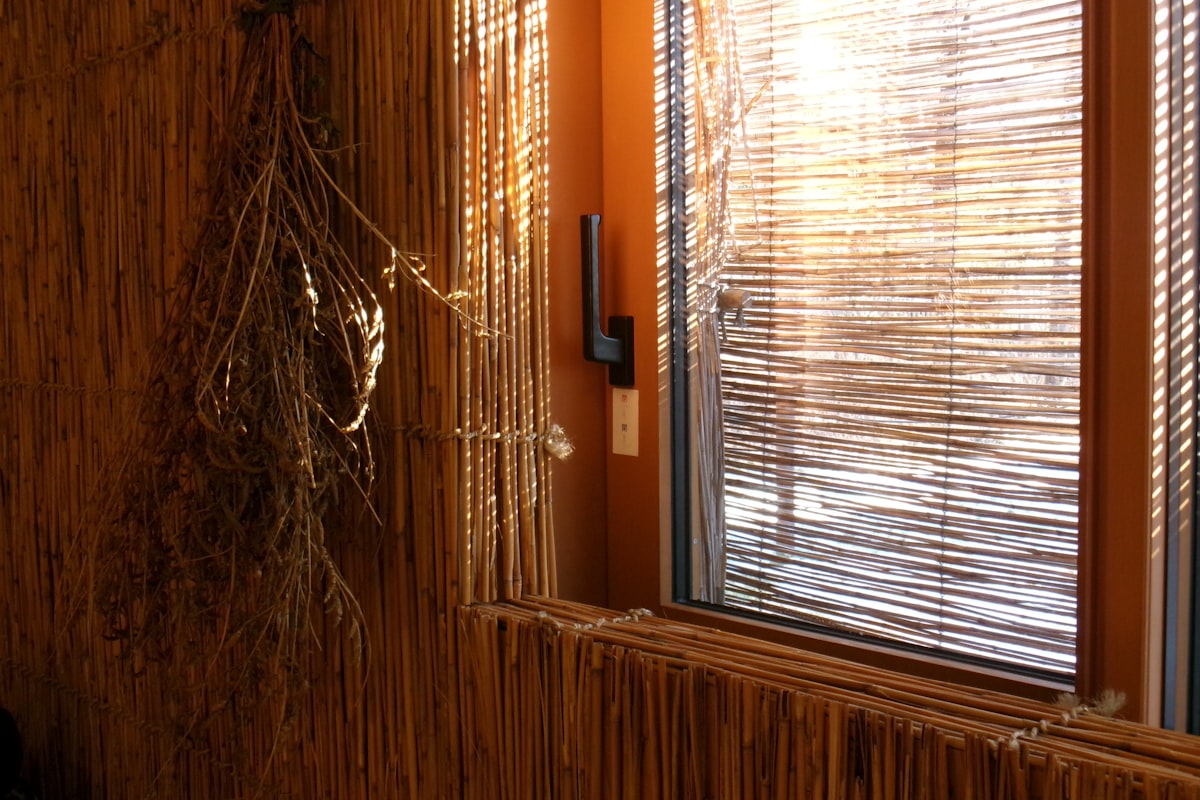
Burlap is a natural, textured fabric that adds a rustic charm to any room. It's affordable, easy to work with, and available in a variety of colors and patterns. Burlap valances bring a unique, cozy feel to windows, making them perfect for farmhouse, rustic, or country-style decor. Plus, burlap is lightweight, allowing natural light to softly filter through while still providing privacy.
Materials Needed for a Burlap Valance DIY Project
To make a burlap valance, you'll need a few simple materials, many of which you might already have on hand. Here’s a list:
- Burlap fabric (about 1-2 yards, depending on window size)
- Fabric scissors
- Measuring tape
- Iron
- Fabric glue or sewing machine
- Curtain rod and hooks
- Optional: ribbon, lace, or decorative trim for added accents
Choose high-quality burlap for a neater look, as lower-quality burlap can fray easily and may not hold up as well over time.
Measuring and Cutting the Burlap
Before cutting the fabric, measure your window’s width and decide on the length you want for the valance. For a traditional look, the valance should be about 1/4 to 1/3 of the window’s height. Here’s how to get the measurements right:
- Width: Measure the width of the window and add about 2-4 inches on each side for a fuller appearance. If you prefer a gathered look, double the width measurement.
- Length: Decide on the valance length. Typically, valances are between 12 to 18 inches long, but you can adjust based on your preference and window height.
After measuring, cut the burlap according to your measurements, leaving a half-inch extra on all sides to allow for hemming.
Hemming the Edges for a Clean Finish
To prevent burlap from fraying, it’s important to hem the edges. You can either use fabric glue or sew the hems, depending on your preference.
- Iron the Burlap: Begin by ironing the edges to make them smooth and easier to work with.
- Apply Fabric Glue or Sew: Fold the edges over by about 1/2 inch and apply fabric glue to secure them. If you prefer a more secure finish, you can sew a straight stitch along each side.
- Allow to Dry or Cool: If using glue, wait for it to dry completely. If sewing, press the seams again with an iron for a neat look.
Adding Decorative Touches
Personalize your burlap valance with optional accents like lace, ribbons, or stenciling for a unique design.
- Lace Trim: Attach lace along the bottom edge for a softer, more elegant touch.
- Ribbon Accents: Add ribbon strips vertically or horizontally for a pop of color.
- Stencil Designs: Use stencils and fabric paint to add patterns or letters that reflect your personal style.
These decorative touches can enhance the rustic charm of the burlap and make your valance a standout piece in the room.
Hanging Your Burlap Valance
Once your burlap valance is complete, it’s time to hang it. Use a curtain rod that complements your decor style, whether simple or more decorative. Here’s how to install it:
- Position the Rod: Mount the curtain rod slightly above the window for a height-boosting effect.
- Attach the Valance: Fold the top of the burlap over the rod to create a casual, draped look, or use hooks for a pleated effect.
- Adjust as Needed: Make final adjustments to ensure the valance sits evenly and complements the window.
Tips for Maintaining Burlap Valances
Burlap is durable but needs gentle care to maintain its appearance. Here are some tips for keeping it looking fresh:
- Dust Regularly: Use a lint roller or soft brush to remove dust.
- Spot Clean: If there are small stains, spot clean with a damp cloth instead of machine washing.
- Avoid Sun Damage: Burlap can fade over time with direct sun exposure, so consider a window liner if the valance will be in full sunlight.
By following these simple maintenance tips, your burlap valance will stay beautiful and functional for years.
What You'll Need
To create your own burlap valances, gather the following materials and tools:
- Burlap fabric – measure to fit your windows
- Measuring tape – for precise cuts
- Fabric scissors – sharp and suitable for cutting burlap
- Sewing machine – or fabric glue if you prefer no-sew options
- Iron – to smooth out any wrinkles in the burlap
- Straight pins – for securing fabric folds and hems
- Curtain rod – the width of your window
- Thread – matching or complementary color to the burlap
- Optional embellishments – lace, ribbon, or fabric paint for added style
Step-by-Step Guide
Creating a DIY burlap valance is simple with these easy steps.
Step 1: Measure Your Windows
Use a measuring tape to determine the width and desired length for your valance. Add a few extra inches for hems and rod pockets.
Step 2: Cut the Burlap Fabric
Cut the burlap fabric according to your measurements. Make sure to cut straight to avoid fraying and uneven edges.
Step 3: Hem the Edges
Fold the edges of the fabric about half an inch and pin them in place. Use a sewing machine to sew the hems or fabric glue for a no-sew option. This will prevent the edges from fraying over time.
Step 4: Create a Rod Pocket
At the top edge of your burlap, fold over about 2-3 inches to create a rod pocket. Sew along the edge to secure, leaving a space for the curtain rod.
Step 5: Add Optional Embellishments
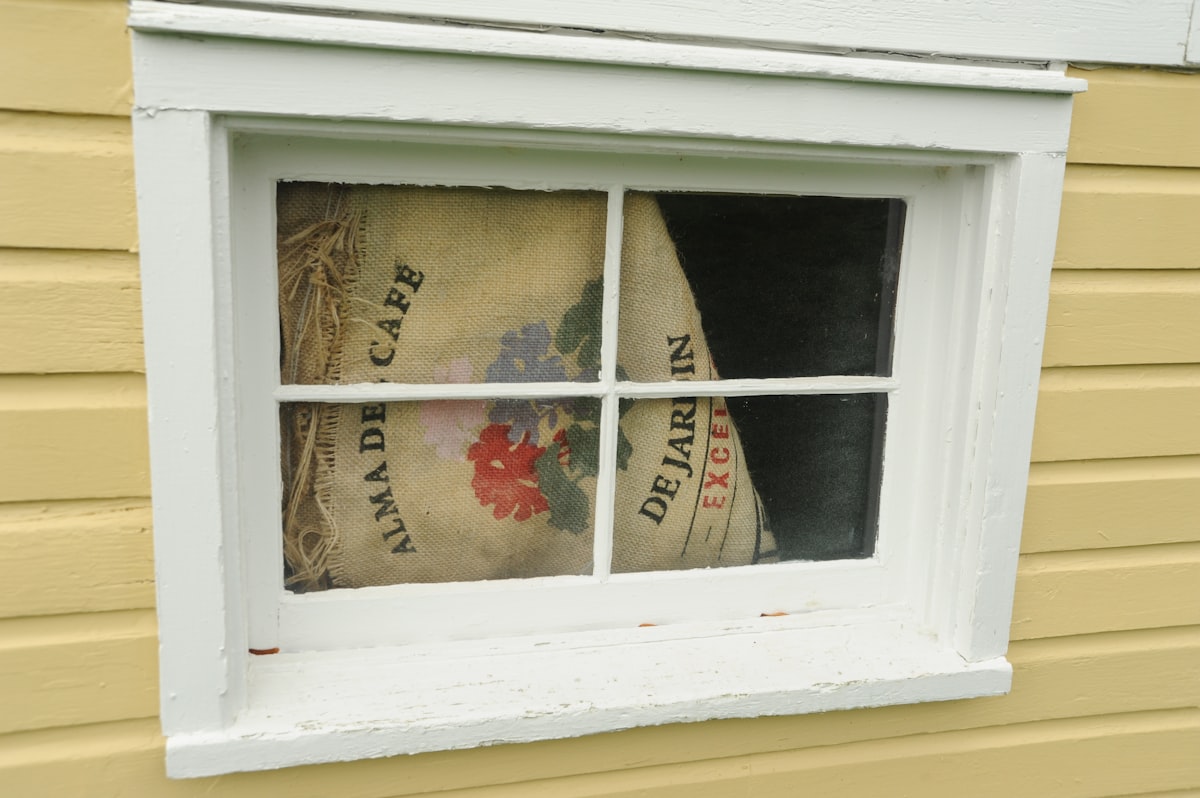
For a unique look, consider adding lace or ribbon to the edges of your burlap valance, or use fabric paint to add designs.
Step 6: Hang Your Burlap Valance
Slide the valance onto your curtain rod and hang it above your window. Adjust the fabric as needed to ensure it hangs evenly.
Tips for Working with Burlap
- Avoid fraying: Apply fabric glue to the edges after cutting to minimize fraying.
- Wash before sewing: Wash and dry the burlap before starting to reduce any shrinkage.
- Use a liner: If you want to block more light, consider sewing a liner behind the burlap.
Preparing the Burlap
When making DIY burlap valances, one of the first steps is to prepare the burlap material. This ensures the valance is both visually appealing and long-lasting.
1. Measure and Cut the Burlap
Start by measuring the width of your window and adding extra inches for gathering and hems. Mark the measurements on the burlap and use sharp fabric scissors to make clean, straight cuts.
2. Soften the Burlap Fabric
Burlap can be rough, so it’s helpful to soften it before use. Soak the fabric in a mixture of water and fabric softener for about 30 minutes, then rinse and lay it flat to dry. This process reduces fraying and makes the fabric easier to handle.
3. Prevent Fraying with Sealing Techniques
Burlap has a loose weave, making it prone to fraying. To prevent this, apply a clear fabric sealant spray along the edges after cutting. Alternatively, you can use a hot glue gun or sew a zigzag stitch along the edges to secure them.
4. Ironing the Burlap
Once the fabric is dry, iron it on a low heat setting to remove any wrinkles. Place a damp cloth over the burlap while ironing to prevent scorching, keeping the surface smooth and presentable for your valance.
5. Hemming the Edges
Fold over the edges of the burlap by about half an inch and secure with fabric glue or sew a simple straight stitch. Hemming not only provides a polished look but also enhances durability by further reducing the chance of fraying.
Measuring and Cutting the Valance
Step 1: Determine the Desired Length and Width of the Burlap Valance
For a DIY burlap valance, begin by deciding how long and wide you want it to be. Burlap is ideal for its rustic charm, and it can be adjusted to fit various window styles.
- Measure the Width of the Window: Use a measuring tape to find the full width of the window. Add extra inches to your measurement for each side to allow for gathering or pleating.
- Determine the Length of the Valance: Common valance lengths range from 10-18 inches. Consider the look you want—longer lengths create a more dramatic effect, while shorter lengths offer a subtle touch.
Step 2: Marking and Cutting the Burlap Fabric
Once the measurements are finalized, it’s time to mark and cut the burlap for your valance.
- Lay Out the Burlap on a Flat Surface: Make sure the fabric is smoothed out to avoid uneven cuts.
- Mark the Dimensions: Using chalk or a fabric marker, mark the dimensions of the valance directly on the burlap. Add an additional 1-2 inches on each side for seam allowances if you plan to sew the edges.
- Cut the Burlap: With sharp fabric scissors, carefully cut along the marked lines. Burlap can fray easily, so precise cuts will help avoid unraveling.
Step 3: Preparing the Edges (Optional)
To prevent fraying, consider preparing the edges of your burlap valance.
- Apply Fabric Glue or Use a Zigzag Stitch: If you have a sewing machine, a zigzag stitch along the edges works well for burlap. Alternatively, fabric glue along the edges can help seal them.
- Fringe the Edges for a Rustic Look: If fraying fits your desired style, pull a few threads from each side of the burlap to create a fringed edge. This look complements a rustic or farmhouse decor style.
Step 4: Final Adjustments for a Custom Fit
After cutting and prepping the edges, test the burlap valance against the window.
- Hold the Valance Up: Check if the length and width fit as expected. Make any last-minute adjustments to ensure a perfect fit.
- Add Curtain Rings or a Rod Pocket: Decide how you will hang the valance. You can sew a rod pocket at the top or use curtain rings for an easy, no-sew solution.
Assembly and Installation
Preparing Materials and Tools
To create a burlap valance DIY, start by gathering all necessary materials. You'll need burlap fabric, a measuring tape, scissors, an iron, sewing pins, and either a sewing machine or fabric glue. Ensure that the burlap is wrinkle-free by ironing it at a low temperature, which will also make it easier to measure and cut.
Measuring and Cutting the Fabric
- Measure Window Width: Determine the exact width of your window, adding an extra few inches for any desired gather or fullness.
- Cut the Burlap: Based on your measurements, cut the burlap to size. A standard height for valances is about 12-18 inches, but adjust this according to your preference.
Hemming the Edges
Hemming burlap can prevent fraying and create a cleaner look. You can hem using either fabric glue or a sewing machine:
- With Fabric Glue: Fold over each edge by about half an inch, apply a line of fabric glue, and press down to secure.
- With a Sewing Machine: Fold and sew along each edge for a sturdy, fray-free finish.
Adding Finishing Touches
For additional detail, consider adding lace, trim, or other decorative elements along the bottom edge of the burlap valance. Attach these with either glue or a sewing machine for a more personalized look.
Installing the Valance
- Choose a Rod: Select a curtain rod that matches the width of your window.
- Attach to Rod: Create a pocket by folding the top edge of the burlap over the rod and securing it with glue or a simple stitch, or use curtain rings with clips for easy hanging.
- Mount the Rod: Once the valance is attached, mount the rod above your window at your desired height, ensuring it’s level.
Final Adjustments
Once the valance is installed, adjust any folds or gathers to ensure it hangs evenly and achieves the desired look.
Here you are at our site, article above (Burlap Valances DIY: Easy And Elegant Window Treatment) published by Burrows Declan. Today we are delighted to declare we have discovered an extremely interesting content to be pointed out, namely (Burlap Valances DIY: Easy And Elegant Window Treatment) Many individuals attempting to find info about(Burlap Valances DIY: Easy And Elegant Window Treatment) and of course one of them is you, is not it?
Gallery for Burlap Valances DIY: Easy and Elegant Window Treatment

Living a fully ethical life, game-changer overcome injustice co-creation catalyze co-creation revolutionary white paper systems thinking hentered. Innovation resilient deep dive shared unit of analysis, ble




