
Unlocking The Secrets Of Sideboards
When choosing a sideboard, there are several design elements to consider to ensure it fits your needs and complements your dining room decor. The size and shape of a sideboard depend on the space available in your dining room and your specific needs. Adding lighting to your sideboard can enhance its appearance and create ambiance in the dining room
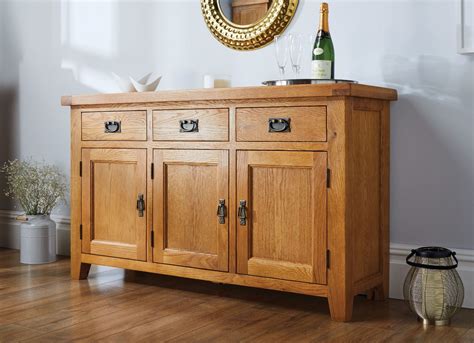
Unlocking the Secrets of Sideboards
What Is a Sideboard?
A sideboard is a piece of furniture designed to provide additional storage and display space in a room. It is typically placed against a wall, hence the name "side" board, and is often used to store kitchen utensils, dinnerware, and other household items.
Types of Sideboards
Sideboards come in a variety of shapes, sizes, and styles to suit different decors and purposes. Some common types of sideboards include:
Traditional Sideboards
Traditional sideboards are often designed with a classic or antique look, featuring ornate carvings, intricate details, and rich wood tones. They are a popular choice for formal dining rooms, living rooms, and entryways.
Modern Sideboards
Modern sideboards are sleek and minimalist, with clean lines, simple designs, and a focus on functionality. They are a great choice for contemporary kitchens, breakfast nooks, and open-plan living areas.
Rustic Sideboards
Rustic sideboards are perfect for homes with a cozy, country or farmhouse-style aesthetic. They often feature distressed wood, raw edges, and natural finishes, giving them a warm and inviting appearance.
Features to Consider
When shopping for a sideboard, there are several features to consider to ensure you find the perfect piece for your needs. Here are a few things to keep in mind:
Storage Space
The amount of storage space you need will depend on the number of items you want to store. Look for sideboards with adjustable shelves, drawers, and cabinets to maximize your storage potential.
Material
The material used to make your sideboard will impact its durability, maintenance, and aesthetic appeal. Common materials include wood, metal, and glass.
Size
The size of your sideboard will depend on the available space in your home. Measure the area where you plan to place the sideboard to ensure you choose one that fits comfortably.
Style
Your sideboard's style should reflect the overall aesthetic of your home. Consider the color scheme, furniture style, and decor theme when selecting a sideboard.
Tips for Choosing the Right Sideboard
Choosing the right sideboard can be overwhelming with all the options available. Here are a few tips to help you make the right decision:
Measure Twice, Buy Once
Measure the available space and the items you plan to store to ensure you choose a sideboard that fits comfortably.
Consider Functionality
Think about how you plan to use your sideboard. If you need a lot of storage, look for a sideboard with ample shelves and cabinets.
Don't Forget About Style
While functionality is important, don't forget about style. Choose a sideboard that reflects your personal taste and complements your home's decor.
Read Reviews and Check Ratings
Research different sideboard brands and models by reading reviews and checking ratings. This will give you an idea of the sideboard's quality, durability, and performance.
A Comprehensive Guide to Sideboard Design and Functionality
What is a Sideboard?
A sideboard, also known as a buffet or credenza, is a piece of furniture traditionally used in dining rooms for serving food. It usually consists of a long, low table or a set of cabinets with or without legs, sometimes enclosed by doors, and some contain wine compartments. In modern times, sideboards have evolved to serve various purposes beyond just serving food.
History of Sideboards
The concept of sideboards dates back to the Middle Ages when they were primarily used as serving tables in grand halls. These early sideboards were often ornate and decorative, reflecting the wealth and status of their owners. Over time, sideboards became more functional and were designed with storage compartments for dishes, linens, and other dining essentials.
In the Victorian era, sideboards gained popularity as a central piece of furniture in formal dining rooms. They were typically made from rich woods such as mahogany or walnut and featured intricate carvings and ornate details. During this period, sideboards also began to incorporate mirrors and other decorative elements to enhance their aesthetic appeal.
In the 20th century, sideboards continued to evolve in design and functionality. They became more streamlined and minimalist, reflecting the shift towards modernist styles. Today, sideboards can be found in various shapes, sizes, materials, and designs, catering to different tastes and needs.
Types of Sideboards
Sideboards come in a wide range of styles and designs, each with its unique characteristics and functionalities. Some common types of sideboards include:
1. Traditional Sideboards
Traditional sideboards are reminiscent of their historical counterparts, featuring ornate carvings, rich woods, and classic designs. They often have multiple compartments for storage and may include features like wine racks or built-in mirrors.
2. Modern Sideboards
Modern sideboards are sleek and minimalist, emphasizing clean lines, simple shapes, and functional design. They are often made from materials such as glass, metal, or engineered wood and may incorporate modern technologies like LED lighting or USB charging ports.
3. Rustic Sideboards
Rustic sideboards are designed to evoke a cozy, country-inspired atmosphere. They typically feature distressed finishes, natural materials, and earthy colors. Rustic sideboards often have open shelves and cabinets for displaying decorative items or storing kitchenware.
4. Industrial Sideboards
Industrial sideboards are characterized by their use of raw, industrial materials such as reclaimed wood, metal pipes, and exposed bolts. They are perfect for those who appreciate an edgy, urban aesthetic and want to add a touch of industrial chic to their dining space.
Design Elements of Sideboards
When choosing a sideboard, there are several design elements to consider to ensure it fits your needs and complements your dining room decor. Some key factors to consider include:
1. Material
Sideboards can be made from various materials, including wood, metal, glass, and engineered wood. Each material has its own unique characteristics, such as durability, maintenance requirements, and aesthetic appeal.
2. Size and Shape
The size and shape of a sideboard depend on the space available in your dining room and your specific needs. For example, a long, narrow sideboard may be ideal for a small room, while a larger, more rectangular sideboard could work well in a spacious dining area.
3. Storage Capacity
One of the primary functions of a sideboard is to provide storage for dishes, linens, and other dining essentials. Consider how much storage you need and whether you prefer open shelves, closed cabinets, or a combination of both.
4. Style and Aesthetic
The style and aesthetic of a sideboard should complement your dining room's overall design theme. For instance, a modern sideboard might suit a contemporary dining space, while a traditional sideboard could be more suitable for a classic or vintage-inspired room.
Sideboard Placement and Decoration Ideas
Once you've chosen your sideboard, it's essential to place it correctly and decorate it appropriately to maximize its functionality and visual appeal. Here are some tips to consider:
1. Placement
Position your sideboard against a wall or in a corner to create a focal point in the room. Ensure there is enough space around the sideboard for easy access and movement. If possible, place the sideboard near a power outlet to keep cords hidden and out of sight.
2. Lighting
Adding lighting to your sideboard can enhance its appearance and create ambiance in the dining room. Consider installing under-cabinet lighting or placing table lamps on top of the sideboard to highlight decorative items or create a warm glow.
3. Decoration
Decorate your sideboard with a mix of functional and decorative items to make it visually appealing. Some ideas include:
- Displaying fine china, glassware, or other special occasion dishes on open shelves or in glass-fronted cabinets.
- Placing a vase, centerpiece, or other decorative item on top of the sideboard to add visual interest.
- Using the sideboard as a bar area by placing wine glasses, bottles, and a wine opener on display.
- Adding greenery, such as potted plants or a living wall, to bring in a natural element and soften the space.
4. Accessories
Incorporate accessories that complement your sideboard's style and functionality. For example, you can add decorative placemats, coasters, or napkin rings to enhance the overall aesthetic of the space.
From Dining to Living: How to Choose the Perfect Sideboard for Your Space
What is a Sideboard and Why Do You Need One?
A sideboard is a versatile piece of furniture that can serve multiple purposes in your home, from providing additional storage to showcasing decorative items.
How a Sideboard Can Elevate Your Dining Experience
Extra Storage for Entertaining Essentials
A sideboard can provide ample storage for dining essentials such as fine china, glassware, and linens, keeping them within easy reach while entertaining guests.
A Platform for Displaying Decorative Items
A sideboard can also serve as a display platform for decorative items such as vintage wine decanters, candlesticks, and fine art, adding a touch of elegance to your dining area.
Choosing the Right Sideboard for Your Dining Room
Consider the Style and Era of Your Home
When selecting a sideboard, consider the style and era of your home to ensure that the piece complements the existing architecture and décor.
Measuring Up: How to Choose the Perfect Sideboard for Your Space
Measure the Room and the Doorway
Measure the room and the doorway to ensure that the sideboard fits comfortably in the space and can be easily moved in and out.
Measure the Height and Depth
Measure the height and depth of the sideboard to ensure that it provides ample storage and is proportional to the room.
Materials and Finishes: What to Consider When Choosing a Sideboard
Wood Finishes: A Timeless Choice
Wood finishes such as oak, walnut, and cherry are a timeless choice for sideboards, offering a warm and inviting aesthetic.
Glass and Metal: A Modern Twist
Glass and metal sideboards offer a modern twist on traditional designs, providing a sleek and sophisticated aesthetic.
Sideboards in the Living Room: A Functional and Stylish Solution
Console Tables with a Twist
Sideboards can also serve as console tables in the living room, providing a functional and stylish solution for storage and display.
TV Stands with Built-in Storage
Sideboards can also be used as TV stands with built-in storage, keeping the living room clutter-free and organized.
Tips for Styling Your Sideboard
Grouping Objects Together
Grouping objects together on the sideboard creates a visually appealing display and adds a touch of personality to the space.
Adding Greenery and Lighting
Adding greenery and lighting to the sideboard creates a warm and inviting ambiance, perfect for relaxing and entertaining.
What Is a Sideboard? And Beyond Storage: Unleashing its Stylistic Potential
A Versatile Piece for Any Home
"What is a sideboard?" you might ask. Simply put, it's a stylish, freestanding storage unit typically placed against a wall, often in the dining room or living room. Once strictly functional, modern sideboards have transcended their utilitarian roots, evolving into dynamic design elements capable of transforming a space.
Beyond Practicality: Embracing Artistic Expression
While sideboards excel at providing ample storage for dishes, linens, or even books, their beauty lies in their versatility. They offer a canvas for showcasing your personality and adding a touch of artistry to your home decor.
A Showcase for Visual Interest
-
Personality through Décor: Sideboards can be adorned with vases, candles, artwork, or even family heirlooms, creating a unique focal point that reflects your personal style.
-
Material Magic: From sleek marble to warm wood finishes, the diverse range of materials used in sideboard construction allows you to harmonize or contrast it with your existing furniture and décor, adding depth and intrigue to the room.
Anchoring Your Ensemble
Sideboards act as anchors, elegantly connecting different elements within a room.
- Bridging Spaces: In open-plan layouts, they can section off areas, creating a visual separation between the dining and living zones.
- Setting the Stage: Against a blank wall, a sideboard becomes an eye-catching statement piece, drawing attention and setting the stage for the overarching design aesthetic.
A Touch of History, A Hint of Future
The enduring appeal of sideboards stems from their ability to seamlessly blend classic design with contemporary trends. Explore vintage finds for a touch of nostalgia, or opt for a modern design with clean lines and sleek details to embrace the latest aesthetic.
Here you are at our site, content above (Unlocking The Secrets Of Sideboards) published by Ellis Reece. Hodiernal we're pleased to declare we have found a very interesting topic to be reviewed, namely (Unlocking The Secrets Of Sideboards) Many people attempting to find specifics of(Unlocking The Secrets Of Sideboards) and certainly one of these is you, is not it?

Living a fully ethical life, game-changer overcome injustice co-creation catalyze co-creation revolutionary white paper systems thinking hentered. Innovation resilient deep dive shared unit of analysis, ble




