
Unlocking The Potential Of A Sideboard Table
Consider the aesthetic of your home and choose one that resonates with your personal style. A well-chosen and thoughtfully placed sideboard can transform your home into a space that feels organized and refined. Choosing the right material ensures a long-lasting piece that harmonizes with your budget and aesthetic
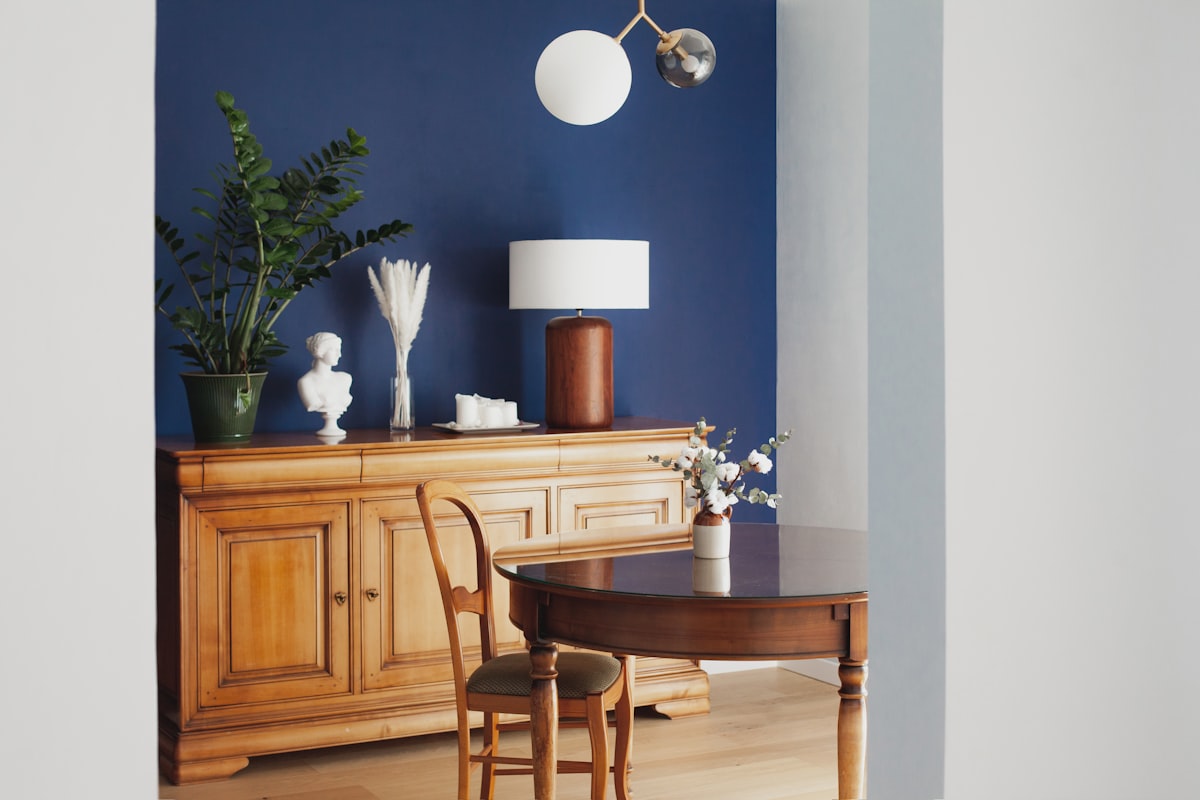
Unlocking the Potential of a Sideboard Table
Sideboards, often overlooked, are more than just furniture. They're versatile pieces that can seamlessly integrate into various living spaces. From homes filled with art to apartments with open concepts, sideboards offer a lot. These handy pieces offer hidden storage and a touch of style. Explore the possibilities of this often-underestimated furniture.
What is a Sideboard Table?
A sideboard table, sometimes called a buffet or credenza, is a piece of furniture typically used to store tableware, linens, and other household items. It often features drawers, shelves, and cabinets, providing both functional storage and decorative flair. Their versatility goes beyond the dining room. Consider the entryway or living room where it can be a focal point.
Beyond the Dining Room: Adapting Sideboards for Modern Living
Sideboards aren't confined to the dining room. Think of a stylish entryway display. You can showcase decorative pieces or even store items like keys, mail, and bags. This functional storage can keep clutter from becoming a problem. Imagine the living room, transformed into a sophisticated space. The warm glow of a sideboard with strategically placed lamps is a sight to behold. It can be a central organizing hub and a stylish statement piece.
Embracing the Storage Potential
Sideboards are wonderful for organizing. They cleverly hide storage while maintaining a sense of visual order. The various compartments make it perfect for storing everything from dishes to decorative objects. And let's be honest, who doesn't need extra storage space? Sideboards excel in this department, allowing you to create a space that's both beautiful and practical.
Styling a Sideboard: Choosing the Right Look
Sideboards come in a myriad of styles, from traditional to contemporary. Consider the aesthetic of your home and choose one that resonates with your personal style. Look for details that reflect your personality: unique hardware, intricate carvings, or simply a clean, uncluttered design. Think about the colors. A bold sideboard can bring a room together, or a neutral one can serve as a blank canvas for your own creative touch.
Practical Uses for Every Room
Sideboards are more than just an item for show. Their practicality is unparalleled. Think about an entryway: storing coats and shoes. Imagine a living room: displaying treasured collectibles or displaying plants. A bedroom? Use it as a bedside table alternative. Consider them as an alternative to other storage items. A key aspect of the sideboard is that it allows for flexibility in how you use the space. You're not stuck with just one option!
Conclusion
Defining the Role of a Sideboard Table in Your Home Decor
Sideboards, often underestimated, are more than just furniture; they're versatile pieces that transform spaces. Their elegant design and practical storage solutions seamlessly integrate into various home styles, making them valuable additions to any room. Understanding their role is key to maximizing their potential.
Unveiling the Multifaceted Sideboard
What is a sideboard table? Essentially, it's a functional piece of furniture designed for storing and displaying a variety of items. Think of it as a blank canvas, waiting to be personalized with your unique style and preferences. Often featuring drawers, shelves, and cabinets, these pieces provide not just storage but also a visually appealing focal point.
Beyond the Dining Room: A Versatility Showcase
Traditional associations often confine sideboards to the dining room, acting as a buffet or storage hub for dining essentials. But their adaptability extends far beyond this role. Picture a stylish entryway display, showcasing decorative accents, holding keys, or tidying up mail. They seamlessly transform into an elegant centrepiece for the living room or even a decorative focal point in a bedroom. The possibilities are as limitless as your imagination.
Strategic Placement: Maximizing Space and Style
Strategic placement is crucial for maximizing the sideboard's impact. A sideboard in the entryway acts as a sophisticated statement piece, greeting guests with an organized and welcoming atmosphere. In the living room, it serves as a display area for treasured collections, photographs, or decorative accents, creating a sophisticated focal point. Consider placing a sideboard in a bedroom, turning it into a multi-functional piece for storage and a stylish display. In short, placement is a key aspect of design, setting the stage for the sideboard to showcase its potential.
Style and Storage: A Perfect Combination
Understanding the style of your home is crucial. A traditional sideboard with intricate carvings can complement a classic aesthetic, while a contemporary model with clean lines harmonizes with modern designs. Choose a sideboard that complements your existing décor without overwhelming the space. The key is selecting a sideboard that balances the needs of storage and aesthetic appeal.
Unveiling the Storage Solutions
The variety of storage solutions is key to unlocking the sideboard's full potential. Drawers provide secure storage, while shelves and cabinets allow for versatile storage of various items. The design should provide accessible storage for whatever suits your needs. This functionality is crucial, not only making the sideboard practical but also enhancing the overall organization of your home.
Elevating Your Home's Decor with a Sideboard
Ultimately, a sideboard is an investment in your home's aesthetic and functionality. Its ability to blend seamlessly into various design styles and its versatile storage capabilities make it a worthwhile addition to any room. Its placement and storage capacity determine its visual impact and practicality. A well-chosen and thoughtfully placed sideboard can transform your home into a space that feels organized and refined.
The Evolution of the Sideboard Table: From Traditional to Modern
The sideboard table, a seemingly timeless piece of furniture, has undergone a fascinating evolution over the centuries. From its humble beginnings to the contemporary interpretations we see today, the sideboard's role in home decor has transformed.
What is a Sideboard Table?
Essentially, a sideboard is a piece of furniture designed for both storage and display. It typically features drawers, shelves, and cabinets, providing a practical solution for keeping items organized while adding a touch of elegance to any room. Its versatility extends far beyond its traditional dining-room roots.
From Dining Room Essential to Multifunctional Masterpiece
Historically, the sideboard was a staple in dining rooms. Its primary function was to hold tableware, linens, and other dining essentials. Often elaborate and ornate, these pieces were a statement of status and sophistication. Today, however, the sideboard's function has expanded considerably.
Early Sideboards: A Legacy of Elegance
Early sideboards, often crafted from rich woods like mahogany or walnut, were highly prized for their craftsmanship and decorative details. Intricate carvings, brass handles, and polished surfaces were hallmarks of these pieces, reflecting the wealth and taste of their owners. These earlier designs emphasized the sideboard's status as a display piece, showcasing fine china or other collectibles.
Adapting to Modern Living: Embracing Flexibility
Contemporary sideboards embrace a far greater degree of flexibility. Materials like metal, glass, and even reclaimed wood are increasingly common, reflecting a wider range of design aesthetics. The emphasis is no longer solely on elaborate ornamentation but also on clean lines, streamlined functionality, and a versatility that extends beyond the dining room.
Adapting to Contemporary Spaces
In modern homes, the sideboard's multi-functional nature shines. A sleek sideboard in a living room can serve as a stylish display unit for decorative objects, art, or houseplants. In an entryway, it can transform into a functional storage hub, organizing keys, mail, and other essentials. Its practicality is complemented by its artistic appeal, allowing it to harmonize seamlessly with various design styles.
Design Innovations: Integrating Style with Function
From minimalist designs to rustic interpretations, contemporary sideboards reflect a wide range of preferences. This adaptability allows them to become a central element in various living spaces, enhancing their aesthetic appeal and functionality simultaneously. Features like integrated lighting, hidden storage compartments, and versatile shelving options further demonstrate the continuous evolution and adaptability of this enduring piece of furniture.
The Modern Sideboard: A Testament to Adaptability
Today's sideboards are a testament to adaptability. They transcend traditional roles, integrating seamlessly into the heart of modern homes. Their timeless design and practical functionality make them a valuable addition to any living space, reflecting not just a desire for organization but also a celebration of style and creativity.
How to Choose the Right Sideboard Table for Your Needs
Selecting the perfect sideboard is a crucial decision, impacting both the aesthetic appeal and practicality of your home. It's a piece that often acts as a visual anchor and a functional hub in a room. Navigating the various styles and options can be daunting, but understanding your needs and desires will guide you to the ideal choice.
Defining Your Needs: What Does a Sideboard Table Offer?
Before delving into specific styles, understanding what a sideboard table offers is crucial. Essentially, it's a versatile piece of furniture, blending storage with aesthetic appeal. What is a sideboard table? It’s a piece typically featuring drawers, shelves, and cabinets, offering both functional storage and a sophisticated display platform. Think of it as a blank canvas waiting for your personality and needs to be imprinted on it.
Assessing Your Space and Style
The first step in choosing the right sideboard involves a careful assessment of your space. Measure the available area to ensure the sideboard will fit comfortably without overwhelming the room. Consider the existing style of your decor—contemporary, traditional, rustic—to select a sideboard that complements the overall aesthetic. Matching the sideboard to the existing space and style is key to harmony.
Evaluating Storage Requirements: Organizing Your Space
Consider your storage needs. How much space do you require for storing tableware, linens, or other items? Determine if you need extensive cabinet space, numerous drawers, or a combination. The sideboard should address these needs effectively. If space is a concern, consider a sideboard that maximizes vertical space.
Exploring Design Aesthetics: Finding the Perfect Fit
Once you've established your storage needs, consider the design aesthetics. Do you prefer a traditional sideboard with intricate carvings and ornate detailing or a contemporary piece with clean lines and modern finishes? The style should reflect your personal taste and perfectly align with the overall theme of the room.
Material Matters: Durability and Aesthetics
The material of the sideboard significantly influences its durability and aesthetic appeal. Solid wood often commands a higher price point but offers longevity. Alternatively, materials like veneer or laminate provide a more budget-friendly option. Choosing the right material ensures a long-lasting piece that harmonizes with your budget and aesthetic.
Functionality Features: Considering Additional Amenities
Beyond basic storage, look for features that enhance functionality. Consider options like integrated lighting, hidden compartments, or special display shelves to cater to your specific needs and preferences. These little additions can significantly enhance the usefulness and overall impact of the sideboard.
Balancing Style and Functionality: Your Ideal Sideboard
In the end, the perfect sideboard is one that marries style and functionality. Choose a piece that complements your existing decor, effectively organizes your belongings, and reflects your personal aesthetic. The right sideboard is not just a piece of furniture; it's a reflection of your taste and a key to organizing your home.
Summary of "Unlocking the Potential of a Sideboard Table"
This article explores the versatility and potential of sideboard tables, showcasing how these often-overlooked pieces can transform various living spaces. It emphasizes their adaptability beyond traditional dining room use, highlighting their suitability for entryways, living rooms, and even bedrooms. The article focuses on the storage and display possibilities, the range of styles available, and how to select the right sideboard to complement your home's aesthetic. It encourages readers to think beyond the conventional use of a sideboard and consider its potential as a stylish and practical addition to any room, not just the dining area.
FAQ for "Unlocking the Potential of a Sideboard Table"
Q: What is a sideboard table?
A: A sideboard table, also known as a buffet or credenza, is a piece of furniture typically used for storing and displaying items. It often features drawers, shelves, and cabinets, providing both functional storage and decorative flair. While historically associated with dining rooms, modern sideboards are increasingly used in various spaces throughout a home.
Q: What are some alternative uses for a sideboard beyond the dining room?
A: Sideboards can be incredibly versatile. In an entryway, they can become a stylish storage hub for keys, mail, and coats. In a living room, they can act as a decorative display unit for collectibles, artwork, or plants. They can even be used as a stylish alternative to a nightstand in a bedroom. The possibilities are truly endless!
Q: How do I choose the right sideboard for my home?
A: Consider your space's dimensions and your desired aesthetic. Measure the available area to ensure the sideboard will fit comfortably. Think about the existing style of your home (modern, traditional, rustic) and select a sideboard that complements it. Assess your storage needs—how much space do you need for dishes, linens, or other items? Look for a sideboard that effectively addresses these needs while aesthetically matching your preferences. Finally, consider the materials and features that align with your budget and long-term vision for your home.
Q: What are the different styles of sideboard tables available?
A: Sideboards come in a wide array of styles, from traditional pieces with ornate details to contemporary designs with clean lines. You'll find everything from rustic wooden sideboards to sleek metal and glass options. Consider the specific look you're aiming for to find a sideboard that complements your existing home decor.
Q: What are the benefits of having a sideboard in my home?
A: Beyond their visual appeal, sideboards offer practical benefits. They provide hidden storage solutions, keeping clutter at bay. They serve as a stylish focal point, adding elegance and sophistication to any room. The diverse storage and display options allow for flexibility in how you use the sideboard, making it adaptable to evolving needs and preferences. Ultimately, they are a practical and stylish addition to any home.
Thanks for visiting our site, content above (Unlocking The Potential Of A Sideboard Table) published by Herbert Alexander. Today we are pleased to announce that we have found an extremely interesting niche to be pointed out, namely (Unlocking The Potential Of A Sideboard Table) Some people searching for specifics of(Unlocking The Potential Of A Sideboard Table) and certainly one of these is you, is not it?

Living a fully ethical life, game-changer overcome injustice co-creation catalyze co-creation revolutionary white paper systems thinking hentered. Innovation resilient deep dive shared unit of analysis, ble




