
Vintage Buffet Sideboard Revival
Vintage buffet sideboards are a treasure trove of possibilities, waiting to be transformed into stunning pieces that blend seamlessly with modern décor. Combine your vintage buffet sideboard with modern pieces to create a unique, eclectic look. Classic buffet sideboards can be customized with period-specific furniture elements to create cohesive, fashion-forward spaces that foster a timeless aesthetic
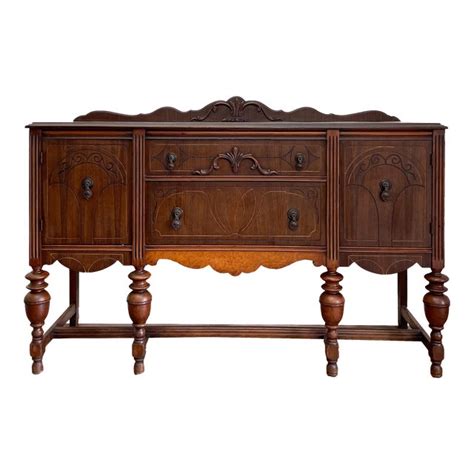
Vintage Buffet Sideboard Revival
The Joy of Upcycling
Giving old furniture a new lease on life is not only eco-friendly, but it's also a great way to add unique character to your home. Vintage buffet sideboards are a treasure trove of possibilities, waiting to be transformed into stunning pieces that blend seamlessly with modern décor.
What to Look for When Hunting for Vintage Buffet Sideboards
When scouring flea markets, thrift stores, or your grandmother's attic for the perfect vintage buffet sideboard, keep an eye out for the following:
Quality of Construction
Look for solid, sturdy frames that can support heavy weights. Check for any signs of damage or weakness, such as cracks, scratches, or loose joints.
Aesthetic Appeal
Consider the style, era, and design elements that resonate with your personal taste. Do you prefer ornate carvings, Art Deco patterns, or simple, clean lines?
Functional Potential
Think about how you plan to use your vintage buffet sideboard. Will it be a serving station, a display case, or a storage unit? Ensure the piece has the necessary features, such as drawers, shelves, or cabinets, to meet your needs.
Restoration and Refinishing
Once you've found your perfect vintage buffet sideboard, it's time to get creative! Restoration and refinishing can be a fun and rewarding process, but it does require some expertise. Here are some tips to get you started:
Sanding and Stripping
Remove old finishes, wax, or polish using a combination of sandpaper, steel wool, and chemical strippers. Be sure to work in a well-ventilated area and wear protective gear.
Painting and Staining
Choose a finish that complements the era and style of your vintage buffet sideboard. Consider distressing or glazing techniques to add depth and character.
Hardware and Accessories
Update or replace old hardware, such as knobs, handles, or hinges, to give your piece a fresh look. Add decorative trim, molding, or carvings to enhance the overall design.
Tips for Incorporating Vintage Buffet Sideboards into Your Decor
Mixing Eras and Styles
Combine your vintage buffet sideboard with modern pieces to create a unique, eclectic look. Blend different materials, textures, and colors to add visual interest.
Creating a Focal Point
Use your vintage buffet sideboard as a statement piece in a dining room, living room, or entryway. Add decorative lighting, plants, or artwork to draw the eye towards the piece.
Adding Functional Elements
Incorporate functional elements, such as a wine rack, a utensil organizer, or a charging station, to make your vintage buffet sideboard a practical addition to your home.
Recreating the Basics with Distressed Wood
A Vintage Buffet Sideboard Makeover
Choosing the Right Wood
When it comes to creating a vintage buffet sideboard, the type of wood used plays a significant role in determining the final look and feel of the piece. For a distressed wood finish, popular options include reclaimed barn wood, vintage pallets, or salvaged fencing wood. These types of wood have an inherent aged look and natural imperfections that can be easily enhanced through the distressing process.
Distressing Wood Techniques
Distressing wood is an art form that requires a combination of techniques and tools to achieve the perfect look. Some popular methods include:
Hammer and Chisel
- Using a hammer and chisel to create deep, controlled gouges in the wood.
- Employing different hammering techniques to create different textures and patterns.
Sanding and scraping
- Using sandpaper or a scraper to smooth out the wood and remove any excess paint or stain.
- Employing different grits of sandpaper to achieve a smooth, distressed finish.
Burning and staining
- Using a blowtorch or candle flame to create darker, more pronounced distress marks.
- Applying a stain or finish to enhance the aged look and bring out the natural grain of the wood.
Planning the Design
Before you begin your vintage buffet sideboard project, it's essential to plan out the design and layout. Consider the following factors:
Dimensions
- Measure the space where the sideboard will be placed to determine the ideal dimensions.
- Ensure the sideboard is proportional to the surrounding furniture and decor.
Style
- Research different styles and periods to determine the aesthetic you're aiming for.
- Consider the desired tone and personality of the piece, such as rustic, vintage, or modern.
Functionality
- Think about the purpose of the sideboard and the types of items it will hold.
- Design a layout that prioritize functionality and ease of use.
Assembling and Sanding
Once you have your design planned out and your wood is distressed, it's time to assemble the buffet sideboard. This may involve:
Building the frame
- Assembling the frame using screws, nails, or other fastening methods.
- Ensuring the frame is square and sturdy.
Attaching the shelves and supports
- Adding shelves or supports to hold the sideboard's contents.
- Ensuring they are level and securely attached.
Sanding and finishing
- Using sandpaper to smooth out any rough edges or surfaces.
- Applying a finish, such as a wax or polyurethane, to protect the wood and enhance its appearance.
Adding a Vintage Buffet Sideboard Top
The top of a vintage buffet sideboard is often the focal point of the piece. Consider the following options:
Recovering with wood veneer
- Applying a new wood veneer to the top of the sideboard.
- Ensuring a seamless fit and a smooth, even finish.
Refacing with glass or stone
- Adding a glass or stone top to give the sideboard a modern, high-end look.
- Ensuring a secure attachment and a flush finish.
Distressing the top
- Using a combination of techniques to distress the top and give it a worn, vintage look.
- Employing a finish to enhance the natural grain and texture of the wood.
Sealing and Protecting the Wood
The final step in creating a vintage buffet sideboard is to seal and protect the wood. This will help:
Preserve the finish
- Applying a clear coat of wax or polyurethane to protect the finish.
- Ensuring a durable and long-lasting finish.
Prevent scratches and marks
- Applying a scratch-resistant finish or sealant.
- Reducing the risk of damage to the wood and the finish.
Enhance the appearance
- Applying a finish or stain to enhance the natural grain and texture of the wood.
- Bringing out the unique character and charm of the distressed wood.
Unlocking Classic Chic with Art Deco Details
Art Deco's Modern Update
Art Deco, a style popular from the 1920s to the 1940s, epitomizes glamour, luxury, and sophistication. The style's emphasis on geometric shapes, metallic materials, and ornate patterns has been revamped and adapted to create modern masterpieces. One aspect that has been heavily impacted by this style's evolution is the evolution of vintage buffet sideboards. With the rise of minimalism, industrial chic, and bohemian eclecticism, classic buffet sides have been reimagined to suit contemporary tastes.
The Rise of the Classic Buffet Sideboard
A classic buffet sideboard was a staple in many traditional and luxurious households during the mid-20th century. Its prevalence can be attributed to its functionality, elegance, and capacity to serve an ample amount of food. The classic buffets came in various shapes, sizes, and designs, including antique, mid-century modern, and more modern takes on this retro style. The choice of a classic buffet sideboard makes sense, not only for its timeless appeal but also due to the adaptability it offers in terms of decorating preferences and interior design.
Unlocking the Secrets of Art Deco Revivals
The art of recreating classic pieces emphasizes understanding the subtleties that make them unique and valuable. Art Deco buffs rave about how certain elements adorn these buffet sideboards with an unmistakable sense of nostalgic luxury and glamour. Every distinctive aspect can be exploited to bring the vintage buffet sideboard into the present, from the shimmering glass accents to the striking metallic finishes or bold geometric patterns. The incorporation of these Art Deco details helps to ground a modern interpretation, ensuring that the classic buffet sideboard continues to radiate the sense of classic sophistication and style that it embodies.
Accessorizing Art Deco Classic Buffet Sideboards
To further elevate the Art Deco buffet sideboard concept, room decor professionals often recommend adding suitable accessories. Classic buffet sideboards can be customized with period-specific furniture elements to create cohesive, fashion-forward spaces that foster a timeless aesthetic. Decorators can effectively create contrasting textures and patterns to bridge between the main surfaces and other decorative materials. Key factors include the use of vintage rugs and throws in complementary hues to complement the classic buffet sideboard, as well as integrated metallic accents and bold pops of color.
The Power of Adaptive Elements
Understanding the versatility with which the Art Deco elements can be utilized is at the forefront of incorporating vintage buffet sideboard elements into modern surroundings. Whether you're adopting a mid-century modern design aesthetic or looking to infuse your space with a sophisticated and luxurious vintage charm, focusing on adaptations of their distinctive characteristics is the key.
Layering Elegance: Mixing Patterns and Textures
Understanding the Concept of Layering
Layering is an essential concept in interior design that involves combining different elements to create a visually appealing space. It can be applied to various aspects of interior design, including furniture, lighting, and accessories.
Mixing Patterns and Textures
One of the key elements of layering is mixing patterns and textures. This technique involves combining different patterns and textures to create a unique and visually interesting space. For example, a vintage buffet sideboard with a distressed finish and intricate carvings can be paired with a velvet sofa in a bold pattern, creating a striking contrast between old and new.
Creating a Layered Look with Patterns and Textures
To create a layered look using patterns and textures, start by selecting a base element such as a piece of furniture. Next, add a patterned throw pillow or blanket to add color and interest. Then, add a textured element such as a woven basket or a vintage rug to add depth and layers.
Combining Patterns and Textures for Diverse Look
Combining different patterns and textures can create a unique and diverse look. For example, a vintage buffet sideboard with a geometric pattern can be paired with a natural fiber tablecloth and a chunky throw blanket, creating a look that is both modern and elegant.
Balancing Patterns and Textures
Balancing patterns and textures is crucial when layering elegance. Over-accessorizing with too many patterns and textures can create a cluttered and overwhelming space. To avoid this, balance patterns and textures by limiting the number of elements and using a unifying element such as a neutral background or a common color scheme.
Using a Neutral Background to Balance Patterns and Textures
Using a neutral background such as a white or beige wall can help balance patterns and textures. By providing a neutral backdrop, patterns and textures can be showcased without overpowering the space.
Creating a Visual Hierarchy with Patterns and Textures
Creating a visual hierarchy using patterns and textures can add depth and interest to a space. Start with a bold pattern or texture and then add smaller patterns or textures to create a visual hierarchy.
Using a Focal Point to Draw Attention
Using a focal point such as a vintage buffet sideboard with a unique or stylish pattern can draw attention to a particular area of the space. By creating a visual focal point, patterns and textures can be effectively balanced and used to create a layered look.
Tips for Layering Patterns and Textures
• Start with a base element and then add patterns and textures. • Balance patterns and textures by limiting the number of elements. • Use a unifying element such as a neutral background or common color scheme. • Create a visual hierarchy using patterns and textures. • Use a focal point to draw attention to a particular area of the space.
Thanks for visiting our site, article above (Vintage Buffet Sideboard Revival) published by Bevan Brandon. Hodiernal we're pleased to declare we have discovered a very interesting content to be discussed, namely (Vintage Buffet Sideboard Revival) Many people looking for info about(Vintage Buffet Sideboard Revival) and of course one of them is you, is not it?

Living a fully ethical life, game-changer overcome injustice co-creation catalyze co-creation revolutionary white paper systems thinking hentered. Innovation resilient deep dive shared unit of analysis, ble




