
Optimizing Your Dining Space
With so many designs and materials to choose from, it can be overwhelming to find the perfect sideboard for your dining room. Here are some popular materials and finishes to consider: Wood is a classic material for sideboards and can add warmth and natural beauty to your dining room. Consider the overall aesthetic of your dining room and choose a sideboard that complements it
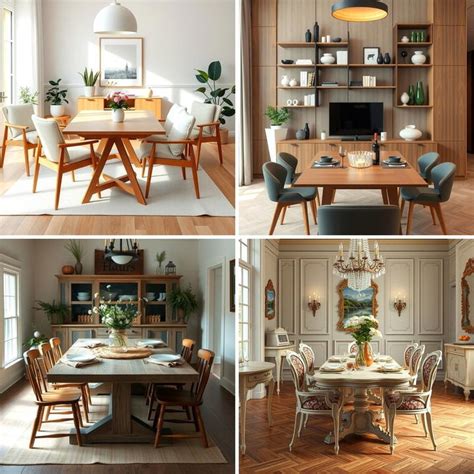
Optimizing Your Dining Space
Choosing the Right Sideboards for the Dining Room
A well-planned dining area can make or break the overall aesthetic and functionality of a home. One crucial element in achieving this is selecting the perfect sideboards for the dining room. Sideboards are a great way to expand storage while adding visual appeal to the space. When choosing a sideboard, consider the style, material, and size of the unit to ensure it complements existing furniture and decor.
Types of Sideboards
There are various types of sideboards, including built-in, freestanding, and sideboard units with buffet features. These can be made from different materials such as wood, metal, glass, or a combination of these. Built-in sideboards are ideal for small spaces or when blending seamlessly into the existing layout, while freestanding sideboards can be moved around the room as needed.
Placement and Positioning of Sideboards
The placement and positioning of sideboards in the dining room can significantly impact the overall experience. It is essential to consider the room's traffic flow, electrical outlets, and windows when deciding where to place the sideboard. A sideboard near a window can create the illusion of a larger room, while a sideboard in a corner can create a functional storage space.
Depth and Scale
When choosing a sideboard, consider its depth and scale relative to the room. A sideboard that is too large can overwhelm the space, while one that is too small may not provide sufficient storage. Aim to balance the depth of the sideboard with the room's existing furniture layout to create a harmonious atmosphere.
Additional Tips for Optimal Functionality
In addition to stylistic considerations, there are several other factors to consider when optimizing your dining space. These include:
Lighting and Decor
Lighting and decor play a crucial role in creating a warm and inviting dining atmosphere. Consider adding table lamps, floor lamps, or even a stunning chandelier above the sideboard to create ambient light. Decorative elements, such as artwork, vases, or centerpieces, can add visual interest to the space while breaking up the backdrop of the dining table.
Storage Organization
Storage organization is vital for maintaining a clutter-free dining area. When choosing a sideboard, consider its storage capacity and customization options for organizing items like plates, cups, and serving dishes. Utilizing baskets, bins, and drawers can also help keep the space organized and functional.
Technology Integration
Technology integration can also play a key role in optimizing your dining space. Consider installing outlets near the sideboard to charge devices, or even installing a smart display or LED lights to create an interactive ambiance.
Functional Zones
Creating functional zones within the dining area can help increase usability and functionality. Consider defining separate zones for dining, workspace, and storage by utilizing sideboards with storage compartments, inserts, or hidden zones.
Incorporating Multifunctional Pieces
When choosing a sideboard, consider multifunctional pieces that provide more than one purpose. These may include units with cupboards, drawers, or shelves, which can help expand storage and functionality while minimizing clutter.
Seasonal Considerations
When decorating the dining area, consider seasonal changes and how the sideboard can be converted to match different occasions. These might include adding festive table runners, seasonal decor, or even changing the layout to accommodate seasonal colors and themes.
Mixing and Matching Pieces
When selecting sideboards and other dining furniture, consider mixing and matching pieces from different eras and styles. This can create a unique and eclectic atmosphere that reflects your personal taste while avoiding a dated or monotonous look.
Design Inspiration
For inspiration on utilizing sideboards in the dining room, look to the following designs:
Industrial Chic
Industrial-chic sideboards made from reclaimed wood, metal, or stone can add a touch of urban cool to the dining area.
Mid-Century Modern
Mid-century modern sideboards with bold clean lines, minimal ornamentation, and an emphasis on functionality can provide a retro-chic look.
Coastal Elegance
Coastal elegance can be achieved by using sideboards made from natural materials such as wood or wicker, with nautical accents like ropes or shells.
Rustic Charm
Rustic charm can be achieved by using sideboards made from natural materials such as wood or stone, with decorative elements like wooden benches or woven baskets.
Sophisticated Style
Sophisticated style can be achieved by using sideboards made from high-end materials such as marble, granite, or walnut, with minimalist decor and subtle lighting.
Dark and Dramatic
Dark and dramatic sideboards made from rich materials like ebony or espresso-painted wood can create a dramatic and elegant look.
Beyond Functionality: Stylish Sideboard Designs to Elevate Your Dining Room
When it comes to furnishing your dining room, sideboards are a must-have piece. Not only do they provide valuable storage and surface space, but they can also serve as a stylish focal point in the room. With so many designs and materials to choose from, it can be overwhelming to find the perfect sideboard for your dining room. In this article, we'll go beyond functionality and explore some of the most stylish sideboard designs to elevate your dining room.
Materials and Finishes
When it comes to sideboards, the materials and finishes you choose can make a big impact on the overall look and feel of the piece. Here are some popular materials and finishes to consider:
Wood
Wood is a classic material for sideboards and can add warmth and natural beauty to your dining room. From rich, dark woods like walnut and mahogany to lighter woods like oak and pine, there are plenty of options to choose from. Consider a distressed finish for a rustic, laid-back look or a high-gloss finish for a more modern, polished appearance.
Metal
Metal sideboards can add a sleek, industrial feel to your dining room. Consider a brushed nickel or stainless steel finish for a modern look, or opt for a brushed brass or copper finish for a more vintage, retro vibe.
Glass
Glass sideboards can add a touch of elegance and sophistication to your dining room. Consider a clear glass top for a clean, minimalist look, or opt for a frosted or etched glass for a more opaque, textured appearance.
Design Styles
When it comes to sideboard designs, there are plenty of styles to choose from. Here are some popular options:
Mid-century Modern
Mid-century modern sideboards often feature clean lines, tapered legs, and warm wood finishes. They can add a retro, vintage feel to your dining room while still maintaining a modern edge.
Industrial
Industrial sideboards often feature metal frames, reclaimed wood tops, and distressed finishes. They can add a rugged, edgy feel to your dining room and are perfect for those who want to make a statement.
Traditional
Traditional sideboards often feature ornate details, carved wood, and rich finishes. They can add a timeless, elegant feel to your dining room and are perfect for those who want a classic, sophisticated look.
Rustic
Rustic sideboards often feature reclaimed wood, distressed finishes, and metal hardware. They can add a warm, cozy feel to your dining room and are perfect for those who want a laid-back, relaxed atmosphere.
Storage and Display
When it comes to sideboards, storage and display are key considerations. Here are some features to look for:
Doors and Drawers
Doors and drawers can provide valuable storage space for dishes, silverware, and other dining essentials. Consider a sideboard with both doors and drawers for maximum versatility.
Open Shelves
Open shelves can provide a display space for decorative items, books, and other accessories. Consider a sideboard with a mix of closed and open storage for a balanced look.
Wine Racks
If you're a wine lover, consider a sideboard with a built-in wine rack. This can provide a functional and stylish storage solution for your favorite bottles.
Lighting
Consider a sideboard with integrated lighting for a functional and stylish touch. This can provide task lighting for serving food and drinks, as well as ambient lighting for the room.
Placement and Styling
When it comes to placing and styling your sideboard, there are a few things to consider:
Positioning
Consider positioning your sideboard against a wall or in a corner of the room. This can help to maximize the storage and display space, while also providing a functional surface for serving food and drinks.
Styling
When styling your sideboard, consider using a mix of decorative items, books, and other accessories. This can help to create a layered, interesting look. Consider using items of different heights, textures, and materials to add visual interest.
Accessorizing
Consider accessorizing your sideboard with items that reflect your personal style. This can include items like vases, candles, trays, and bowls. Consider using items in coordinating colors and materials to create a cohesive look.
In conclusion, sideboards are more than just functional pieces of furniture. With so many design styles, materials, and finishes to choose from, they can also serve as stylish focal points in your dining room. By considering factors like storage and display, placement and styling, and materials and finishes, you can find the perfect sideboard for your dining room.
A World of Possibilities: 10 Innovative Sideboard Ideas for Dining Room Makeovers
h1 Sideboards for Dining Room: Modern Designs for a Dynamic Space
A sideboard is a versatile piece of furniture that can serve as a storage unit, a coffee table, and even a seating area. When designing a dining room, a sideboard can play a significant role in creating a functional and aesthetically appealing space. Here are 10 innovative sideboard ideas for dining room makeovers.
h2 Sideboards for Dining Room Furniture Upgrades
- Built-in Butler Tables: Design a space-saving sideboard that also doubles as a butler table, complete with a built-in utensil compartment and drawers.
- Pegged Sideboards: Create a customized sideboard with pegs instead of traditional drawers, perfect for storing coasters, candles, and other related items.
- Reclaimed Wood Sideboards: Use reclaimed wood as the base material for the sideboard, adding a touch of rustic charm to any dining room.
h3 Sidearms and Decorative Accents
- Hinged Sideboards: Design a sideboard with a hinge that allows it to be easily opened and closed, perfect for dining rooms with limited space.
- Metallic Sideboards: Use metallic materials, such as copper or bronze, to create a sideboard that adds a touch of luxury to any dining room.
- Elegant Shelves: Add elegant shelves to create a unique and stylish sideboard that adds depth to any dining room.
h4 Sideboard Styles for Different Dining Room Aesthetics
- Modern Sideboards: Create a sleek and modern sideboard with clean lines, minimal ornamentation, and a bold color scheme.
- Traditional Sideboards: Design a traditional sideboard with ornate details, such as carvings or intricate finishes, that add a touch of classic charm.
- Industrial Sideboards: Use reclaimed materials and industrial-style hardware to create a sideboard that adds a touch of edginess to any dining room.
h5 Sideboard for Modern Dining Rooms
Create a modern sideboard that incorporates clean lines, minimal ornamentation, and a bold color scheme.
Design Concept: Minimalist Sideboard
- Material: White oak or walnut wood
- Color Scheme: Charcoal grey, pops of blue
- Hardware: Brass or chrome
- Features: Built-in compartments, hinged doors, and a sleek, modern look
h6 Sideboard for Traditional Dining Rooms
Create a traditional sideboard that incorporates ornate details, such as carvings or intricate finishes.
Design Concept: Classic Sideboard
- Material: Walnut wood or mahogany
- Color Scheme: Warm wood tones, rich earthy colors
- Hardware: Brass or gold
- Features: Carved details, intricate finishes, and a traditional look
h7 Sideboard for Industrial Dining Rooms
Use reclaimed materials and industrial-style hardware to create a sideboard that adds a touch of edginess to any dining room.
Design Concept: Distressed Sideboard
- Material: Reclaimed wood or metal
- Color Scheme: Dark, industrial colors, bold accents
- Hardware: Metal pipes or industrial-style hardware
- Features: Distressed finish, metal accents, and a rugged look
h8 Sideboard for Coastal Dining Rooms
Create a sideboard that incorporates light, airy fabrics and bold, coastal colors.
Design Concept: Coastal Sideboard
- Material: White oak or driftwood
- Color Scheme: Pastel shades, blues, and seafoam greens
- Hardware: Bronze or brass
- Features: Flowing curves, woven storage, and a relaxed, beachy vibe
h9 Sideboard for City-Style Dining Rooms
Use sleek, modern materials and clean lines to create a sideboard that adds a touch of sophistication to any dining room.
Design Concept: Modern Sideboard
- Material: Polished steel or glass
- Color Scheme: Charcoal grey, pops of black
- Hardware: Chrome or silver
- Features: Sleek lines, minimal ornamentation, and a modern look
Maximizing Storage: Choosing the Perfect Sideboard for Your Dining Room
Defining the Perfect Sideboard
The Ultimate Guide to Sideboards for Dining Room
What is a Sideboard?
A sideboard is a type of furniture that is typically placed against a wall in a dining room or other formal space. It is essentially a shelving unit or cabinet designed to store and display decorative items, linens, and other essentials.
Types of Sideboards
There are several types of sideboards that you can choose from, depending on the style and aesthetic of your dining room.
- Traditional Sideboards
Traditional sideboards are the classic choice for formal dining spaces. They are typically made of solid wood, with intricate carvings and ornate details.
- Modern Sideboards
Modern sideboards are sleek and minimalist, perfect for contemporary or modern dining spaces. They are often made of metal or glass, with a focus on clean lines and simple shapes.
- Rustic Sideboards
Rustic sideboards are perfect for a country or cabin-style dining space. They are made of reclaimed wood, with a distressed finish to give them a unique look.
Design Considerations
When choosing the perfect sideboard for your dining room, there are several design considerations to take into account.
Measure Your Space
Before selecting a sideboard, make sure to measure your dining room to ensure that the sideboard will fit comfortably.
Material and Style
Think about the style and material you want your sideboard to be made of. Consider the overall aesthetic of your dining room and choose a sideboard that complements it.
Number of Drawers
Consider how much storage space you need. If you have a lot of linens, plates, or glasses, you may want to choose a sideboard with more drawers.
Storage Matters
A sideboard should not only be visually appealing, but also functional.
Shelf Space
Look for a sideboard with adjustable shelves to accommodate your storage needs.
Drawer Organization
Consider a sideboard with drawers that have organizational features such as dividers or inserts to keep your belongings tidy.
Hidden Storage
Some sideboards have hidden storage compartments or secret drawers for storing valuable or sensitive items.
Top Brands for Sideboards
When it comes to selecting a sideboard, it's essential to choose a reputable brand that offers high-quality products.
Brayden Studio
Brayden Studio offers a wide range of stylish and functional sideboards that are perfect for any dining space.
Mercury Row
Mercury Row is a popular brand that offers modern and minimalist sideboards that are perfect for contemporary dining spaces.
Creating a Perfect Combination
The perfect sideboard is just the beginning. To create a cohesive look in your dining room, consider the following tips.
Choose a Unifying Theme
Select a unifying theme or style that ties in with the rest of your furniture and decor.
Consider Lighting
Add table lamps or floor lamps to create soft and warm lighting that creates a welcoming ambiance in your dining space.
Add Textiles
Add textiles such as linen tablecloths, placemats, and napkins in complementary colors and patterns to add warmth and texture to your dining space.
Here you are at our website, content above (Optimizing Your Dining Space) published by Reed Kian. At this time we're delighted to announce that we have found an awfully interesting niche to be reviewed, that is (Optimizing Your Dining Space) Some people searching for specifics of(Optimizing Your Dining Space) and certainly one of these is you, is not it?

Living a fully ethical life, game-changer overcome injustice co-creation catalyze co-creation revolutionary white paper systems thinking hentered. Innovation resilient deep dive shared unit of analysis, ble




