
Elevating Mid Century Style: The Art Of Sideboard Design
Vintage sideboards from the 1950s and 1960s are known for their distinctive features, which set them apart from other styles. The choice of materials played a significant role in the design and functionality of vintage sideboards from the 1950s and 1960s. Restoring and refurbishing vintage sideboards from the 1950s and 1960s requires careful attention to detail and a deep understanding of the original design intent
Defining the Essence
The mid century modern movement wasn't just about aesthetics; it was a reflection of a changing world. As post-war prosperity took hold, people craved functional furniture that seamlessly blended practicality with style. And in the realm of home furnishings, few pieces embody this spirit quite like the sideboard.
Beyond mere storage, the sideboard became a central social gathering point, providing a platform for showcasing personal collections, serving drinks, and creating a focal point in the living space. Its design often mirrored the movement's core principles: clean lines, organic shapes, and the use of innovative materials.
Materials and Design Elements
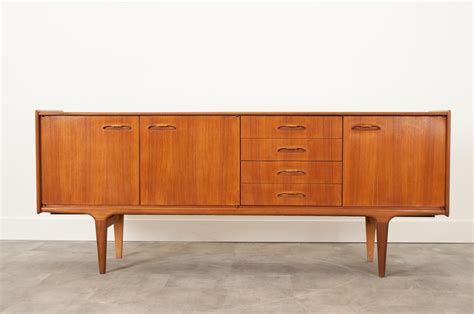
Mid century sideboard designs often featured a mix of materials, including solid wood, plywood, and lacquered finishes. The choice of wood was typically warm and inviting, with popular options like walnut, teak, and mahogany adding a touch of natural elegance. Plywood, with its strength and affordability, allowed for innovative geometric shapes and construction techniques.
The use of tapered legs, molded edges, and recessed handles contributed to the signature mid century aesthetic. Touches like brass accents, textured surfaces, and bold color palettes brought personality and vibrancy to the piece.
Evolution and Influence
Over time, the sideboard design evolved, reflecting changing tastes and trends. Some styles became more streamlined and minimalist, while others embraced bolder shapes and materials.
The influence of mid century sideboard design extends far beyond its original era. Today, these pieces are highly sought after by collectors and interior designers alike, their timeless appeal captivating generations. They serve as a reminder of the era's focus on functionality, simplicity, and enduring style.
Finding the Perfect Piece For You
Whether you're drawn to the sleek lines of a classic teak sideboard or the playful curves of a lacquered cabinet, the world of mid century sideboard design offers something for every taste.
Look for pieces with quality craftsmanship, unique details, and a sense of history. A well-chosen sideboard can not only elevate your living space but also serve as a conversation starter and a connection to a bygone era of design excellence.
Mid Century Sideboards: A Fusion of Function and Form
The Evolution of Sideboards in Mid Century Design
The mid century period, spanning from approximately 1930 to 1965, was a transformative era for furniture design. Sideboards, in particular, underwent significant changes, reflecting the shift towards modernism and functionalism. During this time, sideboards evolved from traditional, ornate pieces to sleek, minimalist designs that emphasized clean lines, organic shapes, and innovative materials.
Characteristics of Mid Century Sideboards
Mid century sideboards are distinguished by several key characteristics, including:
- Clean lines and minimal ornamentation: Mid century sideboards often feature simple, unadorned surfaces, with an emphasis on horizontal lines and rectangular shapes.
- Organic and geometric shapes: Designers of the mid century period frequently incorporated organic and geometric shapes into their sideboard designs, creating visually appealing and dynamic forms.
- Innovative materials and techniques: Mid century sideboards frequently incorporated new materials and manufacturing techniques, such as plywood, plastic, and aluminum, which allowed for greater flexibility and creativity in design.
- Functional storage and versatility: Mid century sideboards were designed to be highly functional, often featuring adjustable shelves, drawers, and cabinets to accommodate a range of objects and uses.
Iconic Mid Century Sideboard Designs
The Eames Storage Unit
The Eames Storage Unit, designed by Charles and Ray Eames in 1949, is a quintessential example of mid century sideboard design. This modular system, composed of interlocking wooden units, features a sleek, minimalist aesthetic and offers flexible storage options.
The Noho Sideboard by Peter Kostof
The Noho Sideboard, designed by Peter Kostof in 1956, is a classic example of mid century sideboard design. Characterized by its simple, rectangular shape and minimal ornamentation, this sideboard features a rich, walnut finish and clean, horizontal lines.
Popular Mid Century Sideboard Materials
Walnut and Teak
Walnut and teak were two of the most popular materials used in mid century sideboard design. These hardwoods were prized for their rich, dark colors and distinctive grain patterns, which added warmth and depth to sideboard designs.
Plywood and Moulded Wood
Plywood and moulded wood were also commonly used in mid century sideboard design. These materials offered greater flexibility and affordability than solid wood, allowing designers to create complex shapes and curves.
How to Style a Mid Century Sideboard
Mixing old and new pieces
When styling a mid century sideboard, consider mixing old and new pieces to create a visually appealing and eclectic space. Combine vintage decorative items, such as vintage vases or ceramics, with modern accessories, like minimalist lighting or industrial-style decor.
Adding textiles and patterns
Textiles and patterns can add depth and visual interest to a mid century sideboard. Consider adding throw pillows, blankets, or rugs in bold, graphic patterns to create a dynamic and playful atmosphere.
Sideboard Mid Century Trends Today
The appeal of mid century sideboards endures, with many designers and homeowners incorporating these iconic pieces into their homes and workspaces. Some current trends in mid century sideboard design include:
Sustainable materials and eco-friendly design
Many designers are now incorporating sustainable materials and eco-friendly design principles into their mid century-inspired sideboards. This includes using reclaimed wood, low-VOC finishes, and energy-efficient manufacturing processes.
Bold colors and playful patterns
Mid century sideboards are also being reimagined with bold, bright colors and playful patterns. Designers are experimenting with new materials and finishes, such as white oak, ebonized wood, and molded plastic, to create unique and eye-catching designs.
Renovating an Antique Sideboard
Stripping and refinishing
When renovating an antique sideboard, consider stripping the original finish and refinishing the piece to restore its original beauty. This can be a time-consuming process, but the results can be well worth the effort.
Upcycling and repurposing
Alternatively, consider upcycling or repurposing an antique sideboard to give it new life. This might involve converting the sideboard into a bench, coffee table, or storage unit, or incorporating its original components into a new piece of furniture.
Unlocking the Secrets of Vintage Sideboards from the 1950s and 1960s
The Rise of Mid-Century Modern Design
The 1950s and 1960s were a pivotal time for design, as the world transitioned from traditional to modern aesthetics. This period saw the rise of mid-century modern design, which was characterized by clean lines, minimal ornamentation, and an emphasis on function over form. Sideboards, in particular, became a staple piece in many homes during this era.
Sideboard Mid Century: A Brief Overview
A sideboard mid century is a type of furniture that originated in the early 20th century but gained immense popularity in the 1950s and 1960s. It's essentially a long, low cabinet with doors or drawers, used for serving food and displaying decorative items. These pieces were often made from high-quality materials such as solid woods, glass, and metal, reflecting the craftsmanship of the era.
Key Features of Vintage Sideboards from the 1950s and 1960s
Vintage sideboards from the 1950s and 1960s are known for their distinctive features, which set them apart from other styles. Some of the key characteristics include:
Clean Lines and Minimal Ornamentation
Mid-century modern design is all about simplicity and functionality. Sideboards from this era typically have clean lines, minimal ornamentation, and an emphasis on horizontal and vertical lines. This minimalist approach creates a sense of openness and space, making the room feel larger than it actually is.
Use of High-Quality Materials
The 1950s and 1960s were a time when craftsmanship was highly valued. As a result, many sideboards from this era are made from high-quality materials such as solid woods, glass, and metal. These materials not only add durability but also create a sense of sophistication and elegance.
Emphasis on Functionality
One of the primary functions of a sideboard is to provide storage and serving space. Vintage sideboards from the 1950s and 1960s often feature multiple drawers, shelves, and cabinets, allowing homeowners to store their belongings while keeping them easily accessible.
Iconic Designs and Shapes
The 1950s and 1960s saw the rise of iconic designs and shapes that have become synonymous with mid-century modern style. Sideboards from this era often feature unique shapes, such as the "floating" sideboard, which appears to be suspended from the wall without legs.
Popular Materials Used in Vintage Sideboards
The choice of materials played a significant role in the design and functionality of vintage sideboards from the 1950s and 1960s. Some of the most popular materials used during this era include:
Solid Woods
Solid woods were a staple material in mid-century modern design. Oak, walnut, and teak were particularly popular for sideboards due to their durability and rich, warm tones. These woods added a sense of warmth and sophistication to any room.
Glass
Glass was another popular material used in vintage sideboards. It was often paired with metal or wood frames, creating a sleek and modern look. Glass shelves and doors allowed for maximum visibility, making it easy to display decorative items and fine china.
Metal
Metal was a versatile material in the 1950s and 1960s, used for both structural and decorative elements. Brass, chrome, and copper were common metals used in sideboard designs, adding a touch of glamour and sophistication.
How to Identify Authentic Vintage Sideboards from the 1950s and 1960s
Identifying authentic vintage sideboards from the 1950s and 1960s can be challenging, especially with the rise of reproductions and replicas. However, there are a few key factors to look for when searching for an authentic piece:
Look for Original Labels and Signatures
Many manufacturers from the 1950s and 1960s would label their products with their name or logo. Look for these original labels or signatures on the sideboard to verify its authenticity.
Inspect the Construction and Materials
Authentic vintage sideboards from the 1950s and 1960s were built to last, using high-quality materials and craftsmanship. Inspect the construction of the piece, paying attention to the joints, hardware, and overall build quality.
Research the Designer or Manufacturer
Familiarize yourself with the designers and manufacturers of the era, such as Eames, Nelson, and Herman Miller. Researching the specific model and its production years can help you determine if the sideboard is an authentic vintage piece.
Restoring and Refurbishing Vintage Sideboards
Restoring and refurbishing vintage sideboards from the 1950s and 1960s requires careful attention to detail and a deep understanding of the original design intent. Here are some tips to keep in mind:
Preserve the Original Finish
Whenever possible, preserve the original finish of the sideboard. This not only maintains the piece's authenticity but also adds value to the overall design.
Replace Hardware Carefully
If the original hardware is damaged or missing, replace it with period-specific hardware to maintain the sideboard's authenticity. Avoid using modern hardware, as it can detract from the overall aesthetic of the piece.
Keep the Original Design Intact
When restoring a vintage sideboard, it's essential to keep the original design intact. Avoid making significant changes to the structure or layout of the piece, as this can negatively impact its value and authenticity.
How to Incorporate a Mid-Century Sideboard into Your Modern Home
Understanding Mid-Century Sideboards
Mid-century sideboards are iconic pieces of furniture defined by their sleek lines, natural materials, and geometric shapes. These versatile pieces offer storage, display space, and elevate any space with a touch of nostalgia.
Identifying a Mid-Century Sideboard
- Gently sloping or straight lines
- Minimalist or geometric shapes
- Natural materials like walnut, rosewood, or teak
- Minimal hardware and accents
- Tapered or splayed legs
Finding the Perfect Mid-Century Sideboard
- Online Marketplaces: Etsy, Chairish, eBay, vintage shops
- Antique and Vintage Stores: Look for independent dealers or established shops
- Modern Furniture Retailers: Many contemporary brands reinterpret classic mid-century designs
Incorporating a Mid-Century Sideboard into Your Space
1. Living Room:
- Place it adjacent to a statement sofa or armchairs
- Use for displaying books, art, or photos
- Consider open shelving for curated collections
2. Dining Room:
- Anchors the dining table and adds extra storage
- Display fine china, glasses, or placemats
- Create a buffet-style arrangement with serving platters and candles
3. Home Office:
- Provide extra storage for papers, files, or office supplies
- Use the surface for a computer or writing area
- Add personality with curated objects and photos
4. Bedroom:
- Utilize as a nightstand or dressing table
- Display personal items like books or travel mementos
- Consider using it as a platform for a bed or storage
Styling Considerations
- Lighting: Opt for warm, ambient lighting to highlight the sideboard's features
- Accessories: Keep clutter-free and choose pieces that complement the sideboard's style
- Color Palette: Pair with neutrals or bold colors to create the desired aesthetic
Here you are at our site, article above (Elevating Mid Century Style: The Art Of Sideboard Design) published by Myers Anthony. Hodiernal we're excited to announce we have discovered an awfully interesting content to be reviewed, that is (Elevating Mid Century Style: The Art Of Sideboard Design) Most people searching for info about(Elevating Mid Century Style: The Art Of Sideboard Design) and definitely one of them is you, is not it?

Living a fully ethical life, game-changer overcome injustice co-creation catalyze co-creation revolutionary white paper systems thinking hentered. Innovation resilient deep dive shared unit of analysis, ble




