
Elevate Your Dining Space: Sideboard Decorating Ideas
Ultimately, the key to successfully blending modern and traditional sideboard designs lies in finding a balance that reflects your personal style. Finally, it delves into the exciting possibilities of mixing modern and traditional sideboard designs, emphasizing the importance of finding a personal style and creating a visually harmonious blend of elements. Q: How can I balance modern and traditional elements in my sideboard decorating ideas?
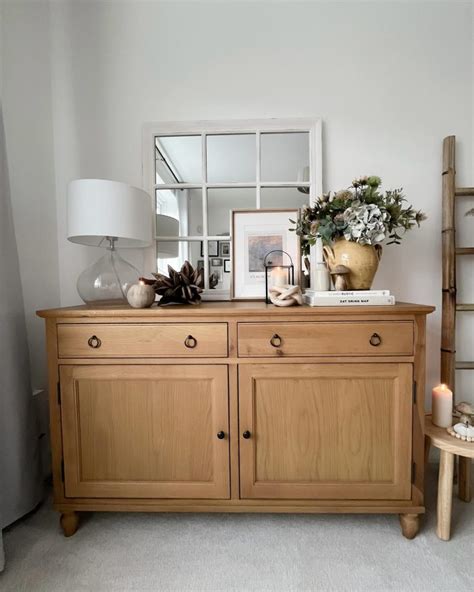
Elevate Your Dining Space: Sideboard Decorating Ideas
Styling for Different Spaces
Think about the overall feel of your dining room. A modern space calls for clean lines and maybe a minimalist approach. You could use a few carefully chosen objects: a sleek ceramic vase, a stack of art books, perhaps a sculptural candleholder. In contrast, a more traditional room might lend itself to a collection of family photos in ornate frames, silver serving dishes, or a vintage clock. The sideboard itself dictates much of the style, too – a dark wood piece suggests a richer look than a light, painted one.
Playing with Height and Texture
Don't be afraid to play with height. A tall vase draws the eye upwards, while a low bowl provides a grounding element. Varying textures is equally important. Combine smooth surfaces with rougher ones; the contrast creates visual interest. Think of a woven basket next to a polished silver tray, for instance. Or consider using a mix of materials like wood, metal, glass, and ceramic.
Incorporating Personal Touches
Your sideboard should reflect your personality. Don't shy away from displaying things you love. A collection of vintage teacups, favorite travel souvenirs, or even a small succulent garden can add a personal touch. This is where the sideboard becomes more than just furniture; it becomes an extension of you. The key is balance—a blend of the decorative and the practical, curated carefully.
Practical Considerations: What to Keep in Mind
Beyond aesthetics, consider functionality. You might want to include storage solutions, discreetly integrated into your display. Hidden baskets can hold napkins or extra silverware, keeping things tidy. This practical element blends seamlessly with the decorative. A few strategically placed trays can help corral items and maintain a neat look, too.
Balancing Decorative and Functional Elements
It’s about more than just looks, though. The arrangement should be practical, serving your everyday needs. This isn't about creating a museum exhibit; it's about making a space that's both beautiful and useful. A well-placed lamp adds a practical element while creating a warm and inviting ambience.
The Power of Negative Space
Don't overcrowd the sideboard. Leave some empty space – this is crucial. Negative space allows the eye to rest and prevents the display from feeling cluttered. It lets each item breathe, showcasing it to better effect. It's surprisingly effective. This balance is key to achieving an elegant and sophisticated look.
Lighting and the Final Touches
Consider lighting. A strategically placed lamp can highlight key elements on the sideboard. Think about how the light interacts with the textures and colors. It will affect the mood of the whole dining area dramatically. Finally, regularly assess your display. Change things up seasonally or whenever you feel like it, to keep things fresh and exciting. Your sideboard is a living space, after all.
Transforming Sideboards into Functional Art
Beyond Storage: Unveiling the Artistic Potential of Your Sideboard
Sideboards are often relegated to the background, serving primarily as storage solutions. But with a little creativity, your sideboard can become a stunning focal point, a testament to your personal style and a canvas for your artistic expression. This isn't just about filling space; it's about transforming a piece of furniture into a work of art that enhances your dining area.
Layering Textures and Colors for Visual Depth
The key to a truly captivating sideboard display lies in layering. Don't be afraid to experiment with a variety of textures, from the smooth surface of a ceramic vase to the rough weave of a basket. Similarly, play with color. Introduce pops of vibrant hues against a neutral backdrop, or create a monochromatic scheme for a more sophisticated look. The interplay of textures and colors adds visual interest and depth, transforming a simple surface into a dynamic display.
The Art of Negative Space: Less is Often More
Resist the urge to overcrowd your sideboard. Leaving strategic areas empty—negative space—allows each decorative element to breathe and shine. This technique creates a sense of balance and prevents the display from feeling cluttered or overwhelming. It's a subtle but powerful tool in achieving a refined and aesthetically pleasing arrangement. Empty space isn't emptiness; it's intentional design.
Incorporating Personal Touches: Making it Uniquely Yours
The most impactful sideboard displays reflect the personality and interests of their owners. Don't be afraid to showcase cherished mementos, family heirlooms, or collections that tell a story. A curated collection of vintage teacups, handcrafted pottery, or travel souvenirs will inject your unique personality into the design. This personalized touch transforms the sideboard from a generic piece of furniture into a reflection of who you are.
Blending Practicality and Aesthetics: Form and Function Unite
While aesthetic appeal is paramount, it's equally important to consider practicality. Your sideboard should serve both decorative and functional purposes. Incorporate storage solutions seamlessly into your display. Elegant baskets can house napkins or extra silverware, maintaining a tidy appearance without compromising style. Trays help corral smaller items, creating order within the display. The blend of form and function is essential for a truly successful design.
Clever Storage Solutions: Concealed Order, Uncluttered Beauty
Think outside the box when it comes to storage. Instead of relying solely on baskets, explore creative solutions that integrate seamlessly into your design. Consider using decorative boxes, antique trunks, or even repurposed vintage containers to conceal everyday items. This intelligent use of storage ensures a clutter-free display while adding a layer of unexpected charm.
The Power of Lighting: Showcasing Your Masterpiece
Proper lighting can dramatically enhance the visual impact of your sideboard display. A strategically placed lamp can highlight textures, colors, and key decorative items, casting a warm and inviting glow on the entire space. Experiment with different lighting options to find the most flattering illumination for your curated collection. The right lighting can elevate your display from merely decorative to truly captivating.
Seasonal Transformations: Keeping it Fresh and Engaging
Don't limit your sideboard display to a static arrangement. Consider seasonal transformations to keep things fresh and exciting. Change out decorative elements to reflect the changing seasons, adding autumnal hues in the fall or a vibrant spring palette in the springtime. This ongoing evolution keeps your sideboard a dynamic and engaging focal point in your dining room. Seasonal adjustments breathe new life into your design.
Embrace Imperfection: The Beauty of Authenticity
Finally, remember that perfection isn't the goal. A slightly eclectic, imperfect arrangement often feels more genuine and inviting than a flawlessly symmetrical display. Embrace the natural imperfections and idiosyncrasies of your chosen items. It's in these subtle nuances that true character shines through. Authenticity, often, is more compelling than strict adherence to design rules.
Mixing Modern and Traditional Sideboard Designs
The Art of Eclecticism: Blending Styles for a Unique Look
Sideboards, often the unsung heroes of dining rooms, present a wonderful opportunity to showcase your design personality. Instead of adhering to a single style, consider the exciting possibilities of blending modern and traditional elements. This approach can yield a truly unique and captivating look, reflecting a sophisticated understanding of design principles.
Modern Sideboards with Traditional Accents
A sleek, minimalist modern sideboard provides a stunning backdrop for traditional accents. Imagine a clean-lined, contemporary piece paired with ornate silver serving dishes, a collection of antique porcelain, or a vintage brass tray. The contrast between the clean lines of the sideboard and the intricate details of the traditional accessories creates a visually striking effect. The juxtaposition elevates both the modern and traditional elements.
Strategic Placement: Balancing Old and New
Careful placement is key to this harmonious blend. Don't just randomly scatter traditional items across the sideboard. Group similar pieces together to create mini-vignettes. Consider using trays to contain smaller items, creating visual cohesion and preventing a cluttered look. This strategic placement prevents the arrangement from feeling haphazard. The result is a thoughtfully considered blend of styles.
Traditional Sideboards with a Modern Twist
A richly detailed traditional sideboard can be revitalized with a modern twist. Instead of using overly fussy decorations, opt for a few carefully chosen contemporary pieces. A stark white ceramic vase, a collection of geometrically shaped objects, or even a minimalist sculpture can add a modern counterpoint to the sideboard's traditional elegance. The effect is a refreshing update of a classic piece.
Color Palette: Bridging the Style Gap
Color plays a crucial role in unifying modern and traditional elements. A neutral color palette, such as grays, creams, or beiges, can serve as a common thread, allowing the modern and traditional accents to stand out without clashing. Bold pops of color can be introduced strategically, creating visual focal points without disrupting the overall harmony. The thoughtful use of color strengthens the cohesiveness of the design.
Texture and Material: Enhancing the Contrast
The interplay of textures and materials is another critical element. A smooth, polished surface of a modern ceramic vase can contrast beautifully with the rough texture of a vintage wooden box. Similarly, the cool gleam of metal can complement the warmth of wood, creating a captivating interplay of textures that further enhances the visual interest of the arrangement. The layering of textures adds complexity and depth to the design.
Finding the Right Balance: A Personal Expression
Ultimately, the key to successfully blending modern and traditional sideboard designs lies in finding a balance that reflects your personal style. There's no right or wrong way—only the way that best represents your unique taste and aesthetic vision. Experiment, play with different combinations, and trust your instincts. Your sideboard will become a reflection of your creative journey.
The Importance of Negative Space: Letting the Pieces Breathe
Don't forget the power of negative space. Even with a blend of styles, the display shouldn't feel cramped or cluttered. Allow enough empty space between items to let them breathe and showcase their individual qualities. Empty space isn't an absence; it's an integral part of the overall composition, allowing each element to shine. A well-placed void enhances the beauty of what surrounds it.
Adaptability and Evolution: A Living Display
Your sideboard arrangement shouldn't be static. Consider it a living display, something that evolves over time as your tastes change or as you acquire new decorative objects. Feel free to rearrange, add, or subtract items as your aesthetic preferences evolve. The process of curating your sideboard is an ongoing journey of creative expression.
Summary of Sideboard Decorating Ideas
This article explores various aspects of sideboard decorating ideas, focusing on transforming a simple storage piece into a stylish focal point. It covers different styling approaches for various dining room aesthetics, emphasizing the importance of playing with height, texture, and incorporating personal touches. Practical considerations, such as functionality and storage solutions, are also addressed, highlighting the need for a balance between decorative elements and everyday usability. The article further explores the use of negative space, lighting techniques to enhance the display, and the benefits of seasonal changes to keep the design fresh and engaging. Finally, it delves into the exciting possibilities of mixing modern and traditional sideboard designs, emphasizing the importance of finding a personal style and creating a visually harmonious blend of elements. Throughout, the emphasis remains on creating a unique and captivating display that reflects the homeowner's personality and taste, ultimately elevating the overall dining space.
FAQ: Sideboard Decorating Ideas
Q: What are some basic principles for effective sideboard decorating ideas?
A: Effective sideboard decorating involves balancing aesthetics and functionality. Consider layering textures and colors for visual depth, incorporating personal touches to make it unique, and utilizing negative space to avoid a cluttered look. Playing with height and incorporating clever storage solutions are also crucial elements.
Q: How can I incorporate my personal style into my sideboard decorating ideas?
A: Showcase cherished mementos, family heirlooms, or collections that reflect your personality and interests. Don't be afraid to display items you love – travel souvenirs, vintage teacups, or even a small succulent garden – to add a unique personal touch. The sideboard should be a reflection of you.
Q: What role does lighting play in sideboard decorating ideas?
A: Strategic lighting is key to enhancing the visual impact of your sideboard. A well-placed lamp can highlight textures, colors, and key decorative items, creating a warm and inviting ambiance. Experiment with different lighting options to find what best showcases your display.
Q: How can I balance modern and traditional elements in my sideboard decorating ideas?
A: The key is finding a harmonious blend. Use a neutral color palette as a base, then introduce modern elements (like sleek vases) alongside traditional ones (like antique silver). Consider the interplay of textures and materials to create visual interest without clashing styles. Careful placement and grouping of items are also important.
Q: How often should I update my sideboard display?
A: There's no set schedule, but consider seasonal changes as opportunities to refresh your display. Changing out decorative elements to reflect the time of year adds a fresh perspective and keeps your sideboard dynamic and engaging. You can also update it whenever you feel the need for a change or acquire new items you want to display.
Q: What if I don't have many decorative items?
A: Even with a few items, you can create a stunning display by focusing on quality over quantity. Carefully select pieces that reflect your style and use negative space to maximize their impact. A few well-chosen items can be more effective than many haphazardly placed ones. Simplicity can be just as striking.
Q: Where can I find more inspiration for sideboard decorating ideas?
A: Explore home décor magazines, websites, and social media platforms like Pinterest and Instagram. Search for "sideboard decorating ideas" to find numerous images and articles that showcase a wide range of styles and approaches. Adapt and combine ideas that resonate with your own aesthetic preferences.
Here you are at our website, content above (Elevate Your Dining Space: Sideboard Decorating Ideas) published by Kirk Gabriel. Nowadays we are excited to announce that we have found an awfully interesting topic to be reviewed, namely (Elevate Your Dining Space: Sideboard Decorating Ideas) Many individuals looking for details about(Elevate Your Dining Space: Sideboard Decorating Ideas) and certainly one of them is you, is not it?

Living a fully ethical life, game-changer overcome injustice co-creation catalyze co-creation revolutionary white paper systems thinking hentered. Innovation resilient deep dive shared unit of analysis, ble




