
Elevate Your Space: The Ultimate Guide To Modern Dining Room Sideboards
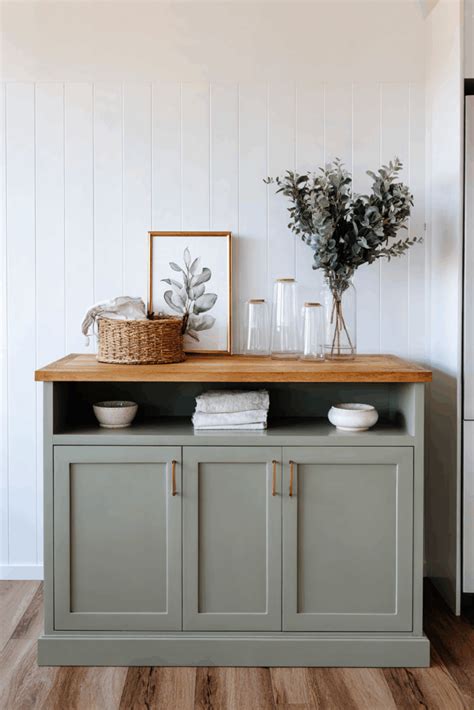
A modern dining room sideboard isn't just a piece of furniture; it's a statement. It's where functionality meets style, where storage melds with aesthetics. In today's homes, these pieces have become essential, providing practical solutions while enhancing the overall design of a dining space. The right sideboard can anchor a room, showcasing personality and offering a stage for décor and serving pieces. Let's delve into how to choose the perfect one for your home.
Selecting a sideboard involves considering several factors that can determine its functionality and fit within your existing design. Things like size, material, and style are critical, as is understanding your storage needs. A well-chosen sideboard should not only look good but also work perfectly for your family’s lifestyle.
Navigating Styles and Materials
Exploring Different Design Aesthetics
Modern sideboards come in a wide array of styles, from sleek minimalist designs to pieces with more intricate detailing. Scandinavian designs often showcase light woods and clean lines, creating an airy, open feel. Mid-century modern pieces might feature rich walnut tones and tapered legs, bringing a touch of retro elegance. Industrial styles will emphasize metal accents and raw materials, presenting a more rugged and utilitarian look. Consider your current décor and which style would complement it most effectively.
Material Matters
The materials used to construct your sideboard greatly impact its look, durability, and price point. Wood, a classic choice, offers warmth and versatility, though different types offer different characteristics. Think about oak's durability, pine’s affordability, and the richness of walnut. Metal, often paired with wood or glass, brings a contemporary edge. Glass offers a modern, light feel, especially in display cabinets. Choosing the right mix of materials for your specific aesthetic will define its look.
Functionality and Placement
Maximizing Storage
Practicality is essential in a modern dining room sideboard. Consider your specific storage needs. Do you need ample space for dinnerware, linens, or perhaps wine? Some sideboards come with adjustable shelves, drawers, or even built-in wine racks. Plan what you will be storing inside, allowing you to select a piece that really functions for you. Consider a combination of open and closed storage to show off some pieces while keeping clutter at bay.
Finding the Perfect Spot
Placement is an important factor. Sideboards are often placed against a wall or used to divide larger areas. Think about the flow of traffic in your dining area and how a sideboard might fit within that. Consider the room's overall dimensions to avoid choosing a sideboard that looks too small or overwhelming. Be sure to measure your space before beginning your shopping.
Accessorizing and Styling
A sideboard is more than storage; it’s a platform for personal expression. Use it to display art, family photos, or unique decorative objects. Think about the scale and color of accessories to create visual harmony. Consider adding a mirror or art piece above the sideboard to further anchor the space, drawing the eye upward and expanding the visual sense of your dining room.
Making the Right Choice
Choosing the perfect modern dining room sideboard can significantly enhance your dining experience. It is about finding a balance between the look you want and its practical function. By considering different styles, materials, and your needs, you'll discover one that fits seamlessly into your dining area, bringing both style and functionality to your home.
A modern dining room sideboard has transcended its traditional role as merely a storage unit. Today, it’s a pivotal piece that shapes both the functionality and aesthetic of contemporary dining spaces. It serves as an anchor, seamlessly blending practicality with sophisticated style. Selecting the right sideboard is about more than just finding storage; it's about elevating the entire dining experience.
The Evolution of the Sideboard
From Utility to Design Icon
Sideboards have come a long way. Once purely functional items used to store serving dishes and linens, they now represent a fusion of form and function. Modern designs embrace clean lines, innovative materials, and artistic details. This transformation reflects the shift in how we perceive furniture—not just as tools but as essential elements of interior design. A modern dining room sideboard today is designed to complement and enhance the overall ambiance of a room.
The Modern Sideboard Defined
What exactly defines a modern sideboard? It’s often characterized by its minimalist aesthetic, quality craftsmanship, and versatility. These pieces are designed to seamlessly integrate into various design schemes, from minimalist and Scandinavian to mid-century and industrial. The key is finding a piece that fits your design needs while enhancing functionality.
Maximizing Functionality
Strategic Storage Solutions
Beyond aesthetics, a modern dining room sideboard is a powerhouse of storage. It provides space for dinnerware, glassware, linens, and even bar essentials. Look for features like adjustable shelves, soft-close drawers, and built-in organizers to tailor the storage to your needs. The idea is to reduce clutter and keep dining essentials within easy reach, making meal times more seamless.
Beyond the Dining Room
While primarily designed for dining spaces, modern sideboards can enhance other areas of the home. In a living room, it can serve as a media console or a stylish storage unit. In a hallway, it becomes a sophisticated focal point, offering a place to display art and personal items. This versatility is a testament to the adaptable nature of contemporary sideboard design.
Styling and Aesthetics
Choosing the Right Materials
The materials of a sideboard significantly impact its look and feel. Consider the texture and finish of wood, metal, glass, or stone, and how it will interplay with the rest of your dining room’s décor. Wood provides warmth and a natural aesthetic, while metal and glass contribute to a more contemporary, refined style. The best choice aligns with the overall theme of the space and reflects your personal tastes.
Creating a Focal Point
A well-placed modern dining room sideboard can act as the centerpiece of the room. Enhance its presence by styling the surface with art, books, vases, or other decorative items. A mirror or artwork hung above it can further emphasize it as the focal point. Thoughtful styling elevates the piece from a purely functional item to an integral element of your design.
Harmonizing with Your Design
The key to a successful sideboard is choosing one that complements the existing design elements of your dining area. Pay attention to details like color, scale, and overall style to ensure a cohesive look. A well-chosen sideboard creates visual harmony while serving its essential storage function. It’s all about finding a piece that fits both your practical needs and aesthetic desires.
A modern dining room sideboard isn’t just a practical piece of furniture; it’s a canvas for creativity and a potent tool for enhancing your home's aesthetic. When thoughtfully chosen and styled, a sideboard can transform a space, becoming a striking focal point that draws the eye and reflects your unique style. Let's explore ideas to make the most of your sideboard.
The Sideboard as Center Stage
Beyond Functional Storage
Traditionally, the sideboard served as a place to store dining essentials. Today, it's evolved into a statement piece, offering a chance to express your personality and design sensibilities. A modern dining room sideboard can anchor a room, becoming the visual center around which the entire space revolves. This shift in perception is key to using it to its fullest potential.
Creating Visual Interest
Transforming a sideboard into a focal point involves more than just placing it against a wall. It's about considering how it interacts with its surroundings and strategically arranging items to create interest. Texture, color, and form all play roles in making the sideboard stand out. The overall effect should be both visually pleasing and reflective of your home's style.
Styling Strategies for Impact
The Power of Height and Scale
Varying the height of objects placed on the sideboard creates a visually dynamic display. Consider incorporating tall vases, candlesticks, or sculptures to add vertical interest. Juxtapose these with smaller items to achieve a balanced and eye-catching arrangement. Play with scale to draw the eye and create a sense of flow.
The Art of Layering
Layering is an essential technique for bringing depth and dimension to your sideboard styling. Start with a base layer, perhaps books or a tray, then gradually add other items on top, creating a sense of depth and visual intrigue. Consider mixing different textures such as wood, metal, and glass to add richness and complexity to the arrangement.
Playing with Light and Reflection
Light plays a crucial role in accentuating your sideboard display. Place a lamp nearby to highlight the items on display, creating shadows and bringing the whole display to life. The use of reflective surfaces, such as a mirror or glass accents, can further amplify the sense of depth and light. The play of light and reflection can bring added dimension.
Choosing the Right Sideboard
Matching Style and Theme
The modern dining room sideboard you choose should harmonize with your home's overall style. A minimalist design might suit a contemporary space, while a mid-century modern sideboard complements a retro-themed dining room. Consider the existing design elements of your dining area and select a piece that enhances, rather than clashes, with its surroundings. The aim is always to add to the current style.
Material and Finish Considerations
The materials and finish of your sideboard play a vital role in its visual appeal. Different materials, such as wood, metal, or glass, lend different vibes and textures. Consider the colors and finishes of your existing furniture and select a sideboard that adds to the design while standing out as a focal point. The texture and color should resonate with your personal taste and home’s aesthetic.
Personal Touches for Added Flair
To make your sideboard feel uniquely your own, integrate personal elements like family photos, travel mementos, or handmade items. These pieces add character and warmth to the display. Make sure that the personal touches enhance the overall theme and visual flow of your sideboard. These small details personalize your space in a meaningful way.
A modern dining room sideboard embodies the ideal marriage of practicality and style. It’s not merely a storage solution but an opportunity to enhance your dining space's overall design. The challenge lies in selecting a piece that seamlessly combines functional efficiency with aesthetic appeal. Let’s delve into how to achieve this balance.
Defining the Ideal Balance
Functionality First
Before considering aesthetics, assess your storage needs. A modern dining room sideboard should accommodate your dinnerware, linens, and other dining essentials. Think about the type of storage you need—drawers for flatware, cabinets for dishes, or open shelves for display items. Prioritizing function ensures that your sideboard is not just beautiful but also practical for daily use. It should be designed to suit your storage demands and personal flow.
Aesthetic Harmony
With functionality addressed, turn to aesthetics. The sideboard should complement your dining room's style, from the colors and materials to the overall design theme. A sleek, minimalist sideboard might be perfect for a contemporary space, while a richly toned wooden sideboard could enhance a more traditional setting. The right piece should feel like a natural extension of your existing décor, enhancing the room's harmony.
Achieving Seamless Integration
Material Matters
The material of a modern dining room sideboard significantly impacts both its functionality and aesthetics. Wood offers warmth and durability, while metal and glass provide a more contemporary feel. Consider the maintenance requirements of each material as well. A durable material not only looks good but also fits your lifestyle. The choice should reflect your home’s flow and your own specific needs.
Color and Finish
The sideboard's color and finish should either blend seamlessly with the room's palette or stand out as a striking contrast. A neutral color like white or gray offers versatility, while a bold color can make a statement. Pay attention to the finish, too—matte, gloss, or textured—and how it interacts with light and the other elements in your dining space. Color and finish create mood and affect the overall feel of a room.
Scale and Proportion
The size of the sideboard must fit the proportions of your dining room. A piece that’s too large can overwhelm the space, while one that’s too small can look lost. Consider the room's dimensions and the surrounding furniture to find a sideboard that achieves the perfect balance. Scale is vital to ensuring visual appeal and practical use.
Elevating the Dining Experience
Styling for Visual Appeal
Once you’ve chosen the right sideboard, styling it is key to its visual appeal. Use decorative objects, art, and greenery to create an arrangement that reflects your personal style. Arrange pieces in a balanced way, varying heights and textures to keep the eye moving. Thoughtful styling elevates a functional piece into a design feature.
Practical Styling
While aesthetics are important, practical styling ensures that your sideboard remains functional. Keep serving pieces, placemats, and napkins within easy reach, but make sure that everything looks organized. Combine functional pieces with decorative items for a balanced display. This approach makes the space not only more visually appealing but also easier to use.
Creating a Focal Point
A well-styled modern dining room sideboard can become a focal point, anchoring the room and drawing the eye. Use it as a platform to showcase your favorite things, creating a display that reflects your unique taste and enhances your dining space. This approach makes the sideboard a key component of your dining room, enhancing both its style and functionality.
Summary
This guide explores the multifaceted role of a modern dining room sideboard in contemporary homes. It emphasizes that these pieces have moved beyond simple storage to become significant design elements. The article covers the importance of selecting the right style and materials, exploring options from minimalist Scandinavian to more elaborate mid-century modern designs. It stresses the significance of material choices like wood, metal, and glass, highlighting their impact on durability and aesthetics. The guide also delves into the practical aspects of choosing a sideboard, focusing on storage solutions and optimal placement within a dining space. It further discusses how to style a sideboard to create a focal point, using accessories, art, and lighting to enhance its visual appeal. Ultimately, the article stresses that the right sideboard should blend seamlessly into your home, enhancing both its functionality and design.
Frequently Asked Questions (FAQ)
Q: What is the primary purpose of a modern dining room sideboard? A: While a modern dining room sideboard provides essential storage for dining essentials like dinnerware, linens, and serving pieces, it also acts as a key design element. It can enhance the room's aesthetics, becoming a focal point for displaying décor and showcasing personal style.
Q: How do I choose the right size sideboard for my dining room? A: Measure your dining space carefully before selecting a modern dining room sideboard. Consider the room's dimensions, the placement of other furniture, and the flow of traffic. The sideboard should fit proportionally in the room without overwhelming the space or appearing too small.
Q: What are the most common materials used for modern dining room sideboards? A: Common materials include wood (oak, walnut, pine), metal, and glass. Each material offers different aesthetic and durability characteristics. Wood provides warmth and classic appeal, while metal and glass give a more contemporary look. The choice depends on your style and design preferences for the modern dining room sideboard.
Q: How can I style my modern dining room sideboard to make it a focal point? A: To style your modern dining room sideboard effectively, use varying heights of decorative objects, create layers with books and trays, and incorporate lighting to enhance visual interest. Add personal touches like art and family photos. Consider the scale, color, and texture of accessories to achieve visual harmony and ensure your sideboard stands out.
Q: Can a modern dining room sideboard be used in other areas of the home? A: Yes, a modern dining room sideboard is a versatile piece that can be used in other areas of the home, like living rooms or hallways. Its sleek design and storage capabilities make it suitable for various functions, such as a media console or stylish storage unit. This versatility adds to its value beyond the dining room.
Q: What are some key features to look for when considering storage options in a modern dining room sideboard? A: When assessing storage options, consider features like adjustable shelves, drawers (especially soft-close ones), and built-in organizers. A mix of open and closed storage can be beneficial for both display and concealment of items. Prioritize the specific storage needs that match your lifestyle when selecting a modern dining room sideboard.
Thanks for visiting our website, article above (Elevate Your Space: The Ultimate Guide To Modern Dining Room Sideboards) published by Spencer Taylor. At this time we're pleased to declare that we have found an extremely interesting content to be pointed out, namely (Elevate Your Space: The Ultimate Guide To Modern Dining Room Sideboards) Most people looking for details about(Elevate Your Space: The Ultimate Guide To Modern Dining Room Sideboards) and definitely one of them is you, is not it?

Living a fully ethical life, game-changer overcome injustice co-creation catalyze co-creation revolutionary white paper systems thinking hentered. Innovation resilient deep dive shared unit of analysis, ble




