
10 Design Principles To Style A Midcentury Modern Sideboard
To style a midcentury modern sideboard, consider the following principles: Midcentury modern sideboards have been a staple in home decor for decades, offering both functionality and style to any room. Midcentury modern sideboards are known for their distinctive design elements, which include: Midcentury modern sideboards often feature clean lines and simple shapes, reflecting the emphasis on functionality and minimalism that defined the era. One of the key principles of midcentury modern design is the emphasis on functionality
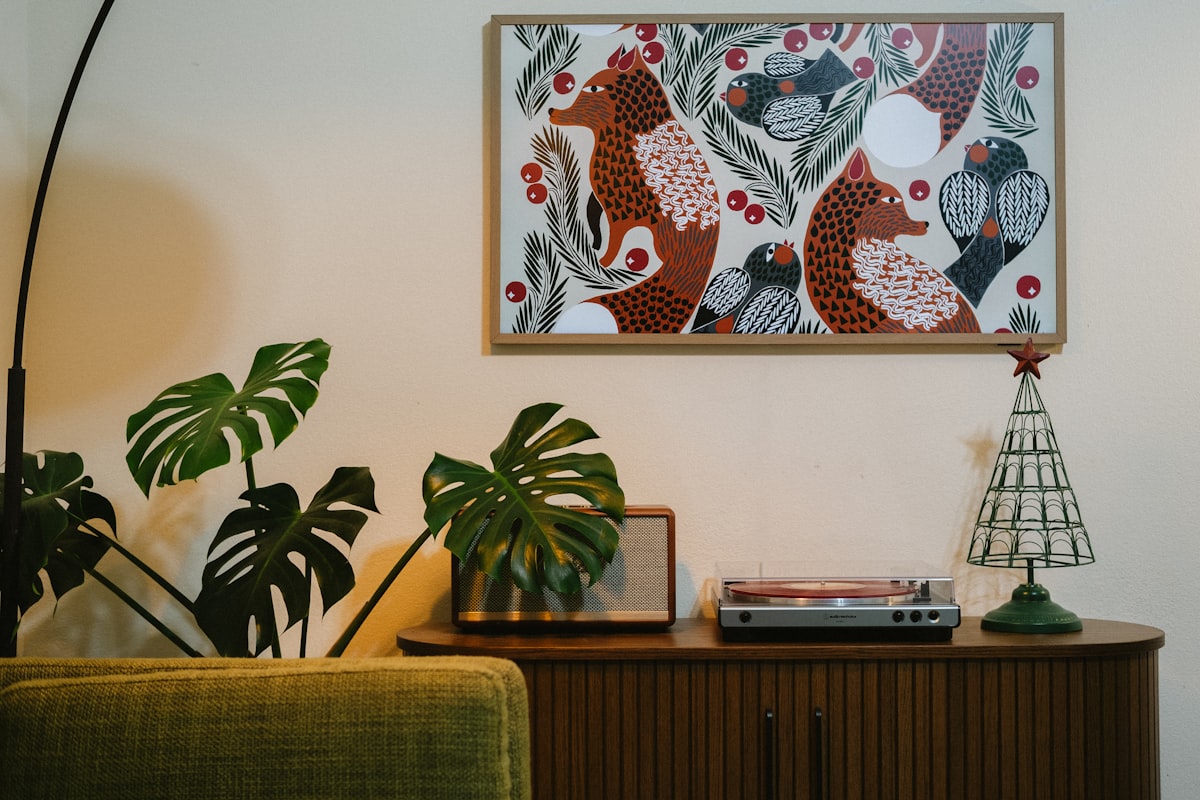
10 Design Principles to Style a Midcentury Modern Sideboard
Conceptualizing the Aesthetic
When it comes to designing a midcentury modern sideboard, the main goal is to achieve that signature 1950s and 60s charm while paying homage to the iconic era. To style a midcentury modern sideboard, consider the following principles:
Balance
- Pair curved and straight lines to create visual interest
- Combine organic shapes, such as the legs of a sideboard, with clean, linear features
- Counterbalance volume with negative space to maintain a sense of equilibrium
Emphasis
- Utilize rich textures, such as walnut or teak, to add depth and sophistication
- Ensure central elements, like the sideboard's face or a decorative ledge, take center stage
- Avoid overwhelming the design with too many busy patterns or embellishments
Focal Point
- Spotlights or statement lighting above a sideboard can attract attention and create ambiance
- Center a beautiful vase or sculptural artwork above the sideboard to create visual interest
- Avoid obstructions by placing lighting far enough away to create defined pools of light
Line
- Mix high and low lines to add visual dynamicism
- Combine gentle curves with sharp angles to create a harmonious balance
- Use line to direct the eye and create a sense of flow through the space
Mass
- Use scale and proportion to create a sense of importance
- Balance massive furniture with more delicate elements to maintain visual harmony
- Take advantage of an upper cabinet to minimize visual mass
Pattern
- Consider the era's love affair with bold, graphic patterns
- Mix high-contrast and low-contrast patterns for visual interest
- Balance large-scale patterns with smaller prints or solid colors
Proportion
- Consult midcentury design standards to inform scale and furniture choices
- Use size to dictate hierarchy within a room
- Verify the proportion balance isn't disrupted when considering items for your sideboard
Unity
- For a classic look, choose finishes, textures, and hues from the same era
- Mix wood varieties or polished and matte finishes for visual interaction
- Balance visual disconnects by repeating elements throughout your space
Midcentury Modern Sideboards: A Brief History
The Evolution of Midcentury Modern Sideboards: A Brief History
Midcentury modern sideboards have been a staple in home decor for decades, offering both functionality and style to any room. But where did this design movement come from? Let's dive into the history of midcentury modern sideboards.
Early Beginnings
The midcentury modern movement emerged in the 1930s and continued until the 1960s. It was characterized by clean lines, organic shapes, and an emphasis on function over form. This design aesthetic was influenced by several factors, including the rise of mass production, advancements in technology, and changes in societal values.
Post-War Era
Following World War II, there was a surge in suburban development as families moved away from cities and into newly built homes. As a result, there was a growing need for furniture that could fit into these smaller spaces while still providing ample storage and serving areas. Midcentury modern sideboards answered this call, becoming a popular choice for homeowners during this period.
Design Elements
Midcentury modern sideboards are known for their distinctive design elements, which include:
Clean Lines and Simple Shapes
Midcentury modern sideboards often feature clean lines and simple shapes, reflecting the emphasis on functionality and minimalism that defined the era. These designs were meant to be sleek and uncluttered, allowing them to blend seamlessly into any room.
Organic Materials
Organic materials such as wood, leather, and rattan were commonly used in midcentury modern sideboards. These materials added warmth and texture to the space, creating a cozy atmosphere that was characteristic of the era.
Emphasis on Functionality
One of the key principles of midcentury modern design is the emphasis on functionality. Sideboards from this era often included features like built-in cabinets, drawers, and shelves, making them highly practical for everyday use.
Notable Designers
Several notable designers contributed to the development of midcentury modern sideboards, including:
Charles and Ray Eames
The Eameses were a husband-and-wife design team who created some of the most iconic pieces of midcentury modern furniture. Their contributions to the sideboard genre include the Eames Storage Unit, which features a modular design and can be customized to fit different spaces.
George Nelson
George Nelson was another influential designer during the midcentury modern era. His work often incorporated elements of minimalism and functionality, as seen in his iconic Nelson Bench, which doubles as a sideboard and additional seating.
Eero Saarinen
Eero Saarinen, a Finnish-American architect and designer, is best known for his work on the Tulip Table and Womb Chair. However, he also designed several sideboards that reflect the midcentury modern aesthetic, featuring clean lines, organic shapes, and an emphasis on functionality.
Legacy of Midcentury Modern Sideboards
Today, midcentury modern sideboards continue to be popular in home decor. Their timeless design and practicality make them a versatile choice for any room, from dining areas to living rooms. Whether you're looking for a vintage piece or a modern interpretation, midcentury modern sideboards offer a unique blend of style and functionality that transcends generations.
Midcentury Modern Sideboard: Bring Warmth and Texture with Organic Materials and Patterns
Embrace Natural Aesthetics
Midcentury modern design emphasizes clean lines, natural materials, and organic shapes. A well-chosen sideboard can enhance this aesthetic, adding warmth, texture, and functionality to the space. By embracing the natural qualities of materials like wood and stone, you can create a cohesive and inviting atmosphere.
Material Selection: Finding the Perfect Touch
- Wood: Opt for rich, warm woods like walnut or teak for a classic midcentury feel. Consider using contrasting woods to add visual interest.
- Stone: Natural stone surfaces like granite or quartzite exude elegance and durability.
- Glass: Translucent glass panels can add a touch of modernism while allowing light to filter through.
Patterns that Inspire
- Geometric shapes: Linear patterns and circles are prevalent in midcentury design. Incorporate these patterns through hardware, inlays, or even the design of the sideboard itself.
- Organic motifs: Abstract representations of natural elements like leaves, flowers, or branches add warmth and connection to the space.
- Fractal patterns: Create visual intrigue with patterns that repeat in complex, branching forms.
Functionality Meets Aesthetics
When choosing a sideboard, consider the following:
- Storage space: Look for a design with multiple compartments and shelves to keep your belongings organized.
- Height: Ensure the sideboard is at a comfortable height for interaction with the surrounding space.
- Materials and finishes: Consider the durability and aesthetic qualities of the materials used.
Finishing Touches
- Lighting: Strategic lighting can enhance the visual interest and functionality of the sideboard.
- Hardware: Choose hardware that complements the design style and materials used.
- Accesories: Add personal touches with decorative items like vases, sculptures, or books.
Here you are at our website, article above (10 Design Principles To Style A Midcentury Modern Sideboard) published by Howarth Leo. Nowadays we're excited to announce that we have discovered an awfully interesting topic to be reviewed, namely (10 Design Principles To Style A Midcentury Modern Sideboard) Lots of people looking for information about(10 Design Principles To Style A Midcentury Modern Sideboard) and definitely one of these is you, is not it?

Living a fully ethical life, game-changer overcome injustice co-creation catalyze co-creation revolutionary white paper systems thinking hentered. Innovation resilient deep dive shared unit of analysis, ble




