
Elevating Style With Function: A Guide To Decorating A Sideboard Table
Consider the size of the room, the style of your home, and the functionality you need when choosing a sideboard table. Once you have chosen your sideboard table, it's time to select the decorative items that will elevate its style. The goal is to create a balanced and harmonious look that adds style and functionality to your sideboard table
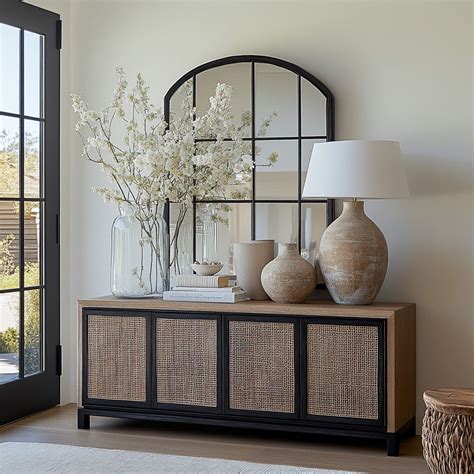
Elevating Style with Function: A Guide to Decorating a Sideboard Table
Choosing a Sideboard Table
When it comes to decorating a sideboard table, the first step is to select the right piece of furniture. A sideboard table is a unique piece that serves as a buffet or a serving area in the dining room or living room. It can be a cabinet-style or open-shelf design, with drawers or no drawers. Consider the size of the room, the style of your home, and the functionality you need when choosing a sideboard table.
Factors to Consider
- Space constraints: Measure the wall space where you plan to put the sideboard table to ensure it fits comfortably.
- Style: Sideboards come in a variety of styles, from modern to traditional, so choose one that matches your home decor.
- Functionality: Consider how you plan to use the sideboard table, such as storing dishes, serving food, or displaying decorative items.
Selecting Decorative Items
Once you have chosen your sideboard table, it's time to select the decorative items that will elevate its style. The key is to strike a balance between functionality and aesthetics.
Types of Decorative Items
- Picture frames: Hang framed photographs or artwork above the sideboard table or on the walls nearby to add visual interest.
- Vases and centerpieces: Use vases or centerpieces to add a pop of color and texture to the room.
- Decorative objects: Display decorative objects, such as sculptures, vases, or collectibles, on the shelves or top of the sideboard table.
Themes and Concepts
- Whimsical: Add playful elements, such as playful vases or decorative objects, to create a whimsical atmosphere.
- Monochromatic: Choose decorative items in a single color scheme to create a cohesive look.
- Collection-based: Display a collection of items, such as vintage dishes or antique decorative objects, to add a personal touch.
Displaying and Arranging Decorative Items
The final step is to display and arrange your decorative items in a visually appealing way. The goal is to create a balanced and harmonious look that adds style and functionality to your sideboard table.
Tips for Arranging Decorative Items
- Balance: Distribute the weight of the decorative items to create a balanced look.
- Height: Vary the height of the decorative items to create visual interest.
- Negative space: Leave some empty space between the decorative items to prevent clutter.
Showing Off Your Sideboard Table
- Decorate the sideboard table's drawers or shelves to create a cohesive look.
- Add lightingto highlight the decorative items and create ambiance.
- Consider adding a runner or a mat to the top of the sideboard table to create a cohesive look.
Mixing and Matching
One of the best things about decorating a sideboard table is the freedom to experiment and mix different styles, themes, and concepts.
Creating a Focal Point
- Choose a statement piece, such as a bold vase or a decorative object, to create a focal point in the room.
- Use a paint or a rug to create a cohesive look in the room.
- Bring in natural elements, such as plants or a vase with fresh flowers, to add texture and interest to the sideboard table.
Personal Touches
- Add personal touches, such as family photos or artwork, to make the sideboard table a reflection of your personality.
- Display a collection of items that hold sentimental value, such as vintage dishes or antique decorative objects.
- Create a functional space, such as a storage area for kitchen items or a display area for cookbooks.
Transforming a Focal Point with Textures and Patterns
Choosing the Right Sideboard Table
First, consider the size and style of your sideboard table. Do you want a long, narrow console table to hold everyday essentials? Or a stately piece with ample storage space? Choose a piece that complements your existing furniture and the overall design aesthetic of your room.
Style Matters
Think about the style of your home. A classic, traditional sideboard may suit a formal dining room, while a sleek, modern piece might be more fitting for a contemporary living space.
Adding a Splash of Personality
Once you've chosen your sideboard, it's time to add personality with textures and patterns.
Layering Textures
Create visual interest by layering different textures together.
-
Smooth Metals: A sleek metallic vase or a set of mirrored trays can add a touch of sophistication.
-
Linen and Cotton: Incorporate linen tablecloths, cotton napkins or woven baskets for a more relaxed feel.
-
Natural Wood: Wooden bowls, serving trays, or decorative blocks bring warmth and a touch of the outdoors.
Playful Patterns
Don't shy away from using patterns.
-
Geometric Accents: A patterned rug or a set of geometric-print coasters can add a modern edge.
-
Floral Arrangements: Seasonal floral arrangements add a touch of color and whimsy.
-
Artful Prints: Display a collection of framed prints or artwork that reflect your personal style.
Showcasing Utility
A sideboard table is not just about aesthetics; it's also about functionality.
Organized Storage
Use baskets, boxes, or trays to keep everyday items organized and within easy reach.
Meaningful Objects
Display cherished family heirlooms, vintage books, or decorative objects that hold sentimental value.
Lights, Camera, Action!
Proper lighting can elevate the look of your sideboard table.
Strategic Placement
Use a mix of overhead lighting and accent lighting to highlight the texture and patterns of your decor.
The Power of Lamps
Place a stylish table lamp on top of the sideboard to create a warm and inviting ambiance.
Adding a Personal Touch: How to Curate Meaningful Decor on Your Sideboard
A Focal Point for Memories
When it comes to decorating a sideboard, many people tend to focus on function over aesthetics. However, a well-designed sideboard can be more than just a storage unit – it's a reflection of your personal style and the stories you want to tell through your decor.
Choosing a Unifying Theme
The Ultimate Questions
Before you dive into decorating your sideboard, take some time to think about the aesthetic you're aiming for. Consider your personal style, the colors you love, and the type of vibe you want to create in your space. Answering these questions will help guide your decorating decisions and ensure that your sideboard becomes an extension of your home's overall look.
Creating Cohesion
- Unify with neutral background: Paint the sideboard neutral colors to prevent overt competition with the item placed on it.
- Shared color palette: Choose decors which will encompass the same general palette of hues that create harmony and attract visual focus to the actual pieces used.
Mixing and Mismatching
Deciding to incorporate both period and style variant can add charm. But deciding where to put them is an added step. Here are a few pointers to add meaning.
- Experiment with different heights: Create scale and visual interest by combining pieces of varying heights and textures.
- Develop your personal meaning: Incorporate personalized elements, such as a family heirloom, a letter, or a sentimental object.
- Find meaning in your items: Explore connections between the pieces on your sideboard and the stories they evoke.
Practical Use
- Limit clutter: Choose decorative items thoughtfully, and arrange them in a balanced and visually appealing way to minimize clutter.
- Designate sections: Consider grouping similar items together (e.g., books, decorative objects).
- Leave some negative space: Balancing your space out even and beautiful ensures easy aesthetics flow.
How to Decorate a Sideboard Table
Concepts Explained
- Optical balance: Choosing multiple items to balance the look visually means that each object will be paired by balance of visual appeal in visual impact.
- Overlapping personal style: Considering in focus items personal interests shapes many item decorating styles based of them; just simply pair all with complementary style and contrasting color palettes to optimize display.
- Group items semi-temporarily: Rotating out items your display space to provide aesthetic change periodically but always present appealing group selection.
Choosing Pieces That Count
More than just aesthetics
- Try putting focus on items that can evoke emotions as you create distinct moments to express love and sentiment.
- Start storytelling through each of your objects placed there and thus create multiple and varied engaging compositions each with their rich history and origin.
Thanks for visiting our site, content above (Elevating Style With Function: A Guide To Decorating A Sideboard Table) published by Bentley Robert. Nowadays we're excited to announce that we have discovered a very interesting content to be discussed, that is (Elevating Style With Function: A Guide To Decorating A Sideboard Table) Some people searching for information about(Elevating Style With Function: A Guide To Decorating A Sideboard Table) and definitely one of these is you, is not it?

Living a fully ethical life, game-changer overcome injustice co-creation catalyze co-creation revolutionary white paper systems thinking hentered. Innovation resilient deep dive shared unit of analysis, ble




