
Transforming Your Dining Room: A Comprehensive Guide On How To Decorate A Sideboard
Keep the arrangement of the items in the dining room consistent with your home's style. Careful selection of items can elevate your dining room, creating a focal point that reflects your personal style. Don't select a sideboard that clashes with the existing style of your dining room
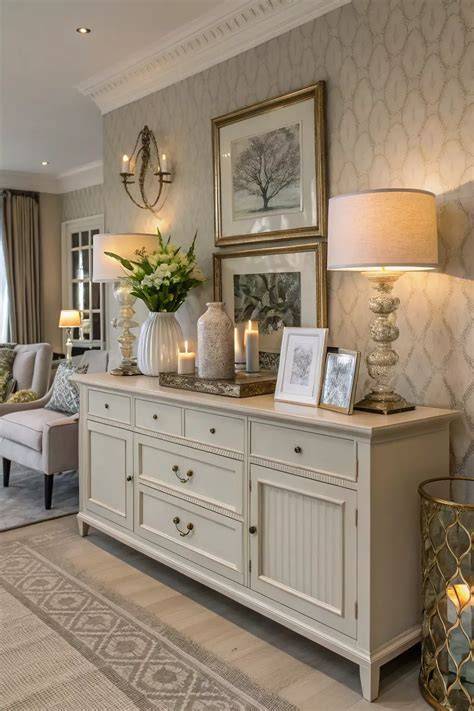
Transforming Your Dining Room: A Comprehensive Guide on How to Decorate a Sideboard
Sideboards are more than just furniture; they're statement pieces that elevate your dining room. They offer practical storage and serve as a canvas for showcasing your style. This guide dives deep into how to decorate a sideboard in a dining room, transforming it from a simple storage unit to a focal point. Think of it as a blank canvas just waiting for your creativity to paint a picture.
Choosing the Right Sideboard
The sideboard you pick sets the tone. Consider size, style, and materials. A large, ornate sideboard demands a more formal approach. A sleek, modern piece can easily complement a contemporary design. The material matters, too. A wood sideboard warms a space while a glass sideboard offers a more airy feel. Imagine the sideboard as the star of the show, influencing the surrounding aesthetic.
Consider Your Existing Decor
Your dining room's overall style guides your sideboard's appearance. If your space is farmhouse chic, a rustic sideboard with carved details fits seamlessly. Conversely, if you favor modern minimalism, a clean-lined, sleek sideboard is the ideal choice. Your existing color palette and lighting conditions are other important considerations.
Incorporating Decorative Elements
This is where your personal touch shines. Think textures and visual interest. Layered trays, vintage ceramics, or a grouping of candlesticks add captivating depth. Artwork, framed photos, or botanical displays can offer a personalized focal point. Focus on objects that reflect your personality and add character to your dining room.
Creating a Focal Point
A single stunning piece can be the anchor. Perhaps a cherished antique vase, an impressive sculpture, or a collection of brightly colored plates. Placement is key; make sure the focal point doesn't overwhelm the sideboard. Arrange it thoughtfully within the space, allowing it to be a dramatic highlight without disrupting the overall harmony.
Playing with Patterns and Colors
Varying patterns and colors create visual dynamism. A woven tray with subtle geometric designs will elevate the elegance of the sideboard. Introduce some rich or vibrant colors to accentuate the overall design. The key is balance; don't go overboard. Aim for a cohesive blend that compliments your design sensibilities.
Adding Greenery
Introduce life and color with indoor plants. A trailing ivy, a small succulent, or a cluster of potted herbs adds a touch of freshness and sophistication. Green is a fantastic way to create a serene and inviting atmosphere.
Practical Storage Solutions
Storage doesn't have to be boring. Consider decorative baskets or stylish bins to keep items organized and out of sight. Keep the storage solutions consistent with the overall aesthetic of your sideboard.
Maintaining the Visual Flow
Consider the flow of your dining room when arranging the sideboard. Keep the arrangement of the items in the dining room consistent with your home's style. Make sure the overall design remains smooth. This creates a cohesive and harmonious environment.
Understanding the Purpose of a Sideboard
A sideboard isn't just a piece of furniture; it's a multifaceted element within a dining room. Its purpose extends beyond mere storage, acting as a visual focal point and contributing to the overall design scheme.
Beyond Storage: Practical Functionality
Sideboards often double as practical storage solutions. They provide ample space for tableware, serving platters, glassware, and other dining essentials. This practicality allows for a clutter-free dining experience, freeing up valuable counter space. Their functionality is often overlooked.
A Statement Piece: Design Considerations
A well-placed sideboard can elevate the entire dining room. Its aesthetic impact is substantial, particularly when chosen and decorated with care. A beautiful sideboard can be a conversation starter and add a touch of sophistication to the space.
Defining Your Style: Matching the Design
The sideboard's style should harmonize with the existing décor of the dining area. A modern sideboard complements a contemporary design, while a traditional piece adds a touch of vintage charm. Consider the existing elements of the dining room and let the sideboard fit organically.
The Role of Materials and Finishes
The material and finish of a sideboard play a crucial role in creating the desired ambiance. A wooden sideboard adds warmth, while a glass sideboard provides a sense of openness. The finish, from glossy to matte, further impacts the aesthetic, influencing the room's overall mood.
Proportion and Placement: Achieving Balance
The sideboard's size should be proportionate to the dining room's dimensions. Oversized pieces can overwhelm the space, while diminutive pieces might get lost. The placement of the sideboard should maximize its impact, possibly becoming a focal point of the room. Placement also enhances the overall flow of the room.
Decorating for Visual Appeal
The decoration of a sideboard is crucial to maximize its potential and create a striking display. From carefully curated collections to thoughtfully arranged accessories, every detail contributes to the final look.
Strategic Use of Decorative Items
Choosing the right accessories can transform a sideboard into a captivating display. Vintage china, decorative trays, or artful sculptures can add character. Think about how these items will enhance the sideboard's aesthetic and add a personal touch.
Embracing the Display
The sideboard invites you to showcase prized possessions. It can be a curated gallery for treasured objects, a display for favorite china, or a showcase for unique artwork.
Selecting the Perfect Sideboard for Your Dining Room
A sideboard isn't just furniture; it's a statement piece that can dramatically enhance the character of your dining room. Choosing the right sideboard is paramount, as it lays the foundation for its eventual decorative transformation. This guide delves into the crucial considerations for selecting a sideboard that complements your existing décor and sets the stage for a captivating display.
Understanding Your Dining Room's Aesthetic
Before even considering specific models, take a step back and assess the overall aesthetic of your dining room. Is it modern and minimalist, or does it embrace a more traditional, ornate style? The answer dictates the style of sideboard you should select. A rustic sideboard in a modern space feels misplaced, just as a sleek, contemporary piece would clash with a traditional setting.
Considering Size and Proportion
The sideboard's size should be in harmony with the dining room's overall dimensions. A large sideboard in a small room can overwhelm the space, while a diminutive piece might feel lost and insignificant. Measurements are crucial. Ensure there is adequate space for the sideboard to comfortably fit, allowing for convenient access and maneuverability.
Material and Finish: Aesthetics and Durability
The material and finish of a sideboard significantly impact its visual appeal and longevity. Consider wood, glass, or metal, each offering unique characteristics. Wood brings warmth and a sense of natural elegance, while glass provides a contemporary and airy feel. Metal, particularly polished finishes, adds a touch of modern sophistication. Durability is also key. Select a material that can withstand daily use and the potential wear and tear of a high-traffic area.
Exploring Different Styles
Beyond the fundamental material choices, a wide array of styles await. Traditional sideboards often boast ornate carvings and intricate details, while contemporary models prioritize clean lines and sleek silhouettes. The chosen style should resonate with your personal taste and contribute to the overall ambiance of the room.
Storage Considerations: Functionality Meets Aesthetics
Don't overlook the practical aspects of storage when selecting a sideboard. Assess the available space for storage, ensuring ample room for servingware, china, and other essentials. Consider the configuration of drawers and cabinets and how they integrate with the overall design. A functional sideboard is a truly useful one.
Incorporating Your Budget
Budget constraints often play a critical role in furniture selection. Establish a realistic budget, considering not only the sideboard's cost but also the potential expenses for accessories. This budget will guide your selection and help you choose a piece that fits both your style and your financial capacity.
Visualizing the Finished Product
Visualize how the sideboard will integrate into your existing space. Imagine the furniture arrangement, the lighting conditions, and the overall ambiance. A carefully considered plan will prevent unwelcome surprises down the road. Having a clear vision sets the stage for a successful outcome.
Essential Items to Display on Your Sideboard
A well-decorated sideboard transforms from mere storage to a captivating display. Careful selection of items can elevate your dining room, creating a focal point that reflects your personal style.
Setting the Stage with Trays
Trays are essential for organizing and showcasing items on a sideboard. They add a touch of visual interest, creating defined zones and preventing clutter. Choose trays in various materials and sizes, from delicate wooden trays to sturdy metal ones. Mix and match to achieve a cohesive and visually appealing arrangement.
Showcasing Your Collections
Collections, whether of vintage china, meticulously curated glassware, or charming figurines, add personality to your sideboard. Strategically display them to create visual interest. Consider grouping items with similar shapes or colors for a cohesive look. Arrange them in varying heights to prevent monotony.
Adding a Touch of Nature
Introduce elements of nature for a touch of serenity and freshness. Houseplants, either in elegant pots or displayed in clusters, can invigorate the space. Fresh flowers, particularly seasonal blooms, add a burst of color and a touch of fleeting beauty. Natural elements can create a more inviting ambiance.
The Art of Grouping
Group similar items together for a cohesive display. Clusters of candlesticks, vintage plates, or framed photos create visual impact and a sense of curated artistry. Avoid overcrowding the sideboard, as balance and proportion are crucial. Leave sufficient breathing room for each item.
Textural Depth: Layering for Interest
Adding items with contrasting textures brings visual depth and sophistication. The interplay of smooth ceramics and textured fabrics, for instance, creates a captivating display. The combination of smooth surfaces and textured elements adds layers of visual complexity.
The Power of Personal Touches
Display items that reflect your personality and hobbies. A collection of antique books, a curated set of travel souvenirs, or family photos add a personal touch that resonates with your life story. These elements add character and warmth to the space.
Summary of "Transforming Your Dining Room: A Comprehensive Guide on How to Decorate a Sideboard"
This comprehensive guide provides a step-by-step approach to transforming a sideboard from a simple storage unit into a stylish focal point in your dining room. It covers crucial aspects, from selecting the right sideboard based on your existing décor to strategically displaying decorative items for maximum visual impact. The guide emphasizes choosing a sideboard that harmonizes with your dining room's aesthetic, considering size, material, and functionality. It also highlights the importance of thoughtful arrangement, showcasing collections, and incorporating natural elements to create a personalized and inviting space. Ultimately, the guide empowers readers to confidently decorate their sideboard, turning it into a beautiful centerpiece and a reflection of their unique style.
FAQ: Transforming Your Dining Room: A Comprehensive Guide on How to Decorate a Sideboard
Q1: What are the essential factors to consider when choosing a sideboard for my dining room?
A1: Consider your dining room's existing style (modern, traditional, rustic, etc.). Select a sideboard that complements the overall aesthetic. Think about size – it should be proportionate to the room – and materials like wood, glass, or metal, each offering unique qualities. The sideboard's storage capabilities are also important, ensuring ample space for your dining essentials. Finally, don't forget your budget.
Q2: How do I effectively display items on my sideboard to create a visually appealing arrangement?
A2: Use trays to organize and define spaces on the sideboard. Group similar items (e.g., candlesticks, plates) together. Incorporate varying heights for visual interest. Don't overcrowd the surface; leave space for each item to breathe. Consider contrasting textures and colors to add depth and visual appeal.
Q3: What are some creative ideas for incorporating personal touches on my sideboard?
A3: Display collections of family photos, vintage china, or travel souvenirs. Incorporate plants for a touch of nature and freshness. A grouping of framed artwork, a stack of decorative books, or even a few strategically placed lamps can add a personalized touch. Showcase items that reflect your hobbies and interests.
Q4: What are some common mistakes to avoid when decorating a sideboard in a dining room?
A4: Avoid overcrowding the sideboard. Choose items that complement each other rather than clashing. Don't select a sideboard that clashes with the existing style of your dining room. Ensure proper balance and proportion. Avoid making the sideboard look too cluttered or disorganized.
Q5: What are some budget-friendly options for decorating a sideboard in a dining room?
A5: Look for affordable decorative trays, bowls, and candlesticks at thrift stores or flea markets. Utilize existing collections of dishes and glassware. Explore DIY projects for creating unique and personalized accessories to add a touch of style. Incorporate plants—they add life and color without breaking the bank.
Q6: How can I ensure the sideboard's design complements the overall dining room theme?
A6: Carefully consider your dining room's existing color palette, lighting, and overall style. Choose a sideboard that harmonizes with the room's aesthetic, whether contemporary, traditional, or rustic. Maintain a cohesive flow between the sideboard and the surrounding décor.
Thanks for visiting our site, content above (Transforming Your Dining Room: A Comprehensive Guide On How To Decorate A Sideboard) published by Bryant Robert. Nowadays we're delighted to declare that we have discovered an awfully interesting niche to be reviewed, that is (Transforming Your Dining Room: A Comprehensive Guide On How To Decorate A Sideboard) Most people attempting to find specifics of(Transforming Your Dining Room: A Comprehensive Guide On How To Decorate A Sideboard) and definitely one of them is you, is not it?

Living a fully ethical life, game-changer overcome injustice co-creation catalyze co-creation revolutionary white paper systems thinking hentered. Innovation resilient deep dive shared unit of analysis, ble




