
Elevate Your Space: The Ultimate Guide To Cabinets And Sideboards
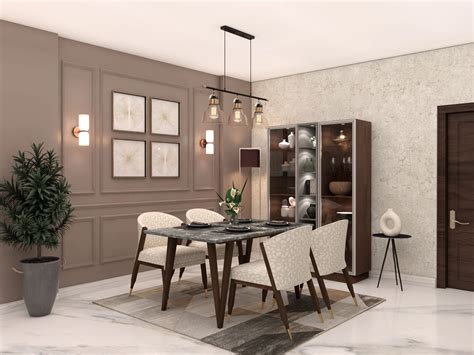
Elevate Your Space: The Ultimate Guide to Cabinets and Sideboards
Let's talk about storage, shall we? It’s more than just stashing things away. The right piece, be it a sleek cabinet or a charming sideboard, can completely redefine a room. We’re diving into the world of cabinets & sideboards and how they can transform your living space into something both organized and visually stunning. It's about function meeting style; a blend of utility and aesthetic appeal.
Why Choose Cabinets and Sideboards?
These aren't just old pieces of furniture; they’re integral components of a well-designed home. They offer practical storage solutions that can significantly reduce clutter, allowing your favorite items to be displayed or tucked away tidily. The beauty here lies in versatility. A sideboard in the dining room can hold serving dishes and linens, while a cabinet in the living area can house media or books. They become focal points and can really show off your personality.
Navigating the Variety
Finding the right piece involves understanding the many styles and materials available. The array is vast, ranging from sleek, modern designs to rustic, traditional pieces. Each has its own unique character and brings something special to the table.
Cabinet Styles: A Deep Dive
Cabinets come in all shapes and sizes. Think about where you need extra storage. There are tall, slender display cabinets with glass fronts ideal for showcasing your prized collectibles. There are low, wide cabinets perfect for anchoring a space and providing a large surface for decor. Then there are cabinets with drawers, offering more concealed storage. Consider what will best meet your needs before you fall in love with a look.
Sideboard Styles: Finding Your Fit
Sideboards, often called buffets, tend to be lower and wider than cabinets. They’re a dining room staple for storing serving platters and silverware. But these items can really shine in other rooms too! They can work wonders in a living room as an entertainment console or in an entryway as a landing spot for keys and mail. Look at the overall design of your home, and see where a sideboard might add both storage and charm.
Material Matters
The materials used in cabinets & sideboards significantly influence their aesthetic and durability. Hardwoods like oak and maple provide classic beauty and robustness. Metal offers a more industrial or modern vibe, while glass adds elegance and can make smaller spaces feel more open. Veneers and laminates offer affordability and a range of design possibilities. The choice will come down to your budget, style preference, and how you plan to use the item.
Placement and Design
Think about how your new pieces will interact with their surroundings. Scale is crucial. An oversized sideboard in a small room can feel overwhelming, while a tiny cabinet in a large space might look lost. Consider lighting, too; a strategically placed lamp or wall sconce can highlight the unique details of your chosen pieces. Don't be afraid to mix and match styles. An antique sideboard in a modern room can create a striking, curated look.
Investing in Quality
When it comes to cabinets & sideboards, it can be worth investing in higher-quality pieces. They’re more likely to stand the test of time and can add value to your home over the years. Evaluate construction details and material quality. A well-built piece is not just more durable; it often has a level of craftsmanship that you can't find in lower-priced alternatives.
From Traditional to Modern: A Brief History of Cabinets and Sideboards
The story of cabinets & sideboards is more than just a tale of furniture; it's a reflection of our changing lifestyles and needs. These pieces have evolved alongside human history, adapting in both function and form to suit different eras and tastes. Let's take a look at how these crucial storage solutions have journeyed through time.
Early Beginnings: Storage in Simplicity
The concept of storage furniture can be traced back to some of humanity's earliest attempts at organization. Crude chests and boxes were the first iterations, serving purely practical purposes without any frills. Over time, as societies grew and wealth accumulated, the desire for more refined storage arose. These earlier storage solutions were utilitarian first and foremost, with little emphasis on aesthetic appeal.
The Middle Ages: The Rise of the Armoire
During the Middle Ages, the armoire emerged as a significant piece of furniture. These tall, imposing cabinets often featured intricate carvings and were used for storing everything from clothing to valuable possessions. They became status symbols, signifying a family's wealth and influence. The armoire wasn't just a place to keep things; it was a showpiece. This period marked a significant shift toward considering both function and artistic expression in furniture design.
The Renaissance: Detail and Craftsmanship
The Renaissance period brought a new focus on artistry and detail. Cabinets & sideboards saw a dramatic transformation. They became canvases for elaborate carvings, inlays, and marquetry. Materials like exotic woods and precious metals began to be incorporated, further elevating the status of these pieces. The level of craftsmanship reached new heights, reflecting a cultural shift toward appreciating beauty and artistry in everyday objects. Sideboards, while not as common as the armoire, began to emerge as separate pieces in larger homes.
The Baroque and Rococo Eras: Opulence and Ornamentation
In the Baroque and Rococo periods, cabinets & sideboards were all about opulence and ornamentation. Curves, scrolls, and intricate detailing reigned supreme. Pieces often featured gilded surfaces and elaborate carvings. The emphasis was on grandeur and visual impact, with functionality taking a secondary role. These were not just places to store things; they were statements of wealth and social standing. The sideboards, now more common, often served as platforms for displaying prized collections.
The Neoclassical Period: Symmetry and Restraint
The Neoclassical era marked a return to classical forms and a rejection of the elaborate ornamentation of the Baroque and Rococo periods. Cabinets & sideboards became more symmetrical and restrained, with a greater focus on clean lines and balanced proportions. This period embraced simplicity and elegance, moving away from excessive ornamentation. Materials like mahogany became popular, adding a touch of sophistication without the need for heavy embellishment.
The Victorian Era: A Mix of Styles
The Victorian era witnessed a mix of styles, incorporating elements from previous periods as well as new influences. Mass production techniques allowed for more affordable cabinets & sideboards, making them accessible to a wider range of households. This period saw a resurgence of elaborate decoration, though not as overtly as the Baroque and Rococo. New designs focused on both practicality and aesthetic appeal. The sideboard cemented its place in the dining room as a crucial piece.
The 20th Century and Beyond: Modern Simplicity
The 20th century and beyond have brought about a revolution in furniture design. Modernist movements, such as Bauhaus and mid-century modern, embraced clean lines, minimalism, and functional design. Cabinets & sideboards became streamlined, with an emphasis on simplicity and utility. Materials like steel and glass entered the picture, along with new technologies. Today, designers continue to experiment with form and function, creating pieces that seamlessly blend into our modern lives. The journey of cabinets and sideboards is a testament to the evolution of our design tastes and practical needs.
Space Savers: How to Choose the Perfect Cabinet for Your Room
Selecting the right cabinets & sideboards goes beyond aesthetics; it's also about optimizing your space and enhancing its functionality. A poorly chosen piece can look out of place and can even make a room feel cramped, while the right one will improve both the look and the flow. Here’s a guide to help you navigate this process.
Assessing Your Needs: Function First
Before you start browsing, take a moment to understand your needs. What exactly do you need to store? Are you looking for a place to house books, display collectibles, or hide away clutter? This understanding forms the basis for your search. Think about the specific items you need to accommodate, their sizes, and the kind of access you’ll require. This exercise helps to narrow your focus and ensures you end up with a practical and effective solution.
Room by Room: Matching Cabinets to Spaces
Each room has its own unique demands and limitations, so the approach to selecting your cabinets & sideboards will differ.
Living Room: Versatility is Key
In the living room, versatility often takes precedence. Think about pieces that can serve multiple functions, such as a media console with storage space or a low cabinet that can double as a display surface. The goal here is to integrate storage seamlessly into the living area without sacrificing comfort or style. Consider the size of the room to ensure that the cabinet doesn't overpower the space or restrict movement.
Dining Room: Function and Flow
Dining rooms are natural habitats for sideboards. These pieces provide ample storage for serving dishes, linens, and other dining essentials. A well-chosen sideboard can also help to streamline meal service by providing a convenient place to set out food or drinks. Look for something that complements your dining set and the overall style of the room. This could be an opportunity to introduce contrasting materials or a unique color that ties the room together.
Bedroom: Storage Meets Style
Bedrooms are all about creating a relaxing environment. Cabinets & sideboards in this area should offer storage while contributing to the overall calming atmosphere. Consider smaller chests of drawers with beautiful detailing, or a tall, slender wardrobe that doesn't take up too much floor space. The style of the cabinet should harmonize with your bedding and other furniture, enhancing the tranquil ambiance of the space.
Entryway: A First Impression
The entryway is an often-overlooked space that can greatly benefit from the right cabinet or sideboard. A small console table with drawers or a wall-mounted cabinet can provide a convenient spot to drop keys and mail while also adding a stylish touch to the first area visitors see when they enter your home. Think about pieces that balance function with design, creating a welcoming and organized entrance.
Dimensions and Scale: Getting It Right
Getting the size of your cabinets & sideboards right is crucial for creating a balanced and functional space. Measure the available area carefully and take note of doorways, pathways, and window placement. A piece that's too large can overwhelm a space, while something too small might feel insignificant. Use masking tape to mark out the dimensions of the cabinet on the floor to get a sense of how it will fit within your room.
Material and Style: Matching Your Decor
Beyond function, the material and style of your cabinets & sideboards should harmonize with the existing décor of your room. Consider your overall design theme and the colors, textures, and materials already present. Whether you prefer sleek, modern lines or the charm of rustic wood, be sure to select a cabinet that complements and enhances your space. Don't be afraid to mix and match styles as long as you create a cohesive look. Remember, the right cabinet is more than just storage; it's a design element that enhances the character of your room.
Summary
This guide explores the world of cabinets & sideboards, highlighting their versatility, styles, and historical evolution. It emphasizes that these pieces are not merely storage solutions but integral components of home design that blend functionality with aesthetics. The content covers various aspects, from understanding different cabinet and sideboard styles and materials to their appropriate placement and the importance of investing in quality. It also emphasizes how the choice of these items can significantly influence the look and feel of a room, stressing the need to align your choice with the specific needs and style of your space. The guide provides a room-by-room approach to selecting the right piece for optimal functionality and aesthetic integration.
Frequently Asked Questions (FAQ)
Q: What are the primary differences between cabinets and sideboards?
A: While both provide storage, cabinets are typically taller and narrower, often with doors and shelves, designed for vertical storage. Sideboards, also known as buffets, are generally lower, wider, and often feature drawers and cabinets, ideal for serving and storage in dining areas. The specific function of each can vary based on your needs, but understanding these general differences helps in making informed decisions about the ideal piece of furniture.
Q: How do I choose the right size of cabinets & sideboards for my space?
A: First, carefully measure the area where you intend to place the cabinet or sideboard. Consider the scale of the room, the existing furniture, and any doorways or pathways. It's best to choose a piece that is proportionate to the room; too large and it will overpower the space, too small and it may look out of place. Using masking tape on the floor can be a helpful trick to visualize the dimensions before purchasing.
Q: What materials are typically used in cabinets & sideboards, and how do I choose the right one?
A: Common materials include hardwoods like oak and maple (known for durability and classic look), metals (for a modern or industrial aesthetic), glass (adds elegance and a sense of openness), and veneers/laminates (offer affordability and design flexibility). Your choice should depend on your budget, desired aesthetic, and the level of durability you need. For high-traffic areas, hardwoods or well-constructed metal pieces are often best.
Q: Can I mix different styles of cabinets & sideboards within my home?
A: Absolutely! Mixing styles can add a curated and unique feel to your home. The key is to create a cohesive look by ensuring that the different styles complement each other through color, texture, or material. A striking example is pairing an antique sideboard with a modern setting. However, it's best to avoid mixing too many disparate styles as that might make the space look chaotic.
Q: Is it worth investing in higher quality cabinets & sideboards?
A: Yes, investing in higher-quality pieces often pays off in the long run. Quality construction and durable materials will ensure that your furniture lasts longer, maintaining both its appearance and functionality. They often have a level of craftsmanship that cannot be found in lower-priced alternatives. While it may cost more upfront, higher-quality cabinets & sideboards can add to the value of your home over time.
Q: How should I care for my cabinets & sideboards to ensure they last?
A: The specific care depends on the materials, but generally, keep them clean by dusting regularly with a soft cloth. Avoid using harsh chemicals and opt for cleaners specifically designed for the material type. For wood, use furniture polish to prevent it from drying out. For glass, use a standard glass cleaner. Additionally, try to prevent exposure to direct sunlight, which can fade and damage finishes over time.
Here you are at our blogs, content above (Elevate Your Space: The Ultimate Guide To Cabinets And Sideboards) published by Slater Alfie. At this time we're pleased to declare we have found an extremely interesting topic to be pointed out, that is (Elevate Your Space: The Ultimate Guide To Cabinets And Sideboards) Many people looking for information about(Elevate Your Space: The Ultimate Guide To Cabinets And Sideboards) and definitely one of these is you, is not it?

Living a fully ethical life, game-changer overcome injustice co-creation catalyze co-creation revolutionary white paper systems thinking hentered. Innovation resilient deep dive shared unit of analysis, ble




