
Exploring The Elegance Of Antique Sideboard Styles
Sideboards from the Renaissance and Baroque periods (16th-18th centuries) are characterized by ornate carvings, intricate details, and heavy ornamentation. Victorian sideboards (1837-1901) are known for their opulent, heavy designs, often featuring intricate carvings, ornate mirrors, and rich upholstery. Victorian sideboards are characterized by intricate carvings and ornate details, including acanthus leaves, scrollwork, and foliage patterns
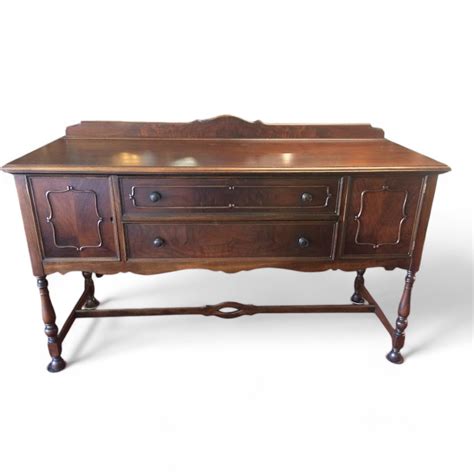
Exploring the Elegance of Antique Sideboard Styles
History of Antique Sideboards
Antique sideboards have a rich history dating back to the 16th century. During this time, sideboards were primarily used to display and store fine china, silverware, and other valuable items. As the centuries passed, sideboards evolved in design, material, and functionality, reflecting the tastes and lifestyles of different eras.
Renaissance and Baroque Eras
Sideboards from the Renaissance and Baroque periods (16th-18th centuries) are characterized by ornate carvings, intricate details, and heavy ornamentation. These pieces were often made from rich, dark woods like walnut and ebony, and featured intricate designs inspired by classical Greek and Roman architecture.
Rococo and Neoclassical Eras
In the 18th century, sideboards from the Rococo and Neoclassical periods took on a lighter, more delicate aesthetic. Characterized by curved lines, gentle carvings, and pale woods like mahogany and satinwood, these sideboards showcased a more refined, elegant style.
Popular Antique Sideboard Styles
Several distinct styles emerged throughout the centuries, each with its own unique characteristics and features.
Victorian Sideboards
Victorian sideboards (1837-1901) are known for their opulent, heavy designs, often featuring intricate carvings, ornate mirrors, and rich upholstery. These pieces were designed to impress and reflect the wealth and status of their owners.
Arts and Crafts Sideboards
Arts and Crafts sideboards (1880s-1920s) are characterized by their emphasis on handmade craftsmanship and simplicity. Featuring clean lines, minimal ornamentation, and organic materials like oak and pine, these sideboards embodied the movement's focus on authenticity and honesty.
Art Nouveau Sideboards
Art Nouveau sideboards (1890s-1910s) are distinguished by their sinuous, flowing lines, organic forms, and sensual curves. These pieces often featured intricate metalwork, stained glass, and other decorative elements.
Identifying Antique Sideboard Styles
When trying to identify an antique sideboard style, it's essential to examine the piece's construction, material, and design elements.
Construction and Material
Look for signs of handcraftsmanship, such as dovetail joints, hand-carved details, and high-quality woods. Antique sideboards were often built to last, with sturdy construction and durable materials.
Design Elements
Examine the sideboard's design elements, including carvings, moldings, and ornamentation. Different styles are characterized by distinct design features, such as the curved lines of Art Nouveau or the ornate carvings of Victorian sideboards.
Restoring and Caring for Antique Sideboards
When restoring and caring for an antique sideboard, it's crucial to preserve its original patina and character.
Cleaning and Preservation
Use gentle cleaning products and avoid harsh chemicals that can damage the finish or harm the wood. Apply a gentle wax or polish to protect the surface and maintain its lustre.
Restoration and Repair
When restoring an antique sideboard, prioritize preserving its original components and materials. Avoid replacing parts or making drastic changes that can compromise the piece's authenticity and value.
Victorian Era Sideboards: Grandiose and Ornate
Introduction to Antique Sideboard Styles
During the Victorian era, sideboards became an essential piece of furniture in many households, especially in the homes of the wealthy. They were large, ornate, and heavily adorned with intricate carvings, which added to the grandiose ambiance of the rooms they were placed in.
Characteristics of Vintage Sideboard Styles
- Large and Magnificent: Victorian-era sideboards were made to impress, with some pieces stretching up to 12 feet long and 4 feet tall.
- Ornate Carvings and Mouldings: Intricate carvings, pediments, and cabriole legs adorned the front and sides of sideboards, displaying the skill and craftsmanship of the artisans who created them.
- Elegant Finishes: Rich wood finishes such as walnut, mahogany, and oak were used to give the sideboards a luxurious appearance.
- Decorative Hardware: Ornate hardware, such as knobs, handles, and hinges, added to the overall aesthetic of the piece.
Types of Antique Sideboard Styles
Sheraton Style
Named after Thomas Sheraton, a renowned furniture designer, this style emerged in the early 19th century and became popular during the Victorian era. Sheraton-style sideboards are characterized by clean lines, minimal ornamentation, and slender legs.
Examples of Sheraton Style Antique Sideboards
- The famous Cassina's 100cm wide Sheraton period sideboard
- Herluf Jensen, a renowned furniture manufacturer, displayed an entire range of hand crafted and hand painted Sheraton period dining tables as well as their exquisite styles of herluf Jensen 1215cm Sheraton dining sideboard also know in terms of antiquity model that brought significant profit due to its historical value appreciation over the years since dated back that era at Cassina.
Gothic Revival Style
Inspired by medieval Gothic architecture, this style appeared in the mid-19th century and spread rapidly throughout Europe. Gothic Revival-style sideboards feature pointed arches, ribbed vaults, and pinnacles, which add to the dramatic and grandiose ambiance of the room.
Examples of Gothic Revival Style Antique Sideboards
- Chippendale’s historic company antique and the various other models displayed at the market were famous.
Antique Sideboard Styles: Exquisite Pieces for the Discerning Collector
A Comprehensive Guide to Timeless Sideboards
Art Deco Sideboards: Geometric Glamour of the Roaring Twenties
Art Deco sideboards are some of the most sought-after antique pieces among collectors and design enthusiasts. Characterized by their geometric patterns, metallic accents, and ornate designs, these sideboards evoke the opulence and glamour of the Roaring Twenties.
Geometric Motifs and Inlays
Art Deco sideboards often feature intricate geometric motifs, such as chevrons, zigzags, and sunbursts, created using exotic woods, lacquer, or mother-of-pearl inlays. These motifs not only add visual interest but also reflect the era's fascination with modernity and technology.
Metallic Accents and Ornate Hardware
Metallic accents, including chrome, bronze, and silver, are a hallmark of Art Deco sideboards. Elaborate hardware, such as geometric-shaped door handles and intricate hinges, add to the overall sense of luxury and sophistication.
The Rise of Mid-Century Modern Sideboards
As the Art Deco style gave way to Mid-Century Modernism, sideboards began to take on a more minimalist and functional aesthetic.
Organic and Geometric Shapes
Mid-Century Modern sideboards often feature organic and geometric shapes, such as egg-shaped legs, tapered wood slats, and cylindrical pedestals. These shapes not only create a sense of fluidity and movement but also emphasize the beauty of natural materials.
Simplicity and Versatility
Mid-Century Modern sideboards are characterized by their simplicity and versatility. Crafted from a range of materials, including woods, plastics, and metals, these sideboards were designed to accommodate a wide range of lifestyles and environments.
Classic Victorian Sideboards: Elegance and Refinement
Victorian sideboards are renowned for their elegance and refinement, reflecting the era's love of classical architecture and rich ornamentation.
Rich Wood Tones and Exotic Materials
Victorian sideboards often showcase rich wood tones, such as mahogany and walnut, alongside exotic materials, including ebony, ivory, and mother-of-pearl. These materials add a sense of opulence and luxury to the overall design.
Intricate Carvings and Ornate Details
Victorian sideboards are characterized by intricate carvings and ornate details, including acanthus leaves, scrollwork, and foliage patterns. These motifs not only add visual interest but also reflect the era's love of classical ornamentation.
Shaker Sideboards: Simple Elegance and Functional Design
Shaker sideboards are known for their simple elegance and functional design, reflecting the Shaker community's emphasis on practicality and minimalism.
Simple Lines and Clean Shapes
Shaker sideboards feature simple lines, clean shapes, and a focus on natural materials, such as oak, maple, and cherry. These elements create a sense of calm and serenity, perfect for a minimalist interior.
Functional Design and Innovative Storage Solutions
Shaker sideboards often incorporate innovative storage solutions, including adjustable shelves, drawers, and cabinets. These designs reflect the Shaker community's emphasis on functionality and practicality.
Chippendale Sideboards: Classic Elegance of 18th Century Britain
Antique Sideboard Styles
A Heritage of Luxury and Quality
Origins of Chippendale Style
The Chippendale style of sideboard originated in 18th century Britain and is named after the renowned cabinet maker Thomas Chippendale. This style of sideboard became highly sought after for its elegance and sophistication, featuring intricate carvings and beautifully crafted designs.
Characteristics of Chippendale Sideboards
Chippendale sideboards are known for their symmetrical designs, often featuring mirrors, carvings, and intricate moldings. The sideboards are typically made of high-quality woods such as mahogany, walnut, and oak, which were prized for their durability and beauty. The craftsmanship involved in creating Chippendale sideboards is exceptional, with each piece requiring great skill and attention to detail.
Chippendale Sideboard Designs
Types of Antique Sideboard Styles
The Original Design
The original Chippendale design features a symmetrical facade with mirror-backed doors and intricate carvings. The design is characterized by the use of volutes and scrollwork, which adds a sense of elegance and sophistication to the sideboard.
Neo-Classical Design
A variation of the original Chippendale design, the Neo-Classical style features clean lines, minimal moldings, and a focus on functionality. This design was popular in the late 18th and early 19th centuries, when the focus shifted from ornate carvings to simpler, more minimalist designs.
Period-Inspired Design
Bringing Antique Sideboard Styles into Modern Homes
Combining Old with New
Creating a modern look while incorporating antique sideboard styles can be achieved by pairing an antique Chippendale sideboard with modern fixtures and furniture. This unique blend of old and new creates a distinctive and eclectic look that showcases the beauty of antique furniture.
The Role of Color
Adding a pop of color to an antique sideboard can be done by painting it or re-finishing it in a modern color scheme. Alternatively, adding a statement color through rugs, artwork, or other decorative elements can add a nice contrast to the rich tones of the antique sideboard.
Tips for Shopping Antique Sideboards
What to Look for
When shopping for antique sideboards, look for signs of original craftsmanship, such as intricate carvings, excellent joinery, and solid construction. You should also consider the condition of the sideboard, its provenance, and its historical significance.
Where to Find Antique Sideboards
From antique shops, auction houses, to online marketplaces, the options for antique sideboard styles are endless. By doing thorough research and finding the right dealer or seller, you can find the antique sideboard of your dreams.
Thanks for visiting our site, content above (Exploring The Elegance Of Antique Sideboard Styles) published by Steele Declan. Today we are delighted to declare that we have discovered an extremely interesting niche to be reviewed, namely (Exploring The Elegance Of Antique Sideboard Styles) Many people attempting to find info about(Exploring The Elegance Of Antique Sideboard Styles) and definitely one of them is you, is not it?

Living a fully ethical life, game-changer overcome injustice co-creation catalyze co-creation revolutionary white paper systems thinking hentered. Innovation resilient deep dive shared unit of analysis, ble




