
Enhancing Small Entryways With Stylish Flooring Ideas
Light, reflective flooring is your best friend in a small entryway. Darker shades, while stylish in larger areas, can make a small entryway feel cramped. A strategically placed mirror can significantly enhance the light and space in a small entryway
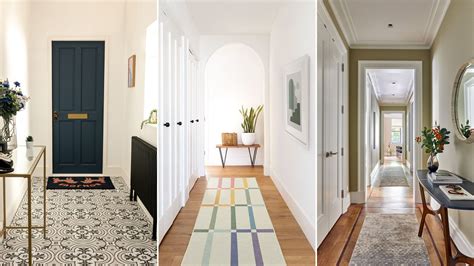
Enhancing Small Entryways with Stylish Flooring Ideas
Making a Statement with Limited Space
Small entryways often get overlooked, treated as mere passageways. But with the right flooring, you can transform this often-ignored space into a stylish and welcoming focal point. The key is choosing materials and patterns that maximize the feeling of spaciousness while reflecting your personal style. Think about how you want your guests to feel the moment they step inside.
Natural Light and Flooring Choices
Light, reflective flooring is your best friend in a small entryway. Polished concrete, for instance, offers a modern industrial vibe while bouncing light around the room. Similarly, light-colored wood or ceramic tiles create an airy feel. Darker shades, while stylish in larger areas, can make a small entryway feel cramped.
Playing with Patterns and Textures
Instead of a uniform look, consider using patterned tiles to add visual interest. Subtle patterns can help prevent the floor from looking monotonous. A herringbone pattern, for example, offers a classic, sophisticated feel without overwhelming the space. Consider a runner rug to add warmth and texture, but be mindful of its scale—a too-large rug can actually make the entryway feel smaller.
Practical Considerations for High-Traffic Areas
Entryways see a lot of foot traffic, so durability is paramount. Porcelain tile, known for its resilience, is an excellent choice, easily handling scuffs and spills. Natural stone, like slate or marble, adds an elegant touch, but requires more maintenance. Practicality doesn't mean sacrificing style; it's about finding a balance between beauty and functionality.
Choosing the Right Rug
Rugs anchor the space and add personality. A small rug in a vibrant color or bold pattern can make a dramatic statement. The rug's material also contributes to the overall feel of the entryway—a plush wool rug adds warmth and comfort, while a jute rug offers a more rustic aesthetic. Remember to select a rug size appropriate for the space; a too-large rug will dwarf the room, while one that's too small will feel lost.
Beyond the Basics: Creative Flooring Solutions
Don't be afraid to get creative. Consider using mosaic tiles to create a personalized design. A unique mosaic, even a small one, can completely change the feel of a small entryway. Alternatively, use patterned vinyl flooring for a cost-effective and stylish alternative to tile. There’s a vast range of options that go beyond the traditional.
Thinking Outside the Box: Unexpected Materials
Think beyond the expected materials. Reclaimed wood adds character and sustainability to any space. Cork flooring provides both comfort and eco-friendliness. These choices offer unique texture and visual interest, creating an entryway that truly stands out. The possibilities, really, are endless.
Design Hacks for Maximizing Entryway Space with Flooring
Strategic Flooring Choices for Small Entryways
Small entryways present unique design challenges. The right flooring can make a world of difference, visually expanding the space and creating a welcoming atmosphere. The key is to choose flooring that reflects light and creates a sense of openness.
Light and Bright: Reflecting Light
Light-colored flooring is your secret weapon. Pale woods, light-colored tiles, or even polished concrete effectively bounce light around the room, making it feel larger than it actually is. Avoid dark colors, which tend to absorb light and make the space feel smaller and more confined.
Playing with Patterns and Textures: Subtlety is Key
While a plain floor is perfectly acceptable, introducing subtle patterns can add visual interest without overwhelming a small space. Consider a subtle herringbone pattern in light-colored wood or tile. A small-scale geometric pattern on vinyl flooring can also be a stylish and budget-friendly choice. The key is to avoid large, bold patterns that can make the space feel even smaller.
Using Rugs Strategically: Adding Warmth and Depth
Rugs can add warmth, texture, and personality to an entryway, but choose carefully. A rug that's too large can actually make the space feel smaller. Opt for a rug that is proportional to the area, leaving enough space around the edges. A runner rug can also work wonderfully, especially in narrow entryways. A lighter colored rug will maintain the airy feel achieved with light flooring.
Visual Expansion Techniques
Beyond color, visual tricks can maximize the space. Consider using flooring that extends seamlessly from the entryway into the adjacent room to create a sense of flow and continuity. This makes the entryway feel like a natural part of a larger space.
Creating a Sense of Depth: Linear Design
Laying flooring in a linear fashion, such as running planks of wood parallel to the doorway, can create the illusion of depth, leading the eye further into the house. This is especially effective in narrow entryways, drawing the viewer into the adjacent room.
Mirror, Mirror on the Wall: Reflecting More Light
A strategically placed mirror can significantly enhance the light and space in a small entryway. The reflective surface will bounce light around the area, creating a more open and airy feel, complementing the effect of light-colored flooring.
Keep it Simple: Minimalist Approach
Keep the design simple. Too many patterns or textures can overwhelm a small space. Focus on creating a clean, uncluttered look. This allows the flooring to be the star, showcasing its beauty and enhancing the entryway's overall appearance.
Practical Considerations for Small Entryways
While aesthetics are important, practicality matters too. An entryway is a high-traffic area, so flooring needs to be durable and easy to clean.
High-Traffic Flooring Options
Porcelain tile and hardwood are durable choices that can withstand daily wear and tear. They are also relatively easy to clean and maintain, minimizing the need for constant upkeep.
Low-Maintenance Flooring Solutions
For a truly low-maintenance option, consider luxury vinyl plank (LVP) flooring. LVP mimics the look of hardwood or tile but is more resistant to scratches, moisture, and stains, and it's considerably easier to install. It also presents a range of stylish options within its durable functionality.
7 Timeless and Trendy Flooring Options for Small Entryways
Elevating Your Entryway: A Selection of Stylish Flooring
The entryway—often the first impression of your home—deserves thoughtful consideration. Small entryways, however, pose a unique challenge: maximizing space and style simultaneously. Choosing the right flooring is key. Here are seven premium options to transform your small entryway into a sophisticated and welcoming space.
1. Polished Concrete: Industrial Chic with a Modern Twist
Polished concrete offers a striking blend of industrial aesthetic and modern elegance. Its smooth, reflective surface amplifies light, making even the smallest entryway feel more spacious. The inherent durability ensures longevity, while the potential for customization—from subtle stains to bold pigments—allows for personal expression.
Pros: Durable, low-maintenance, modern aesthetic.
Cons: Can be cold underfoot, requires professional polishing.
2. Light-Colored Hardwood: Classic Elegance Redefined
Light-colored hardwood flooring exudes timeless sophistication. The warmth of natural wood complements various design styles, while lighter tones maximize light reflection, opening up the space. Opt for engineered wood for greater stability and moisture resistance in potentially high-traffic areas.
Pros: Warm, classic, relatively easy to maintain.
Cons: Requires regular cleaning and occasional refinishing.
3. Large-Format Porcelain Tiles: A Luxurious Statement
Large-format porcelain tiles create a seamless, expansive feel, ideal for visually enlarging small spaces. Their durability and stain resistance are unmatched, making them a practical choice for high-traffic areas. A range of colors and textures allows for personalization, from subtle neutrals to striking patterns.
Pros: Durable, low-maintenance, visually expansive.
Cons: Installation can be costly, cold underfoot.
4. Luxury Vinyl Plank (LVP): The Budget-Friendly Alternative with High-End Style
LVP provides a surprisingly realistic imitation of hardwood or stone, offering both luxury and affordability. The water-resistant properties make it a practical choice for entryways prone to spills, and its ease of installation minimizes disruption. The wide range of styles allows for seamless integration with any interior design.
Pros: Budget-friendly, durable, water-resistant.
Cons: Not as long-lasting as natural hardwood or stone.
5. Natural Stone: Unrivaled Elegance and Durability
Natural stone, such as marble or limestone, brings an unparalleled aura of elegance and sophistication. While potentially more costly, its inherent beauty and durability make it a worthwhile investment. However, careful consideration of maintenance requirements is essential.
Pros: Timeless elegance, durable, unique character.
Cons: High maintenance, susceptible to staining and etching.
6. Patterned Tiles: Adding Visual Interest to Small Spaces
Strategic use of patterned tiles can add personality and visual interest without overwhelming a small entryway. Consider a subtle geometric pattern or a delicate floral design in lighter shades to maintain a sense of spaciousness. The repetition of the pattern can even create a sense of rhythm.
Pros: Adds visual interest, can create a focal point.
Cons: Requires careful pattern selection to avoid overwhelming the space.
7. Cork Flooring: Sustainable Style and Comfort Underfoot
Cork flooring provides a unique combination of style and sustainability. Its natural warmth and softness underfoot create a welcoming ambiance, while its eco-friendly nature aligns with environmentally conscious choices. Its inherent sound-dampening properties add another layer of comfort.
Pros: Sustainable, comfortable, sound-dampening.
Cons: Can be more susceptible to scratches and dents than other materials.
From Rustic Charm to Modern Elegance: Entryway Flooring Makeovers
Transforming Small Entryways with Strategic Flooring Choices
A thoughtfully chosen floor can completely redefine a small entryway, setting the tone for the entire home. The right flooring not only enhances aesthetics but also optimizes functionality and flow. Let's explore some design approaches that showcase the transformative power of flooring in small spaces.
Embrace Rustic Charm with Reclaimed Wood
Reclaimed wood flooring brings a unique character and warmth to any entryway, particularly smaller ones. Its inherent imperfections tell a story, creating a sense of history and authenticity. The rich tones and varied textures add visual interest without overwhelming the space, especially when paired with minimalist furnishings.
Design Tip: Choose planks of varying widths for a more organic look. A lighter stain will maximize light reflection.
Modern Minimalism with Polished Concrete
Polished concrete flooring offers a clean, contemporary aesthetic perfect for a minimalist entryway. Its smooth surface reflects light, making the space feel larger and brighter. The cool, industrial feel contrasts beautifully with warm, natural elements like wood or textiles.
Design Tip: Integrate subtle, warm-toned lighting to soften the concrete's cool tones.
Elegant Simplicity with Light-Colored Hardwood
Light-colored hardwood flooring creates an inviting and sophisticated atmosphere. The natural warmth of the wood balances the often-stark lines of modern architecture. The subtle grain patterns add a touch of texture without being visually overwhelming.
Design Tip: Choose a lighter-toned wood stain to maximize light reflection and create a sense of spaciousness.
Beyond the Basics: Exploring Textural and Patterned Options
Moving beyond the traditional, textured and patterned flooring choices add a unique touch to small entryways. These options offer an opportunity to incorporate personality and creative flair.
Subtle Patterns for Visual Interest
Subtle geometric or floral patterns in light-colored tiles or vinyl can add visual depth without making the space feel cramped. This works particularly well in entryways that lack natural light. The patterns create a sense of movement and rhythm.
Design Tip: Consider using larger tiles with smaller patterned inserts to add a pop of visual interest without overwhelming the area.
Textural Contrast for a Multi-Sensory Experience
Adding textural contrast can elevate the entryway's design. Consider combining smooth, polished tiles with a textured rug. The contrast creates visual intrigue and adds a layer of warmth and comfort underfoot. This is especially effective in high-traffic areas, where a rug provides cushioning and warmth.
Design Tip: Choose a rug with a pattern that complements, rather than clashes with, the flooring.
Maximizing Space with Strategic Flooring Techniques
Beyond the choice of material, how the flooring is installed also significantly impacts the perception of space.
Seamless Transitions for Expansive Feel
Seamlessly extending the entryway flooring into adjacent rooms creates a sense of flow and continuity, making the entryway feel like a natural extension of the larger space. This eliminates the feeling of a confined area.
Design Tip: Choose flooring materials that can be easily continued into neighboring rooms.
Linear Layouts for Added Depth
Laying planks of wood or tiles in a linear direction, parallel to the doorway, can create a sense of depth, drawing the eye further into the house. This illusion makes the entryway feel larger than it actually is.
Design Tip: Consider using a slightly darker color of flooring planks to enhance this sense of depth. The illusion of distance is particularly effective in narrow entryways.
Summary of "Enhancing Small Entryways with Stylish Flooring Ideas"
This article explores various stylish and practical small entryway flooring ideas to transform a often-overlooked space into a welcoming and aesthetically pleasing area. It emphasizes the importance of choosing light-reflective materials like polished concrete, light-colored wood, or light-colored tiles to maximize the sense of spaciousness. The article delves into using patterns and textures strategically, incorporating rugs effectively, and considering the durability needs of high-traffic areas. Furthermore, it offers creative flooring solutions using mosaic tiles, reclaimed wood, or cork, highlighting the balance between style and practicality. Finally, it emphasizes the use of visual expansion techniques like linear designs and mirrors to enhance the overall impact of the chosen flooring. Throughout, it provides practical advice and design considerations, helping readers choose the best small entryway flooring ideas for their homes.
FAQ: Enhancing Small Entryways with Stylish Flooring Ideas
Q: What are the best small entryway flooring ideas for maximizing space?
A: Light-colored flooring is key! Think light woods, light-colored tiles, or polished concrete. These materials reflect light, making the space feel larger. Avoid dark colors which absorb light and make the entryway feel smaller. Large format tiles also help create a sense of spaciousness.
Q: How can I add personality to a small entryway with flooring?
A: Subtle patterns in tiles or a stylish runner rug can add personality without overwhelming the space. Consider a textured rug to add warmth and visual interest. Even a small mosaic tile design can make a big impact.
Q: What flooring materials are most durable for a high-traffic entryway?
A: Porcelain tile and hardwood are excellent choices for their durability and ease of cleaning. Luxury vinyl plank (LVP) offers a budget-friendly, durable, and water-resistant alternative. Natural stone is also very durable, but requires more maintenance.
Q: Are rugs suitable for small entryways? How should I choose one?
A: Yes, but choose carefully! A rug that's too large can make the space feel smaller. Select a rug proportionate to the area, leaving enough space around the edges, or consider a runner rug for narrow entryways. Lighter-colored rugs maintain the airy feel created by light flooring.
Q: What are some creative flooring options for a small entryway beyond the traditional?
A: Consider reclaimed wood for rustic charm, cork flooring for eco-friendliness and comfort, or mosaic tiles for a unique personalized design. These unconventional choices add character and visual interest.
Q: How can I make a small entryway feel more welcoming?
A: Combining the right flooring with warm lighting and strategically placed mirrors can greatly enhance the welcoming atmosphere. Light-colored, warm flooring helps create a sense of invitation and comfort.
Q: What should I consider before choosing small entryway flooring ideas?
A: Consider your budget, the style of your home, the amount of traffic your entryway receives, and the level of maintenance you're willing to undertake. Think about the overall look you want to create—rustic, modern, elegant, etc.—and choose flooring that complements that aesthetic.
Thanks for visiting our website, article above (Enhancing Small Entryways With Stylish Flooring Ideas) published by Hill Hayden. Hodiernal we're excited to declare we have discovered an incredibly interesting topic to be reviewed, that is (Enhancing Small Entryways With Stylish Flooring Ideas) Lots of people looking for details about(Enhancing Small Entryways With Stylish Flooring Ideas) and certainly one of these is you, is not it?

Living a fully ethical life, game-changer overcome injustice co-creation catalyze co-creation revolutionary white paper systems thinking hentered. Innovation resilient deep dive shared unit of analysis, ble




