
Mudroom Design Ideas: Transforming Your Entryway Into A Haven
A mudroom is the perfect place to keep your home organized, especially with clever storage solutions. Whether you choose dramatic fixtures or subtle, built-in options, lighting tailored to your mudroom entryway ideas can elevate the space into something truly special. A vertical garden or a living wall is an eye-catching way to integrate plants into your mudroom entryway ideas
Functional Storage Solutions
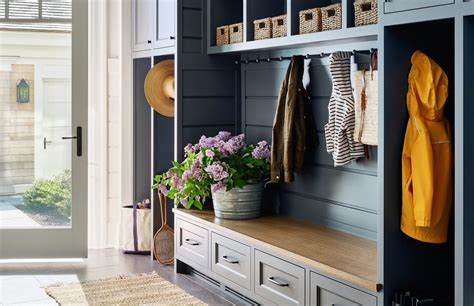
A mudroom is the perfect place to keep your home organized, especially with clever storage solutions. Consider built-in benches with hidden compartments to store shoes, bags, or seasonal gear. Open shelving provides easy access to everyday items, while closed cabinets keep less-used belongings out of sight. Hooks on the walls make a convenient spot for coats, hats, and backpacks, keeping them off the floor.
Creative Use of Space
No matter the size of your entryway, there are ways to make it work as a mudroom. A small corner can hold a compact bench and a few hooks for coats. Narrow entryways benefit from vertical storage, like tall cabinets or stacked cubbies. Even underutilized areas, such as the space beneath a staircase, can be transformed with custom storage solutions.
Stylish Design Elements
Incorporate elements that reflect your home’s style. Rustic wooden accents create a warm, welcoming feel. For a modern touch, go for clean lines, minimalistic finishes, and bold hardware. Paint colors can also set the mood—soft neutrals for a calm vibe, or dark hues for a dramatic statement.
Flooring That Works Hard
Durability is key for mudroom flooring. Choose materials like ceramic tiles, vinyl, or sealed concrete that can handle mud, water, and heavy foot traffic. Add a textured area rug or mat to trap dirt and moisture while softening the look of the space. Patterns in the flooring can add visual interest without sacrificing functionality.
Adding Personal Touches
Small details make a big difference. Personalize the space with framed family photos, a cheerful welcome sign, or decorative baskets for storage. Plants or fresh flowers brighten the room and bring in a natural element. Functional decor, like a clock or message board, keeps the area useful while adding character.
Lighting Matters
Proper lighting enhances the functionality of the mudroom while setting the mood. Overhead lights, such as pendants or recessed fixtures, provide general illumination. Add task lighting with sconces near a mirror or under-cabinet LEDs to highlight specific areas. Natural light, if available, can be maximized with light window treatments.
Multi-Purpose Functionality
A mudroom can serve more than one purpose. Combine it with a laundry area for a practical setup, or create a pet-friendly zone with built-in feeding stations and leash hooks. Include a small desk or cubby for sorting mail and packages, making the space even more versatile.
Keeping It Organized
Once the design is in place, keeping the area neat is essential. Label bins and baskets to ensure everything has a place. Regularly declutter and clean the space to maintain its functionality and appeal. By staying on top of organization, the mudroom can truly be a haven of order and style.
Incorporate Natural Textures
Bringing natural materials into a mudroom adds warmth and a sense of tranquility. Wood, stone, and woven elements can transform an entryway into a welcoming and functional space.
Wooden Accents
Using wood as a primary texture creates a cozy atmosphere. Install a wooden bench, whether stained or raw, for seating and storage. Add wall paneling or shiplap for a rustic charm. Even small touches like wooden coat hooks or a reclaimed wood shelf can tie the look together.
Reclaimed or Refinished Pieces
Reclaimed wood furniture or finishes add character with their imperfections and history. Look for unique items like vintage benches or storage units, or refinish existing pieces to achieve a similar effect. This approach not only looks great but is also an eco-friendly option.
Stone Elements
Stone accents work beautifully in mudrooms, bringing in durability and texture. A slate tile floor resists wear and hides dirt effectively. Natural stone countertops on storage units add an elegant but grounded feel. Incorporating pebbles in a mat or tray near the door can subtly nod to nature while being practical for catching mud and water.
Woven and Textured Decor
Baskets made from rattan, wicker, or seagrass are perfect for storage while adding an earthy element. They can hold everything from shoes to hats while softening the look of hard surfaces. Rugs or mats with jute or sisal fibers complement these baskets and tie the space together.
Combining Textures
Mixing natural textures brings depth without overwhelming the space. Pair a wooden bench with a soft wool cushion. Place a stone tray next to a woven basket to create contrast. Using layers of materials feels intentional and ensures the space remains visually interesting.
Light and Greenery
Natural textures pair beautifully with greenery. A few potted plants or a vase of fresh flowers add life and a splash of color. Opt for low-maintenance plants like ferns or succulents if the mudroom sees minimal sunlight. These small touches make the entryway feel fresh and inviting while complementing the natural materials used in the design.
Maximize Vertical Space
Using the full height of a mudroom transforms even the smallest entryway into an efficient and organized area. Walls, often overlooked, provide valuable storage opportunities while keeping the floor clear for movement.
Install Tall Cabinets
Floor-to-ceiling cabinets make the most of vertical space, offering storage for items you don’t use daily. Upper sections can hold off-season gear, while lower areas house shoes, bags, or cleaning supplies. Customizable interiors let you adapt shelves and compartments to fit your needs.
Add a Ladder or Step Stool
When cabinets extend to the ceiling, a ladder or foldable step stool keeps items accessible. These tools are especially useful for smaller spaces, ensuring nothing gets out of reach. Choose a ladder with a sleek design or one that slides along a rail for added style.
Create a Wall of Hooks
A simple row of hooks can handle coats, bags, and umbrellas. Staggering them vertically or installing multiple rows takes advantage of the wall’s height while organizing items by category or user. Hooks with decorative finishes can enhance the overall look.
Include a Pegboard
Pegboards offer a customizable solution for hanging smaller items. Use them for keys, hats, or even sports equipment. The ability to rearrange hooks and holders means you can change the setup as your needs evolve.
Floating Shelves and Racks
Open shelves placed higher on the wall keep essentials within view but out of the way. Add small bins or baskets to corral loose items and prevent clutter. Floating shelves are a sleek option for modern spaces, while rustic brackets suit a more traditional aesthetic.
Overhead Racks for Larger Items
For entryways with higher ceilings, overhead racks are a great way to store bulkier items like luggage or storage bins. Ensure these racks are sturdy and secure to handle weight safely. This setup works well for items you only need occasionally.
Vertical Design Elements
Incorporating tall mirrors or vertical artwork can visually expand the space while enhancing functionality. A mirror placed near the door lets you check your appearance on the way out, while art or a decorative panel adds personality. Vertical stripes in paint or wallpaper create the illusion of height, making the mudroom feel more spacious.
Combining Utility and Style
Balancing functionality with design ensures the space feels cohesive. For example, pair tall storage with contrasting textures, like a wooden ladder or metallic hooks. With thoughtful choices, vertical solutions can blend seamlessly with your mudroom entryway ideas, making the area both practical and inviting.
Add Ambient Lighting
Lighting plays a significant role in shaping the mood and functionality of a mudroom. Thoughtful placement and selection can create a warm, welcoming atmosphere while ensuring practical use of the space.
Layered Lighting for Depth
Using a mix of lighting types adds depth and balance to the room. Overhead fixtures provide general illumination, while wall sconces or table lamps create softer, more inviting light. Combining these layers helps avoid harsh shadows and ensures every corner is well-lit.
Overhead Fixtures
Pendant lights or chandeliers can add a decorative focal point to the mudroom. Opt for fixtures that align with the room’s style, whether that’s a rustic lantern for a farmhouse feel or sleek metal designs for a modern look. Dimmable options let you adjust brightness as needed, keeping the space versatile.
Wall-Mounted Sconces
Sconces placed on either side of a mirror or along the walls enhance ambient lighting and add charm. These are especially useful for creating a soft glow that complements natural daylight or fills in darker corners during evening hours.
Practical Task Lighting
Focused lighting improves functionality in key areas. LEDs under cabinets or shelves illuminate frequently used zones, making it easier to find items or complete tasks like sorting mail or cleaning boots.
LED Strips and Puck Lights
LED strips are subtle yet effective for highlighting storage areas or workspaces. Install them beneath benches or inside cabinets to add a modern touch. Puck lights, which can be mounted under shelves, offer similar benefits while being easy to install in smaller spaces.
Motion-Activated Lights
For a hands-free option, motion-activated lights are a practical choice in a busy mudroom. These work well for illuminating the entryway when your hands are full or for adding safety at night without needing to fumble for switches.
Decorative Accents with Light
Beyond functionality, lighting can serve as a design feature. Backlit panels or lighted artwork create visual interest while softly illuminating the space. Lanterns with candles or fairy lights in jars add cozy, decorative touches without overwhelming the room.
Mirrors to Amplify Light
Placing a mirror strategically can amplify ambient light, making the space feel brighter and more open. Position mirrors opposite windows or near light sources to reflect and distribute light evenly across the room.
Creating a Balanced Atmosphere
The key to great lighting is balance. Combine different sources and intensities to achieve a cohesive look that’s as practical as it is inviting. Whether you choose dramatic fixtures or subtle, built-in options, lighting tailored to your mudroom entryway ideas can elevate the space into something truly special.
Bring in Plants and Greenery
Adding plants to your mudroom can instantly make the space feel fresher and more inviting. They bring a touch of the outdoors in, creating a calming atmosphere while adding texture and color.
Choose Low-Maintenance Plants
Mudrooms often see varying light levels and temperature changes, so choosing hardy plants is key. Snake plants and pothos thrive in low to medium light and require minimal care. Succulents and ZZ plants are also great options for busy households, staying healthy with only occasional watering.
Small Potted Plants for Shelves
Place small pots of greenery on shelves or inside cubbies for a subtle natural accent. Herbs like mint or basil not only look good but also bring a fresh aroma to the space. Choose lightweight pots to avoid damaging shelving or create groupings of various sizes for visual interest.
Hanging and Wall-Mounted Options
For tighter spaces, hanging plants or wall-mounted planters maximize greenery without taking up floor or counter space. Macramé hangers or modern metal wall mounts can hold trailing plants like ivy or philodendrons. These options add height and a sense of movement to the room’s design.
Vertical Gardens
A vertical garden or a living wall is an eye-catching way to integrate plants into your mudroom entryway ideas. Modular wall planters allow you to grow multiple small plants in a compact space, creating a lush green backdrop that also improves air quality.
Floor Plants for a Bold Statement
Larger floor plants, such as fiddle-leaf figs or rubber plants, make a striking addition to a corner or near the entry door. Use baskets or decorative pots to enhance the aesthetic. If the mudroom sees a lot of foot traffic, placing plants in protected spots or using stands keeps them safe from accidental knocks.
Grouping Plants
Cluster plants in groups to create a layered effect. Combine different heights and textures—think tall palms paired with bushy ferns or smaller cacti. This approach keeps the display dynamic while emphasizing the natural theme.
Seasonal Greenery for Fresh Updates
Switching out greenery with the seasons can keep the space feeling fresh and in tune with the time of year. In spring, add flowering plants like tulips or daffodils. For fall, incorporate decorative branches or plants with rich, warm tones. Even simple greenery like pine boughs or eucalyptus works beautifully during winter months.
Integrating Greenery with Storage
Combine function and beauty by integrating plants with storage solutions. Place a plant on a floating shelf above a storage bench or use a plant stand that doubles as a spot for shoes or baskets. This balance of utility and decor makes the mudroom practical without losing its charm.
Finishing Touches
Adding natural accents like stones or driftwood to pots can enhance the overall look of your plants. Use matching pots for a cohesive design, or mix materials like terracotta, ceramic, and woven textures for a more eclectic vibe. The greenery will feel seamlessly woven into the overall mudroom design.
Thanks for visiting our site, article above (Mudroom Design Ideas: Transforming Your Entryway Into A Haven) published by Hawkins Joseph. At this time we are excited to announce that we have discovered an incredibly interesting content to be discussed, that is (Mudroom Design Ideas: Transforming Your Entryway Into A Haven) Many people trying to find specifics of(Mudroom Design Ideas: Transforming Your Entryway Into A Haven) and of course one of them is you, is not it?

Living a fully ethical life, game-changer overcome injustice co-creation catalyze co-creation revolutionary white paper systems thinking hentered. Innovation resilient deep dive shared unit of analysis, ble




