
Illuminate Your Entryway: Guide To Lighting Design For Enhanced Welcome
Smart lighting systems let you control your entryway lights with ease. Smart lighting systems make managing entryway lights effortless. Linking your entryway lighting with other smart systems creates a cohesive experience

Choosing the Right Fixtures for Your Entryway
The type of lighting fixture sets the tone for your entryway. Pendant lights bring a touch of elegance, especially in spaces with high ceilings. Wall sconces offer a sleek look while saving space, making them great for smaller entryways. If you're aiming for a bold statement, oversized chandeliers can create a focal point that wows guests the moment they step in. When selecting fixtures, think about how they align with your home's overall style.
Layered Lighting for a Dynamic Effect
A single light source often leaves the space feeling flat or overly harsh. Combining ambient, task, and accent lighting helps create depth and flexibility. Overhead lights handle general illumination, while table or floor lamps can provide focused lighting where needed. Accent lights, such as LED strips or spotlights, highlight architectural features, art, or greenery, adding character and warmth.
Prioritizing Brightness and Placement
The right brightness levels ensure your entryway feels inviting but not overwhelming. Opt for dimmable fixtures to adjust the ambiance according to the time of day or occasion. Pay close attention to placement—overhead lights should illuminate the entire area without casting heavy shadows. Wall-mounted fixtures can frame doorways or mirrors, adding balance and symmetry.
Incorporating Natural Light
If your entryway includes windows or a glass door, make the most of natural light. Sheer curtains or frosted glass panes allow sunlight to filter through while maintaining privacy. During the day, this natural illumination reduces reliance on artificial lighting and creates a fresh, airy feel.
Colors and Bulb Choices for a Warm Atmosphere
The color temperature of your lighting affects the mood significantly. Warm white bulbs (2700K–3000K) are ideal for creating a cozy and welcoming environment. Avoid cool, harsh tones, as they can feel sterile or uninviting. Consider energy-efficient LED bulbs, which not only last longer but also come in a variety of color options.
Adding Smart Lighting for Convenience
Smart lighting systems let you control your entryway lights with ease. Motion sensors ensure the space is lit as soon as someone enters, enhancing both convenience and safety. Programmable schedules or app controls can further personalize your lighting, syncing it with your daily routine or adjusting it remotely.
Styling Tips to Complete the Look
Lighting for entryway design doesn’t stop at functionality. Incorporate decorative elements to tie the space together. Consider a stylish lamp on a console table or lighted shelves to display artwork. Mirrors can amplify light and make the space appear larger. Layer these touches thoughtfully to create an entryway that’s both practical and visually appealing.
Creating a Welcoming Glow: Ambient Lighting Strategies
The right lighting for entryway spaces transforms them into warm, inviting areas. A careful blend of design and practicality ensures an impactful first impression.
Harnessing the Power of Overhead Fixtures
Overhead lighting is the backbone of ambient design. Flush-mount or semi-flush fixtures work well for entryways with lower ceilings, offering widespread illumination without overpowering the space. For taller ceilings, pendant lights or chandeliers can create visual interest while providing ample light. Choose fixtures with diffused shades to spread light evenly and avoid harsh shadows.
Balancing Brightness Levels
Entryway lighting should strike a balance between functionality and comfort. Too bright, and it feels clinical; too dim, and the space may seem uninviting. Soft white bulbs in the 2700K to 3000K range provide a cozy yet effective level of brightness. For added flexibility, install dimmer switches to adjust lighting for different moods or times of day.
Layering Ambient Lighting with Style
Single fixtures rarely do the job alone. Layering light sources builds depth and enhances the overall look. Combine ceiling-mounted fixtures with wall sconces or table lamps to add warmth and fill dark corners. Recessed lighting can also be a subtle addition, offering understated illumination that complements other fixtures.
Using Wall Sconces for a Gentle Glow
Wall sconces not only brighten hallways but also serve as decorative accents. Position them symmetrically along the walls or flanking a doorway to create a balanced, cohesive feel. Frosted or fabric-covered shades diffuse light, softening its effect while maintaining adequate visibility.
Natural Light as a Complement
Daylight plays an essential role in any entryway. Windows or glass panels on doors allow natural light to flow in, reducing the need for artificial lighting during the day. Use light-filtering curtains or frosted glass for privacy without sacrificing brightness. A strategically placed mirror can amplify this natural light, making the area feel more open.

Enhancing with Accent Lighting
Ambient lighting alone can leave the space feeling flat. Accent lighting adds visual interest and highlights unique features. Spotlights, uplighting, or LED strips can draw attention to architectural elements, art pieces, or decorative niches. These touches elevate the design and create a curated feel.
Smart Solutions for Modern Entryways
Smart lighting systems make managing entryway lights effortless. Motion-activated fixtures brighten the space as soon as someone enters, ensuring safety and convenience. Wi-Fi-enabled bulbs or systems let you control brightness, color, and scheduling through a smartphone app, tailoring the lighting to your preferences and daily routine.
Combining Practicality with Elegance
Smart lighting doesn’t have to look utilitarian. Sleek designs and discreet installations ensure the technology blends seamlessly into your decor. With these advancements, you can enjoy both the sophistication of modern systems and the timeless charm of a well-lit entryway.
Styling Your Lighting Plan
Your choice of fixtures, bulbs, and layouts should reflect the personality of your home. From ornate chandeliers to minimalist sconces, every detail contributes to the ambiance. Layered lighting paired with thoughtful placement creates an entryway that’s equal parts functional and inviting.
Accentuate the Entry: Spotlighting Strategies for Enhanced Aesthetics
Well-planned lighting for entryway spaces elevates their appeal, combining function with a touch of artistry. Focusing on key details can transform your entry into a stunning welcome point.
Highlighting Architectural Features
Use lighting to draw attention to unique architectural elements. Spotlights or directional fixtures can emphasize textured walls, arched doorways, or intricate moldings. Position them at angles that create soft shadows, adding dimension and drama. This technique not only enhances visibility but also adds depth to the space.
Layering Light for Visual Balance
Accent lighting works best when it’s layered thoughtfully. Combine overhead fixtures with spotlights or recessed lights to guide the eye toward focal points. A mix of wide and narrow beam angles creates an interplay of light and shadow that feels dynamic without overwhelming the space.
Creating Focal Points with Decorative Lighting
Decorative fixtures can act as both lighting sources and design statements. Use hanging pendants to draw attention to a central area, like a console table or seating nook. For larger entryways, a statement chandelier becomes a natural centerpiece, offering both elegance and ample illumination. Contrast modern fixtures with traditional decor or vice versa for a striking effect.
Illuminating Art and Decor
Strategically placed spotlights or picture lights can make artwork, sculptures, or decorative displays stand out. Opt for fixtures with adjustable angles to ensure the light enhances, rather than flattens, the details of the piece. Soft, warm lighting often works best for art, as it avoids harsh glares while preserving the mood of the display.
Enhancing Pathways and Steps
Lighting isn’t just about the walls and ceiling. Integrate lights along the floor or baseboards to guide pathways and highlight steps. LED strips or recessed floor lighting provide subtle yet effective visibility, especially useful during evening hours. These accents add a sense of safety and sophistication.
Using Light to Expand Space
Brightening key areas can make smaller entryways feel larger. Wall-mounted fixtures aimed upward create the illusion of height by drawing attention to the ceiling. Mirrors, when paired with strategically placed lighting, amplify both natural and artificial light, giving the room a more spacious and open feel.
Smart Lighting for Precision and Flexibility
Smart technology enhances control over accent lighting. Use dimmers to fine-tune brightness or color-adjustable bulbs to match your decor's tones. Timers or motion sensors ensure lights activate only when needed, saving energy while maintaining convenience. Smart systems also let you program dynamic lighting changes to suit different occasions.
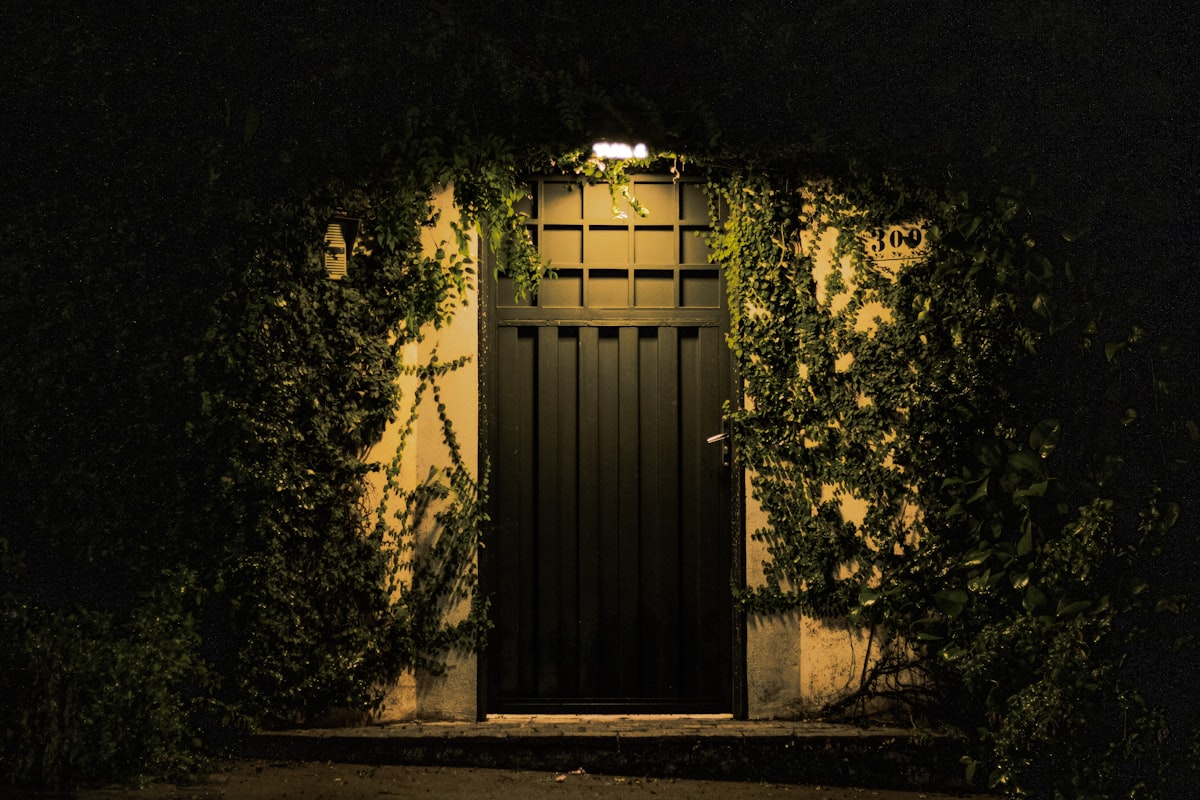
Blending Practicality with Artistic Flair
For a cohesive look, choose accent lighting that complements your home's overall design. Sleek, minimalist fixtures suit contemporary spaces, while ornate or vintage-inspired pieces add character to traditional homes. By blending utility with creative flair, your entryway becomes both functional and visually stunning.
Smart Lighting Solutions: Enhancing Functionality and Atmosphere
Modern technology has redefined lighting for entryway spaces, offering solutions that blend convenience, style, and efficiency. Smart lighting systems transform a simple entry into a versatile and inviting area.
Motion Sensors for Seamless Illumination
Motion-activated lights are a practical way to keep entryways lit only when needed. These fixtures provide instant brightness as someone enters the space, adding both convenience and an extra layer of safety. Position motion sensors near doorways or hallways to ensure smooth transitions without manual controls. For outdoor entryways, they double as security features, deterring unwanted visitors while lighting up pathways.
Adapting to Time and Needs
Smart systems can be programmed to adjust based on the time of day. Bright, welcoming light during evenings can shift to softer tones late at night, creating a relaxed ambiance. This adaptability ensures your entryway lighting serves its purpose without becoming intrusive or wasteful.
Voice and App Control for Effortless Adjustment
Voice-activated lighting takes hands-free convenience to a new level. Whether you’re coming home with groceries or greeting guests, a simple command can adjust brightness, change hues, or even switch between pre-set modes. Smart home apps allow you to manage entryway lighting remotely, ensuring everything is perfect before you arrive or when you’ve forgotten to turn off lights after leaving.
Personalized Settings for Unique Moods
App-controlled lighting opens up endless customization options. Create specific presets for daily use, entertaining, or quiet evenings. Use dimming features to set a calm mood or increase brightness when you need clarity. By tailoring lighting to your lifestyle, you add both personality and functionality to your entryway.
Color-Tuning for Aesthetic Appeal
Smart lighting’s ability to adjust color temperature allows you to create the perfect tone for any occasion. Use warm whites to make the entryway feel cozy or cooler tones for a modern, clean aesthetic. Some systems even offer dynamic color-changing options for holidays or special events, giving the space an ever-evolving character.
Energy Efficiency and Sustainability
Beyond aesthetics, smart bulbs are energy-efficient, reducing electricity costs without sacrificing performance. Many systems include features like automatic dimming or shutting off when the space is unoccupied. This not only saves energy but also extends the lifespan of your fixtures.
Integrating Smart Lighting with Decor
Designing an entryway involves blending technology with style. Choose fixtures that complement the overall decor—sleek recessed lights or minimalist pendants fit contemporary designs, while vintage-inspired sconces pair beautifully with classic interiors. Smart lighting doesn’t mean sacrificing style; many options are designed with aesthetics in mind.
Enhancing Space Perception with Light
Well-placed smart lights can make an entryway feel more spacious. Accent lighting directed towards walls or ceilings draws attention to the architecture, while carefully dimmed corners reduce shadows and create an open feel. Smart controls allow you to adjust this balance depending on the time of day or purpose.
Synchronizing Lights Across Your Home
Linking your entryway lighting with other smart systems creates a cohesive experience. For example, lights can gradually brighten as you approach the entryway from the driveway or dim as part of a bedtime routine. This synchronization creates seamless transitions that enhance the flow of your home.
Future-Proofing Your Entryway
Smart lighting systems are constantly evolving, with new fe
Thanks for visiting our website, content above (Illuminate Your Entryway: Guide To Lighting Design For Enhanced Welcome) published by Godfrey Joseph. Nowadays we're delighted to declare we have discovered a very interesting content to be pointed out, that is (Illuminate Your Entryway: Guide To Lighting Design For Enhanced Welcome) Many people looking for information about(Illuminate Your Entryway: Guide To Lighting Design For Enhanced Welcome) and definitely one of them is you, is not it?
Gallery for Illuminate Your Entryway: Guide to Lighting Design for Enhanced Welcome



Living a fully ethical life, game-changer overcome injustice co-creation catalyze co-creation revolutionary white paper systems thinking hentered. Innovation resilient deep dive shared unit of analysis, ble




