
How To Make An Entryway Table
The exact tools will vary based on your design and chosen materials. You'll likely need a saw, drill, sander, clamps, wood glue, screws, and your chosen materials (wood, metal, etc. )
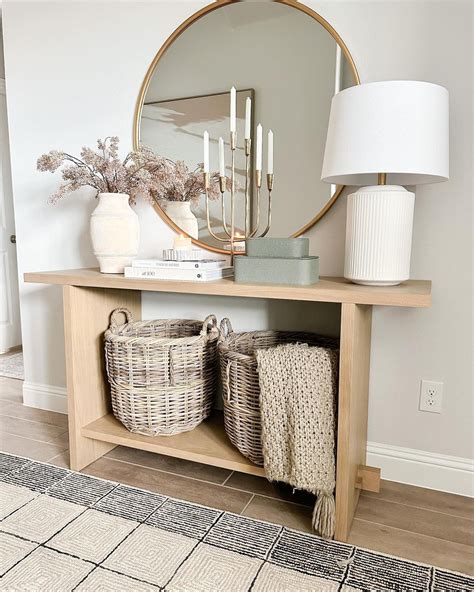
How to Make an Entryway Table
Planning Your Project: More Than Just a Table
First, you'll need a plan. This isn't brain surgery, but a little forethought goes a long way. Decide what style you want. Are we talking rustic farmhouse? Sleek and modern? Maybe something mid-century? The style dictates the materials. Think about the size too. It needs to fit comfortably in your entryway without overwhelming the space. You'll also want to consider the height – too low and it’s awkward; too high and it feels imposing.
Choosing Your Materials: Wood, Metal, or Something Else?
Next comes choosing your materials. Solid wood is classic, offering durability and warmth. Reclaimed wood adds character. Metal offers a more industrial or contemporary feel. If you're feeling adventurous, consider a combination – maybe a metal frame with a wooden top. Availability and cost will play a part in your decision, naturally. Don’t forget the finish! A simple stain or paint can dramatically change the look.
Gathering Your Tools: A Quick Checklist
Before you start hammering, ensure you've gathered everything. You'll need basic woodworking tools, like a saw, drill, and sander. Clamps are also essential for keeping things together while the glue dries. The exact tools will vary based on your design and chosen materials. Check your design plans again to ensure you have everything you need, for safety and efficiency.
Constructing the Frame: The Foundation of Your Table
Start with the frame. This provides the structural support for the entire piece. Carefully measure and cut your wood or metal according to your design. If using wood, make sure to pre-drill holes to prevent splitting. Assemble the frame, making sure everything is square and level. Clamps are invaluable during this stage.
Adding the Top: The Finishing Touch
Once the frame is solid, it's time for the tabletop. You can use a single piece of wood, or several smaller pieces joined together for a more interesting look. Attach the tabletop securely to the frame, again using glue and appropriate fasteners. Sand down any rough edges or imperfections.
Finishing Touches: Personalizing Your Table
Now comes the fun part: finishing. Sand everything thoroughly to achieve a smooth surface. Apply your chosen stain or paint. A protective sealant will extend the life of your table. Consider adding some hardware – stylish knobs or pulls can add a unique touch.
Enjoy Your New Entryway Table!
Remember safety first throughout the project. Always wear appropriate safety gear, like safety glasses and a dust mask. Take your time and enjoy the process. Building something with your own hands is incredibly rewarding.
How to Make an Entryway Table
Designing the Perfect Entryway Table
Consider the space you have available. A small entryway needs a small table, and vice versa. Measure the area carefully to ensure your table fits comfortably without feeling cramped or overwhelming. Think about the existing décor in your entryway. Do you want the table to blend seamlessly, or act as a statement piece?
Style and Function
What kind of style are you going for? A rustic farmhouse table, a sleek mid-century modern design, or something completely unique? This decision greatly influences your material choices and overall design. Function is key too. Will your table primarily serve as a place to drop keys and mail, or do you need extra storage? Incorporate features like drawers or shelves if needed.
Material Selection
The materials you choose impact both the aesthetic and the durability of your entryway table. Solid wood offers warmth and timeless appeal, while metal provides a more industrial or modern feel. Reclaimed wood adds character and sustainability. Consider the weight and maintenance requirements of different materials.
Building Your Entryway Table: A Step-by-Step Guide
Before you begin, gather all your tools and materials. This will ensure a smoother and more efficient building process. You'll likely need a saw, drill, sander, clamps, wood glue, screws, and your chosen materials (wood, metal, etc.). Check your design plans one last time, and ensure you have the correct sizes.
Constructing the Frame
The frame is the foundation of your table. Carefully cut and assemble the frame pieces according to your plans. Ensure everything is square and secure. Use clamps to hold the pieces in place while the glue dries. Pre-drilling holes in wood helps prevent splitting.
Attaching the Tabletop
Once the frame is complete, attach the tabletop. You can use a single piece of wood, or multiple smaller pieces joined together. Ensure the tabletop is securely fastened to the frame.
Finishing Touches
Sand all surfaces smooth before applying any finish. Choose a stain, paint, or sealant that complements your style and protects the wood or metal. Consider adding hardware like knobs or pulls to enhance the design. A protective sealant is also a good idea to add longevity to the furniture.
How to Make an Entryway Table
Materials Needed for Your DIY Project
This section details the essential materials for building your entryway table. The specific quantities will depend on your chosen design and dimensions. Remember to always purchase slightly more material than you initially calculate to account for potential errors or waste.
Wood Selection
If you're opting for a wooden table, the type of wood significantly impacts the final look and durability. Hardwoods like oak, maple, or walnut offer strength and a luxurious feel, but are typically more expensive. Softer woods like pine or fir are more affordable but may scratch or dent more easily. Reclaimed wood provides a unique aesthetic and sustainable choice. Consider the wood’s grain, color, and overall character when selecting your pieces.
Wood Dimensions
Measure your design carefully and purchase lumber accordingly. Account for the dimensions of the tabletop, legs, supports, and any additional features like shelves or drawers. Always buy slightly extra to accommodate potential mistakes or imperfections in the wood. Consider the thickness of the wood as this can drastically affect the table's overall sturdiness.
Hardware and Fasteners
Your project will require various hardware and fasteners to hold everything together. This includes screws (various lengths and sizes), wood glue (a high-quality wood glue is crucial), clamps (to secure pieces while the glue dries), and potentially other items based on your specific design. If you plan on incorporating drawers, you'll also need drawer slides and the appropriate hardware.
Finishing Supplies
Once your table is assembled, you'll need finishing supplies to protect and enhance its appearance. This could include wood stain (choose a color that suits your style), wood sealant (to protect against moisture and damage), paint (if you prefer a painted finish), and brushes or rags for application. Consider a high-quality sealant for better durability and longevity.
Optional Extras
Depending on your design, you might also need additional materials. These could include decorative hardware (knobs, pulls), felt pads (to protect your floors), or specialized tools (for shaping curves or intricate designs). If your design incorporates metal components, you'll need the appropriate metal stock and tools for cutting and shaping. Consider adding casters to the legs for easier mobility.
How to Make an Entryway Table
Step-by-Step Instructions for Assembly
This detailed guide provides a comprehensive walkthrough for constructing a high-quality entryway table. Precision and careful attention to detail are key to achieving a professional-looking finish. Always prioritize safety and wear appropriate protective gear throughout the process.
Preparing Your Workspace
Before beginning, prepare a clean and spacious workspace. Ensure you have adequate lighting and ventilation. Gather all your tools and materials within easy reach to avoid interruptions during the assembly process. A well-organized workspace significantly contributes to a smoother and more efficient build. Consider using a workbench or a sturdy table to support your project.
Accurately Cutting Your Lumber
Precise cuts are paramount for a well-fitting and stable table. Use a high-quality saw – a miter saw or table saw is ideal – to ensure accurate cuts. Measure twice, cut once. Mark your lumber clearly and precisely before making each cut to avoid errors. Consider using a speed square to create perfect 90-degree angles.
Assembling the Frame
Begin by assembling the frame of your entryway table according to your design plans. If using wood, apply a generous amount of high-quality wood glue to the joints before securing them with screws. Pre-drilling pilot holes prevents wood from splitting. Use clamps to hold the joints firmly in place while the glue dries. Check for squareness and adjust as needed to ensure a perfectly aligned frame.
Attaching the Tabletop
Once the frame is assembled and the glue is dry, carefully attach the tabletop. If using a single piece of wood, ensure it's properly aligned and centered on the frame before securing it with screws or bolts. If using multiple pieces, ensure the joints are tightly aligned and properly glued before fastening. Take extra care to achieve a seamless and aesthetically pleasing tabletop surface.
Adding Finishing Touches
Once the primary structure is complete, sand all surfaces smooth to remove any imperfections or rough edges. Use progressively finer grit sandpaper to achieve a polished finish. Apply your chosen finish – stain, paint, or sealant – according to the manufacturer's instructions. Allow ample drying time between coats for optimal results. Consider adding decorative hardware like knobs or pulls to enhance the design and functionality of your table.
Applying a Protective Sealant
A protective sealant is crucial for preserving the beauty and longevity of your entryway table. Choose a high-quality sealant appropriate for your chosen material. Apply several thin coats, allowing each coat to dry completely before applying the next. This final step protects your table from scratches, spills, and general wear and tear, ensuring it remains a stylish and functional centerpiece in your entryway for years to come.
Summary of "How to Make an Entryway Table"
This article provides a comprehensive guide on how to make an entryway table, covering everything from initial design and material selection to the step-by-step assembly process and finishing touches. It emphasizes careful planning, precise measurements, and the use of high-quality materials and tools. The guide walks you through choosing a style, selecting appropriate materials (wood, metal, or a combination), gathering necessary tools, constructing the frame and attaching the tabletop, and finally, applying the finishing touches like sanding, staining, painting, and sealing. Detailed instructions are given for each step, ensuring a successful project even for beginners. The article also covers important considerations such as workspace preparation, accurate cutting techniques, and the use of proper safety precautions throughout the construction process. Overall, it offers a practical and detailed approach to creating a beautiful and functional entryway table.
Frequently Asked Questions (FAQ)
Q: What are the basic tools I need to make an entryway table?
A: The essential tools for making an entryway table include a saw (miter saw or table saw is recommended), drill, sander, clamps, measuring tape, pencil, and safety glasses. Additional tools might be needed depending on your design, such as a router or specialized bits.
Q: What type of wood is best for an entryway table?
A: Hardwoods like oak, maple, or walnut are durable and offer a beautiful finish, but are more expensive. Softer woods like pine or fir are more affordable but might scratch more easily. The best choice depends on your budget and desired aesthetic. Reclaimed wood also offers a unique character.
Q: How can I ensure my table is sturdy and won't wobble?
A: Sturdiness is achieved through precise cuts, strong joints (using wood glue and screws), and a well-constructed frame. Ensure all corners are square and that the tabletop is securely attached to the frame. Consider using additional bracing or supports for added stability if needed.
Q: What type of finish should I use on my entryway table?
A: The best finish depends on your aesthetic preferences and the type of wood you used. Stain enhances the wood grain, while paint provides a solid color. A sealant is always recommended to protect the table from moisture and scratches.
Q: How long does it typically take to make an entryway table?
A: The time it takes to build an entryway table varies significantly based on the complexity of the design, your experience level, and the time you dedicate to the project. A simple design might take a weekend, while a more intricate one could take several days or even longer.
Q: Where can I find detailed plans for making an entryway table?
A: Many online resources, including woodworking websites and blogs, offer free and paid plans for entryway tables. You can also find inspiration and design ideas on sites like Pinterest and Instagram. Remember to choose plans that match your skill level and available tools.
Q: I'm a beginner. Is this project too difficult for me?
A: While some woodworking experience is helpful, a simple entryway table design is achievable even for beginners. Start with a straightforward design, follow the instructions carefully, and don't hesitate to seek assistance or clarification if needed. Remember that patience and attention to detail are key to a successful project. Learning how to make an entryway table is a rewarding experience.
Thanks for visiting our blogs, article above (How To Make An Entryway Table) published by Carey Corey. Nowadays we are excited to announce that we have found a very interesting topic to be reviewed, namely (How To Make An Entryway Table) Many people searching for information about(How To Make An Entryway Table) and of course one of these is you, is not it?

Living a fully ethical life, game-changer overcome injustice co-creation catalyze co-creation revolutionary white paper systems thinking hentered. Innovation resilient deep dive shared unit of analysis, ble




