
How To Make An Entryway Bench
A minimalist entryway might benefit from a sleek, modern bench crafted from clean lines and a single wood type. Mortise and tenon joints, dovetail joints, or even simple butt joints reinforced with strong wood glue and screws are all excellent options, depending on your skill level and desired aesthetic. The type of joinery you choose will depend on your skill level, the type of wood youâre using, and the overall design of your bench
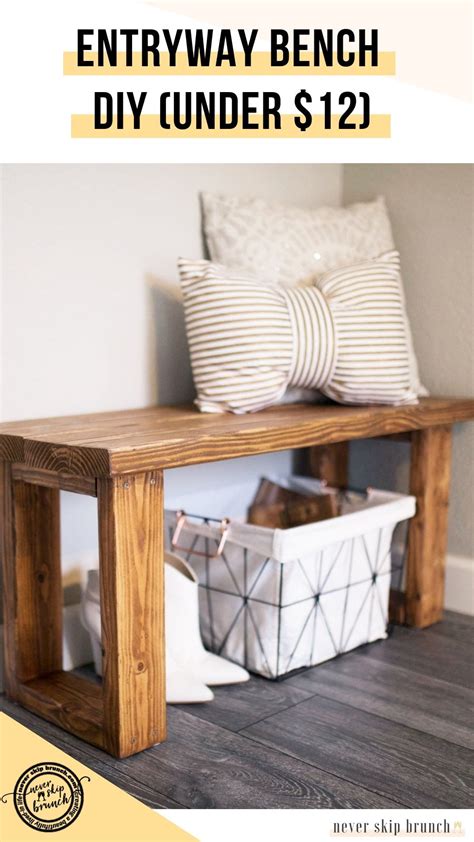
How to Make an Entryway Bench
Planning Your Perfect Bench
First, you'll need a plan. Think about the space you have. A narrow hallway calls for a slim bench; a wider entry might handle something more substantial. Sketch it out, even if it's just a rough drawing. Consider the height – you want it comfortable for sitting, but not so high it's awkward. Material choice is key too. Pine is affordable and easy to work with. If you want something more robust, oak or maple are excellent choices.
Gathering Your Materials
Once you know the dimensions, you can create a shopping list. You’ll need lumber, obviously. Screws are essential, and wood glue adds strength. Sandpaper is a must for a smooth finish. Don't forget a saw – a circular saw is handy, but a handsaw works fine if you’re more comfortable with it. A drill is helpful for pilot holes, preventing wood splitting. You might even want a stain or paint to finish it.
Choosing Your Wood
The type of wood significantly impacts the final look and feel. Pine provides a lighter, more rustic feel, while hardwoods offer a more sophisticated and durable result. Consider the overall style of your entryway when making your selection. A rich, dark stain on oak might not suit a brightly colored space.
Assembling Your Bench
Start by cutting the lumber according to your plan. Accurate cuts are crucial for a sturdy bench. Next, assemble the frame. Use wood glue and screws to join the pieces securely. Remember to pre-drill pilot holes to avoid splitting the wood. Once the frame is solid, add the seat. This could be a single piece of wood or several smaller boards for a more rustic look.
Attaching the Seat
Attaching the seat is pretty straightforward. Again, glue and screws are your friends. Make sure everything is aligned and clamped firmly while the glue sets. A little extra clamping time never hurts. If using multiple boards, ensure even spacing for a consistent appearance.
Finishing Touches
After everything is assembled, it’s time to sand. Sanding smooths out any rough edges and prepares the surface for the finish. Start with coarser grit sandpaper, then gradually move to finer grit for a silky smooth feel. Finally, apply your stain or paint, letting each coat dry completely before applying the next. Let it cure before using the bench to ensure the finish is properly sealed.
How to Make an Entryway Bench
Designing Your Dream Bench
Consider your entryway's existing aesthetic. A minimalist entryway might benefit from a sleek, modern bench crafted from clean lines and a single wood type. Conversely, a more traditional space could be enhanced with a bench showcasing intricate joinery or a distressed, antique finish. Sketch several designs, exploring different dimensions and styles. Consider the height: a lower bench is great for shoe storage; a taller bench might be more comfortable for seating. Will you incorporate storage? Drawings will help you visualize the final product and refine your design choices.
Material Selection: Quality Over Quantity
The choice of wood profoundly impacts the bench's durability, aesthetic, and overall cost. Hardwoods like oak, maple, or walnut offer exceptional strength and longevity, lending a sense of sophistication and elegance. They may require more skill to work with but ultimately reward you with a timeless piece. Softer woods, such as pine or fir, are more forgiving for beginners, offering a rustic charm and lower price point. However, they may require more frequent maintenance.
Hardware and Finishes: Adding the Perfect Touch
Don't overlook the details. High-quality hardware, like sturdy hinges for storage compartments or elegant drawer pulls, can significantly elevate the bench's appearance. Choose a finish that complements your entryway's style and the chosen wood. Consider options beyond simple paint or stain: a clear sealant will preserve the wood's natural beauty; a high-quality wax finish will add a touch of richness and luster. Explore options like ebonizing or liming for unique visual effects.
Construction Techniques: Precision and Patience
Start with precise measurements. Accurate cuts are crucial for a perfectly fitted bench. Utilize high-quality joinery techniques for superior strength and durability. Mortise and tenon joints, dovetail joints, or even simple butt joints reinforced with strong wood glue and screws are all excellent options, depending on your skill level and desired aesthetic. Remember that pre-drilling pilot holes prevents wood splitting when driving screws.
Assembling the Frame: A Foundation of Strength
The bench frame provides the structural integrity of the entire piece. Ensure it’s square and true, using clamps to hold the components securely during glue-up. Take your time to double-check the angles and measurements before permanently joining the pieces. A perfectly square frame is essential for a stable and visually appealing finished product.
Attaching the Seat and Storage (If Applicable)
Attaching the seat requires careful attention to alignment and secure fastening. Depending on your design, the seat could be a single piece of wood, multiple planks, or even upholstered cushions. If incorporating storage, ensure the drawer mechanisms operate smoothly and quietly. Appropriate hardware and precise installation are critical for seamless functionality.
Finishing Touches: The Grand Reveal
Once the assembly is complete, a meticulous sanding process will create a smooth, even surface. Begin with coarser grit sandpaper and gradually progress to finer grits for a flawlessly smooth finish. After sanding, apply your chosen finish, whether it's stain, paint, or sealant. Multiple thin coats are preferable to one thick coat, ensuring even coverage and avoiding drips or runs. Allow ample drying time between coats for optimal durability.
How to Make an Entryway Bench
Choosing the Right Materials
Selecting the right materials is crucial for building a durable and aesthetically pleasing entryway bench. The choices you make will influence both the longevity and the overall look of your project. This isn't just about picking wood; it's about understanding the properties of different materials and how they'll perform under daily use.
Wood Selection: Durability and Aesthetics
The heart of your bench lies in the wood you choose. Hardwoods, like oak, maple, and walnut, offer superior strength and resistance to wear and tear. They boast a beautiful grain and can take a high-quality finish exceptionally well, resulting in a timeless piece. However, they come with a higher price tag and may require more skill to work with. Softer woods, such as pine or fir, are more budget-friendly and easier to cut and shape, ideal for beginners. While they may not be as durable as hardwoods, they still offer a charming rustic appeal and can be enhanced with protective finishes. Consider the overall style of your entryway when deciding; a rich, dark stain on oak might clash with a bright, modern space.
Beyond the Lumber: Hardware and Fasteners
Don't underestimate the importance of quality hardware and fasteners. Sturdy screws designed for woodworking are essential for robust joints, preventing wobbles and ensuring longevity. Consider using wood glue in conjunction with screws for added strength. If incorporating drawers or storage, choose high-quality drawer slides that operate smoothly and quietly. Hinges should be durable and aesthetically pleasing, complementing the overall design. Remember that even the smallest details—like the type of screw head—can impact the final look and feel of your bench.
Finishes: Protecting and Enhancing Your Bench
The finish protects your bench from scratches, spills, and general wear and tear, while also enhancing its appearance. A clear sealant will showcase the natural beauty of the wood, highlighting its grain and color. Stain adds depth and richness, allowing you to customize the color to match your décor. Paint provides a more dramatic transformation, covering the wood grain completely and offering endless color possibilities. Consider the level of protection required and the desired aesthetic when selecting your finish. A high-quality finish is an investment that will prolong the life of your bench and keep it looking its best for years to come. Explore options such as polyurethane for durability or a more natural wax finish for a softer, more subtle look.
Construction Techniques for a Sturdy Bench
Careful planning and precise execution are crucial for building a sturdy and aesthetically pleasing entryway bench. While there are many approaches, the following steps provide a strong foundation for a successful project. Remember that attention to detail at each stage will directly translate to the final product's quality and durability.
Cutting and Shaping the Lumber
Accurate measurements and precise cuts are the cornerstones of any successful woodworking project. Before you start cutting, double- and triple-check your measurements. Use sharp tools—a sharp saw, for example, will result in cleaner, more accurate cuts. A miter saw or table saw is recommended for achieving perfectly angled cuts, but a hand saw can work perfectly well with careful attention to detail. Use appropriate safety gear, including safety glasses and a dust mask, to protect yourself from flying debris and airborne particles. If using power tools, be sure to consult your tool's user manual for proper operation instructions and safety precautions.
Assembling the Bench Frame
The frame provides the structural integrity of the entire bench. Choose appropriate joinery techniques based on your skill level and the desired aesthetic. Simple butt joints reinforced with wood glue and screws are a solid starting point for beginners. More advanced techniques, such as mortise and tenon or dovetail joints, offer superior strength and a more sophisticated look. Ensure the frame is square and true, using clamps to hold the pieces securely during glue-up. Allow sufficient drying time for the glue to cure completely before proceeding to the next steps. Take your time at this stage; a solid frame is the foundation of a sturdy and long-lasting bench.
How to Make an Entryway Bench
Building the Frame: The Foundation of Your Bench
A well-constructed frame is the key to a sturdy and long-lasting entryway bench. Precision and attention to detail in this phase will pay dividends in the final product's stability and overall appearance. The choice of joinery techniques significantly impacts both the strength and the aesthetic appeal of the finished bench.
Selecting Your Joinery: Strength and Style
Several joinery techniques can be employed when building the bench frame, each offering a different balance of strength and aesthetic appeal. Simple butt joints, reinforced with wood glue and screws, are a straightforward option suitable for beginners. However, for increased strength and a more refined look, consider mortise and tenon joints or even dovetail joints, though these require more skill and precision. The type of joinery you choose will depend on your skill level, the type of wood you’re using, and the overall design of your bench.
Cutting and Preparing the Lumber: Accuracy is Key
Before assembling the frame, accurately cut all the lumber components to the required dimensions. Precise measurements are paramount; even slight discrepancies can compromise the frame's structural integrity. Use a sharp saw to ensure clean, straight cuts, and double-check your measurements before each cut. Pre-drilling pilot holes for screws is essential to prevent wood splitting. Properly prepared lumber will make assembly significantly easier and result in a more professional-looking finished product. Using a miter saw or table saw will ensure precise angles for clean miter joints, further enhancing the overall appearance and strength of the frame.
Assembling the Frame: Precision and Patience
With the lumber cut and prepared, you can begin assembling the bench frame. Accuracy and patience are essential during this phase; rushing the process can lead to errors that compromise the stability and appearance of the final product. Clamps are invaluable during assembly, holding the pieces firmly in place while the glue dries.
Gluing and Clamping: Ensuring a Strong Bond
Apply a generous amount of high-quality wood glue to the joint surfaces, ensuring complete coverage. Then, firmly clamp the pieces together, applying even pressure to all areas of the joint. Check frequently for alignment and squareness, adjusting the clamps as necessary to ensure proper alignment. Allow the glue to dry completely before removing the clamps; this typically takes several hours, but it's always best to follow the glue manufacturer's instructions. Proper gluing and clamping are crucial for creating a strong and lasting bond between the frame members.
Checking for Squareness: A Crucial Step
Once the glue has dried, carefully check the frame for squareness using a square or combination square. Any discrepancies will need to be corrected before proceeding; failing to do so can lead to an unstable and ultimately unusable bench. If the frame isn’t square, carefully loosen the clamps, make the necessary adjustments, and re-clamp, ensuring even pressure across all joints. Remember that a square and true frame is fundamental to a robust and aesthetically pleasing bench.
Adding the Seat and Finishing Touches
Once the frame is complete, the next step is to attach the seat. The method depends on your design – a single solid piece, multiple planks, or even an upholstered cushion. After the seat is securely fastened, sanding, staining, or painting will provide the final touches.
Summary of "How to Make an Entryway Bench"
This article provides a comprehensive guide on how to make an entryway bench, covering all aspects from initial design and material selection to construction and finishing. It emphasizes careful planning, precise measurements, and the importance of choosing high-quality materials for a durable and aesthetically pleasing result. The guide details the process of building a sturdy frame using various joinery techniques, attaching the seat, and applying a protective finish. Different options for wood selection, hardware, and finishes are explored, enabling readers to tailor their bench to their specific style and needs. The article aims to empower readers to create a custom entryway bench that perfectly complements their home's décor.
FAQ: How to Make an Entryway Bench
Q: What type of wood is best for an entryway bench?
A: Hardwoods like oak, maple, and walnut offer superior durability and a beautiful finish, but they are more expensive and require more skill to work with. Softer woods like pine or fir are more budget-friendly and easier to handle for beginners, but may require more maintenance. The best choice depends on your budget, skill level, and desired aesthetic.
Q: What tools do I need to make an entryway bench?
A: You'll need measuring tools (tape measure, square), cutting tools (saw – hand saw or power saw), a drill, clamps, sandpaper, wood glue, screws, and potentially a sander, stain/paint, and brushes for finishing. The specific tools will depend on your chosen design and joinery methods.
Q: How do I ensure the frame is square?
A: Use a square or combination square to check for squareness frequently throughout the construction process, especially after gluing and clamping each joint. Adjustments should be made immediately if the frame is not square to prevent instability.
Q: What type of joinery is best for an entryway bench?
A: Simple butt joints reinforced with wood glue and screws are a good starting point for beginners. More advanced techniques like mortise and tenon or dovetail joints offer greater strength and a more sophisticated look but require more skill. The best choice depends on your experience level and desired outcome.
Q: How can I finish my entryway bench?
A: Sanding is crucial for a smooth surface. You can then apply a clear sealant to protect the wood's natural beauty, stain to enhance the color and grain, or paint for a more dramatic effect. Allow adequate drying time between coats for optimal durability.
Q: What if my bench is wobbly after assembly?
A: A wobbly bench indicates a problem with the frame's squareness or the strength of the joints. Check for loose screws, loose joints, or uneven legs. You may need to disassemble parts, re-glue, and re-clamp to correct the issue.
Q: How long does it take to build an entryway bench?
A: The time required depends on the complexity of the design, your skill level, and the time you dedicate to the project. A simple design can be completed in a weekend, while a more intricate project might take several days or even longer.
Q: Where can I find plans for building an entryway bench?
A: You can find numerous plans online through woodworking websites and blogs. Remember to choose plans appropriate for your skill level and available tools. You can also adapt existing plans to your preferences and available materials. Many free resources exist online to help you learn how to make an entryway bench.
Here you are at our site, content above (How To Make An Entryway Bench) published by Doyle Jordan. Hodiernal we're excited to declare we have found an incredibly interesting content to be discussed, namely (How To Make An Entryway Bench) Many people trying to find info about(How To Make An Entryway Bench) and certainly one of them is you, is not it?

Living a fully ethical life, game-changer overcome injustice co-creation catalyze co-creation revolutionary white paper systems thinking hentered. Innovation resilient deep dive shared unit of analysis, ble




