
Welcoming Hues: The Ultimate Guide To Entryway Paint Colors
This guide delves into the art of selecting the perfect entryway paint color, transforming a simple space into a welcoming and stylish introduction to your home. Darker colors can make a small entryway feel smaller; lighter shades create the illusion of more space. Q: How can I make a small entryway feel larger with my choice of entryway paint colors?
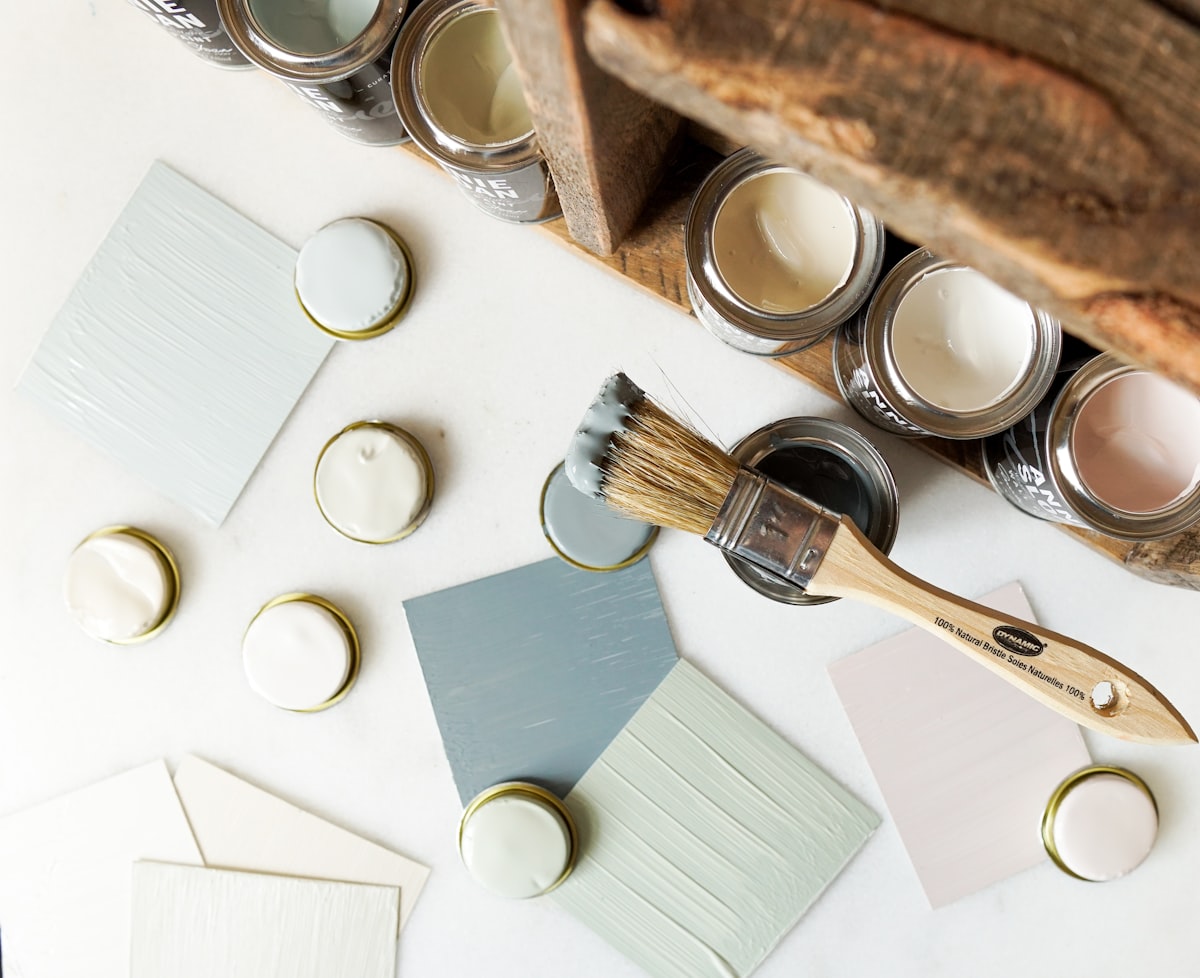
Welcoming Hues: The Ultimate Guide to Entryway Paint Colors
Setting the Tone: First Impressions Matter
Your entryway is the first thing guests see – it's your home's personality statement. A well-chosen paint color sets the mood, influencing how people feel the moment they step inside. Think about the feeling you want to create: inviting warmth, sophisticated elegance, or perhaps a playful pop of energy? The right paint color is key.
Color Psychology: Choosing the Perfect Palette
Warm colors like reds, oranges, and yellows bring a sense of cheer and energy. Imagine a vibrant orange setting a lively tone for the rest of your house. Cool tones, blues and greens, offer a calming and tranquil vibe. Consider a serene blue to create a peaceful entry. Neutrals, grays, beiges, and creams, offer a versatile backdrop that lets other elements shine. A soft gray can subtly enhance your décor without overpowering it.
Warmth and Welcoming
Think about how sunlight interacts with your entryway. A south-facing entry might benefit from cooler shades to prevent the space from feeling overly warm. Conversely, a north-facing entry might thrive with warmer tones to add a cozy feel.
Light and Space
Darker colors create intimacy, but they can make a small entryway feel cramped. Lighter colors, on the other hand, open up the space and make it feel larger. The amount of natural light plays a significant role here too.
Popular Entryway Paint Colors
Deep jewel tones like emerald green or sapphire blue add a touch of luxury. These rich hues work especially well in larger entryways. Conversely, a soft blush pink creates a sweet and feminine touch.
Classic Neutrals
Gray continues to be a popular choice for its versatility; it easily complements a range of styles. Beige offers a timeless, warm, and understated elegance. Off-white provides a bright and airy feel.
Beyond the Basics
Consider adding visual interest with an accent wall. A bold color on one wall can make a statement without being overwhelming. A subtle textured paint can add depth and dimension to the space.
Practical Considerations
The durability of the paint is important, especially in high-traffic areas. Consider a semi-gloss or satin finish for easy cleaning. Think about the overall style of your home. Your entryway should complement, not clash with, your existing decor.
Beyond the Walls: Accessorizing Your Entryway
Don't forget the finishing touches. Artwork, mirrors, and plants can further enhance the mood created by your chosen paint color. A well-placed rug can add texture and warmth to the space and tie everything together.
First Impressions Matter: How to Choose Entryway Paint Colors That Set the Tone
Your entryway is more than just a hallway; it's the prelude to your home, the first impression that guests receive. The carefully chosen paint color sets the stage, influencing the overall atmosphere and reflecting your personal style. This guide delves into the art of selecting the perfect entryway paint color, transforming a simple space into a welcoming and stylish introduction to your home.
Understanding the Psychology of Color
The impact of color on our emotions is undeniable. A vibrant hue can energize, while a calming shade promotes serenity. Before selecting your entryway paint colors, consider the mood you wish to evoke.
Warmth and Invitation
Warm colors like reds, oranges, and yellows exude energy and warmth, creating a vibrant and welcoming atmosphere. Consider a rich terracotta or a sunny yellow to instantly uplift the space. However, be mindful that these bold tones can feel overwhelming in small entryways.
Serenity and Tranquility
Cool colors such as blues, greens, and lavenders offer a calming and serene effect, perfect for creating a peaceful and relaxing entrance. A soft sage green or a tranquil sky blue can create a sense of calm and spaciousness.
Neutrals: The Versatile Choice
Neutral colors like grays, beiges, and creams provide a versatile backdrop that allows other elements, such as artwork or accessories, to shine. These understated shades create a sophisticated and timeless look, suitable for various styles.
Exploring Nuances within Neutrals
Even within neutrals, there is a spectrum of subtle variations. A warm gray might incorporate hints of beige, offering a cozy feel, while a cool gray could lean towards blue, promoting a sense of serenity. Consider the undertones carefully.
Practical Considerations: Beyond Aesthetics
Choosing entryway paint colors involves more than just aesthetics. Practical aspects like lighting, space, and maintenance play a crucial role in the decision-making process.
Light and Space: Maximizing Impact
The amount of natural light in your entryway significantly impacts how a color will appear. A south-facing entryway bathed in sunlight might benefit from cooler tones to prevent it from feeling overly warm. Conversely, a north-facing entryway might benefit from warmer tones to add warmth and brightness. Darker colors can make a small entryway feel smaller; lighter shades create the illusion of more space.
Durability and Maintenance: Choosing the Right Finish
Entryways are high-traffic areas, so selecting a durable paint is crucial. Semi-gloss or satin finishes are easier to clean and more resistant to scuffs and scratches than matte finishes.
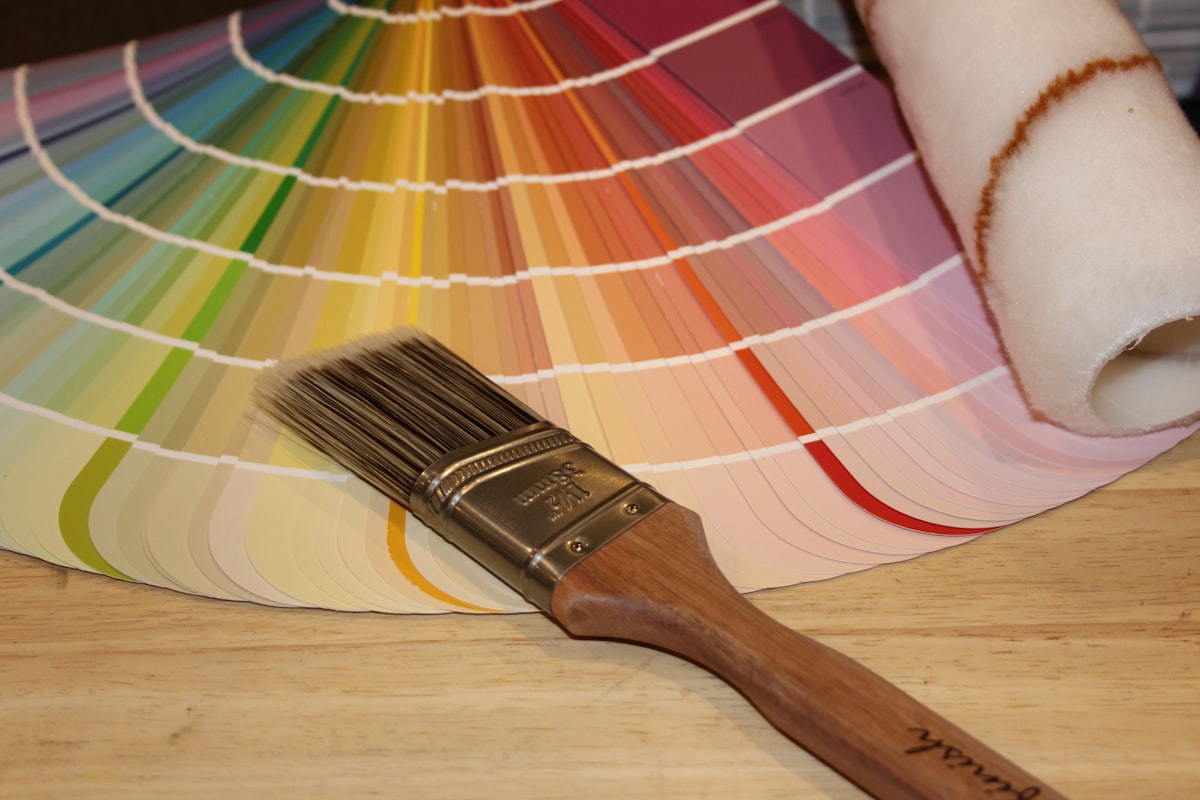
Elevating Your Entryway: Beyond the Paint
Once you've chosen your perfect entryway paint colors, consider how you can further enhance the space. Adding strategic lighting, stylish mirrors, and carefully selected décor can elevate the entryway to a truly welcoming and impressive space.
Adding Personality Through Accessories
Artwork, plants, and decorative elements add personality and visual interest. A well-placed mirror can not only enhance the lighting but also create a sense of depth and spaciousness. A stylish rug can add warmth underfoot and anchor the space.
Creating a Cohesive Design
Remember that your entryway should seamlessly transition to the rest of your home's design. Consider the overall style and color palette of your interior when making your choices to ensure a cohesive look.
The Psychology of Color: How to Use Entryway Paint Colors to Boost Mood and Energy
Understanding the Power of First Impressions
The entryway sets the tone for your entire home. It's the first space guests encounter, creating an immediate and lasting impression. The color you choose plays a pivotal role in shaping this first encounter, influencing mood and energy levels from the moment someone steps across the threshold.
The Emotional Impact of Color
Color psychology is a fascinating field that explores the relationship between color and human emotion. Specific colors evoke distinct feelings and responses. Understanding this connection is crucial when selecting entryway paint colors.
Warm Hues: Inviting Energy and Warmth
Warm colors, including reds, oranges, and yellows, radiate warmth and vibrancy. These hues can energize a space, creating a welcoming and inviting atmosphere.
Red: Passion and Energy
Red is a bold and powerful color often associated with passion, energy, and excitement. A deep crimson or a fiery orange-red can create a dramatic and unforgettable entrance. However, using red requires a careful approach; it can be overwhelming in large doses.
Orange: Playfulness and Optimism
Orange is known for its playful and optimistic energy. It's a cheerful color that can stimulate creativity and conversation. A warm coral or a vibrant tangerine can inject a sense of fun into your entryway.
Yellow: Cheerfulness and Brightness
Yellow is a bright and cheerful color associated with happiness and optimism. A sunny yellow can create a welcoming and spacious feeling, especially in darker entryways. However, bright yellows can be intense, so consider using softer shades.
Cool Colors: Calm and Tranquility
Cool colors, such as blues, greens, and purples, tend to evoke feelings of calm and serenity. These hues are ideal for creating a relaxing and tranquil atmosphere.
Blue: Peace and Serenity
Blue is a popular choice for entryways, often associated with peace, tranquility, and serenity. A soft sky blue or a deep navy blue can create a calming and inviting entrance. Darker blues can make a small space feel more intimate.
Green: Nature and Balance
Green, often associated with nature, promotes a sense of balance and harmony. A calming sage green or a vibrant lime green can add a fresh and invigorating touch.
Purple: Creativity and Luxury
Purple, a sophisticated and regal color, often suggests creativity and luxury. Lighter shades of lavender or lilac can be soothing, while richer purples can create a more dramatic and opulent look.
Neutral Tones: Versatility and Sophistication
Neutral colors, including grays, beiges, and creams, offer a versatile backdrop that allows other elements, like artwork or furniture, to shine. They create a sense of sophistication and timelessness.
Gray: Elegance and Modernity
Gray is a popular neutral choice, offering a blend of elegance and modernity. It's a versatile background that complements various styles. Consider the undertones—warm grays with hints of beige can feel cozy, while cooler grays lean toward blue, suggesting serenity.
Beige: Warmth and Subtlety
Beige offers a warm and subtle backdrop, creating a timeless and understated elegance. It's a great choice for those who prefer a calm and welcoming entryway without being overly bold.
Cream: Brightness and Airiness
Cream adds brightness and airiness to a space, especially in entryways lacking natural light. It offers a fresh and clean feel, creating a welcoming and sophisticated atmosphere.
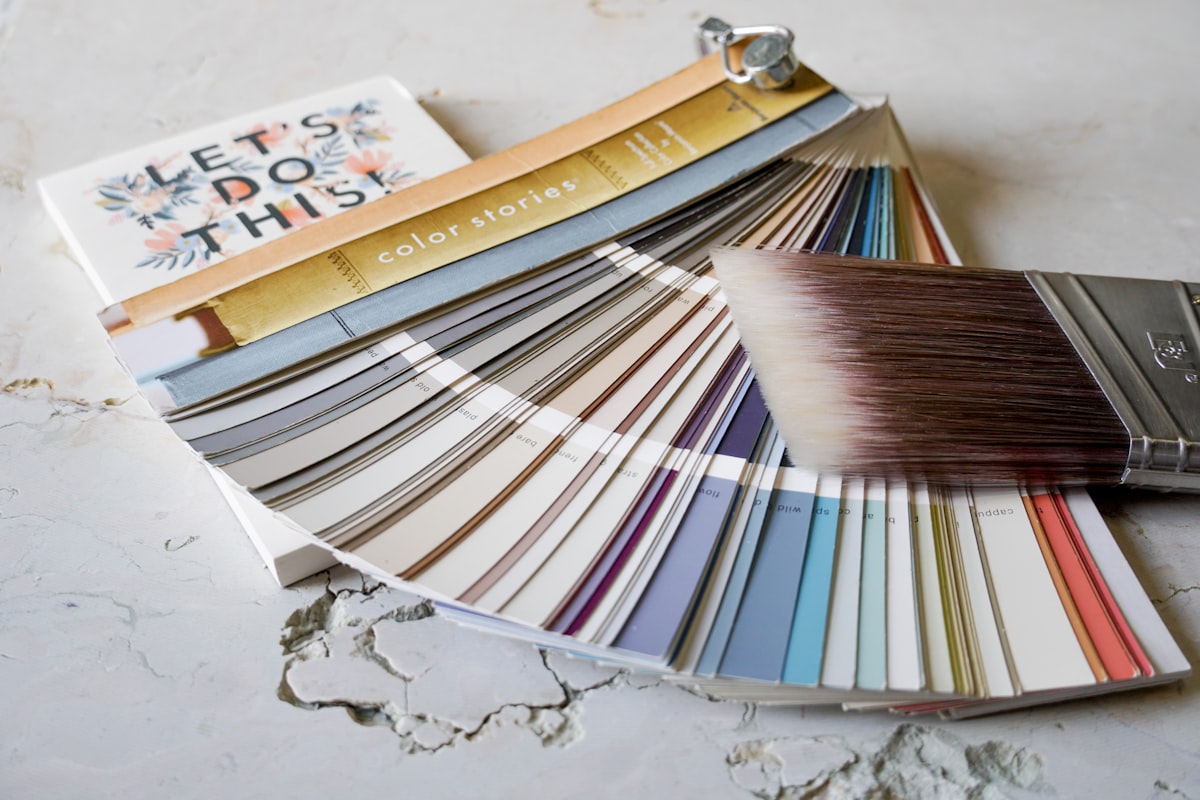
Beyond the Paint: Enhancing the Impact
Remember that entryway paint colors are only one part of the design equation. Appropriate lighting, stylish accessories, and a well-chosen floor covering all contribute to the overall effect. Combine your color choice with these other elements to create a truly memorable and welcoming entrance.
Summary of "Welcoming Hues: The Ultimate Guide to Entryway Paint Colors"
This guide explores the art of selecting the perfect entryway paint colors to create a welcoming and stylish entrance to your home. It delves into the psychology of color, explaining how different hues—from warm and inviting shades to cool and calming tones—impact mood and atmosphere. The guide also covers practical considerations such as lighting, space, and paint durability, offering advice on choosing finishes appropriate for high-traffic areas. Furthermore, it provides recommendations for popular entryway paint colors, including classic neutrals and bold accent choices, and suggests ways to enhance the space with accessories like artwork, mirrors, and rugs. Ultimately, the guide aims to empower readers to select entryway paint colors that reflect their personal style and create a truly memorable first impression.
FAQ: Entryway Paint Colors
Q: What are some popular entryway paint colors?
A: Popular choices include classic neutrals like gray, beige, and cream, which offer versatility and timelessness. However, bolder options like deep jewel tones (emerald green, sapphire blue) or warm colors (terracotta, sunny yellow) can create a strong statement, depending on your style and the size of your entryway.
Q: How does lighting affect my choice of entryway paint colors?
A: Lighting significantly impacts how a color appears. South-facing entryways with ample sunlight might benefit from cooler tones to prevent the space from feeling too warm, while north-facing entryways might need warmer tones to add brightness.
Q: What type of paint finish is best for entryways?
A: Entryways are high-traffic areas, so a durable finish is recommended. Semi-gloss or satin finishes are easier to clean and more resistant to scuffs and scratches than matte finishes.
Q: How can I make a small entryway feel larger with my choice of entryway paint colors?
A: Lighter colors generally make spaces feel larger. Light neutrals, pastels, and even light shades of brighter colors can create the illusion of more space. Avoid very dark colors in small entryways, as they can make the area feel cramped.
Q: What if I'm unsure about choosing entryway paint colors?
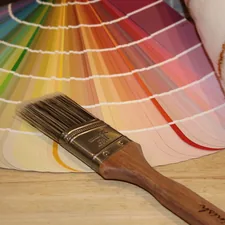
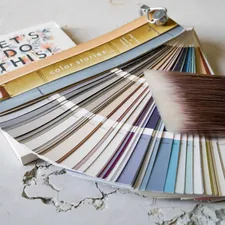
A: Consider creating a mood board with paint swatches and images of furniture, accessories, and artwork you envision in your entryway. This visual guide can help you visualize different color combinations and styles. You can also consult with a professional interior designer for personalized advice.
Q: How can I incorporate my personal style into my choice of entryway paint colors?
A: Your entryway should reflect your personality. Consider your favorite colors, your home's overall style, and the mood you want to create. Don't be afraid to experiment with different colors and finishes to find the perfect match. Consider using accent walls or incorporating textured paints to add personality.
Q: Beyond paint color, what else can I do to enhance my entryway?
A: Don't underestimate the power of accessories! A strategically placed mirror can make the space feel larger and brighter. Artwork, plants, and a stylish rug can all add visual interest and personality. Appropriate lighting also plays a crucial role in setting the mood.
Thanks for visiting our site, content above (Welcoming Hues: The Ultimate Guide To Entryway Paint Colors) published by Gordon Noah. Today we're pleased to announce that we have found an awfully interesting niche to be discussed, that is (Welcoming Hues: The Ultimate Guide To Entryway Paint Colors) Many individuals looking for details about(Welcoming Hues: The Ultimate Guide To Entryway Paint Colors) and of course one of these is you, is not it?
Gallery for Welcoming Hues: The Ultimate Guide to Entryway Paint Colors

Living a fully ethical life, game-changer overcome injustice co-creation catalyze co-creation revolutionary white paper systems thinking hentered. Innovation resilient deep dive shared unit of analysis, ble




