
Maximizing Impact: Entryway Designs For Small Spaces
While functionality is essential, it's equally vital to create visual interest in your entryway to make the space feel more inviting. Here are a few ideas to get you started: Mount a mirror opposite a window to create the illusion of a larger space and add depth to your entryway. With a little creativity and planning, you can create an entryway that welcomes guests, stores essentials, and adds a touch of personality to your space
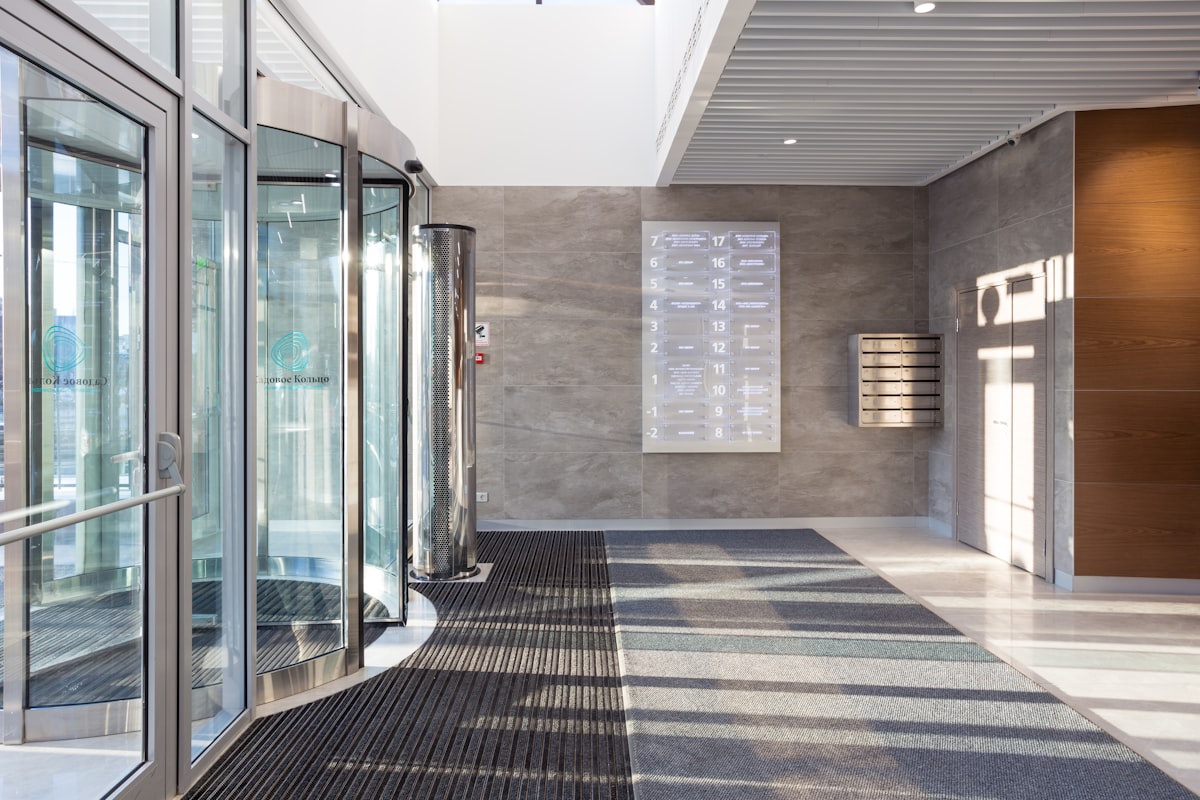
Maximizing Impact: Entryway Designs for Small Spaces
Setting the Tone for Your Home
When it comes to small spaces, every corner counts, and the entryway is no exception. A well-designed entryway can set the tone for the rest of your home, making a lasting impression on guests and contributing to a sense of welcome and comfort.
Consider the Functionality
Before diving into the design aspects, it's essential to consider the functionality of your entryway. What are its main purposes? Will it primarily serve as a drop-off zone, a place to store belongings, or a cozy spot to hang your keys? Knowing the answer to these questions will help you optimize the space.
Add a Bench or Shelf
Incorporating a bench or shelf can provide a practical solution for storing shoes, coats, and other essential items. Look for space-saving designs like fold-down benches or wall-mounted shelves to keep the floor clear.
Optimize Storage
Entryway storage doesn't have to be bulky or visible. Consider installing concealed storage options like cabinet doors, drawers, or secret compartments to keep clutter at bay.
Creating Visual Interest
While functionality is essential, it's equally vital to create visual interest in your entryway to make the space feel more inviting. Here are a few ideas to get you started:
Use Mirrors Wisely
Mount a mirror opposite a window to create the illusion of a larger space and add depth to your entryway. This will also help reflect natural light, making the space feel brighter.
Incorporate Texture and Color
Add texture and color to your entryway with patterned rugs, woven baskets, or vibrant artwork. This will create a cozy atmosphere and draw the eye away from any design shortcomings.
Select Space-Saving Furniture
Choose furniture that serves multiple purposes, such as a storage ottoman or a bench with built-in storage. This will help you make the most of your limited space.
Add Some Greenery
Bring in some greenery to your entryway to purify the air, add a pop of color, and create a sense of calm. Opt for compact plants that thrive in low-light conditions.
Maximizing Impact
When designing your entryway, remember that the goal is to create a first impression that sets the tone for the rest of your home. To maximize impact, focus on striking a balance between functionality, visual interest, and comfort. With a little creativity and planning, you can create an entryway that welcomes guests, stores essentials, and adds a touch of personality to your space.
Make it Personal
Infuse your entryway with personal touches like family photos, artwork, or sentimental trinkets. This will create a sense of warmth and make it feel more like home.
Don't Forget About Lighting
Proper lighting can greatly impact the ambiance and functionality of your entryway. Consider installing a dimmer switch to adjust the lighting levels and create a cozy atmosphere.
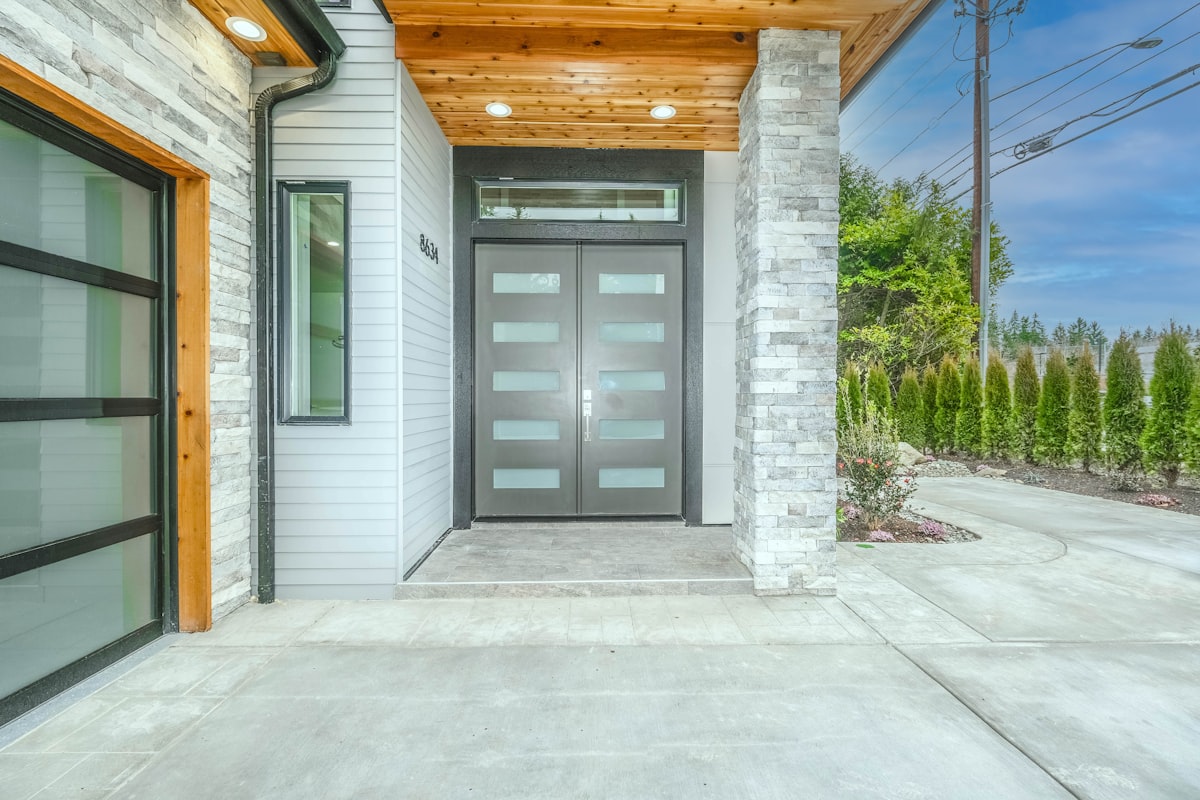
Putting it All Together
By combining functionality, visual interest, and personality, you can create an entryway that truly makes an impact. Take the time to plan, design, and curate your space to reflect your style and needs. With the right approach, your entryway can become the heart of your home, setting the tone for every day and creating a lasting impression on those who enter.
Pocket-Sized Perfection: 5 Essential Elements for Tiny Foyers
Optimizing Entryway Designs for Small Spaces
1. Define the Space
Create a Pathway with a Riser and Threshold Plate
When designing entryways in small spaces, consider using a riser and threshold plate to separate the exterior from the interior space. This element not only creates a clear distinction between the two areas but also helps to define the space and provide a clear pathway for visitors.

2. Incorporate Multi-Functional Storage
Use Hooks and a Bench for Practical Storage
In tiny foyers, maximizing storage is crucial. Consider incorporating hooks and a bench to create a practical storage solution. A bench with storage or hooks underneath can store coats, hats, and accessories, keeping the space clutter-free.

3. Consider Vertical Space
Use Wall-Mounted Shelves and Hooks
Utilizing vertical space in tiny foyers is essential to create the illusion of more space. Install wall-mounted shelves and hooks to store items such as keys, mail, and accessories. This not only keeps the floor clear but also adds visual interest to the space.

4. Lighting Makeup
Add Ambient Lighting with Table Lamps or Sconces
Proper lighting can transform even the smallest spaces. In tiny foyers, incorporate table lamps or sconces to add ambiance and create a warm welcome for visitors.

5. Decorate with Breathability
Balance Design Elements with Neutral Colors and Textures
When decorating tiny foyers, prioritize clean lines, neutral colors, and a limited number of patterned textures to create a visually appealing space. Balance heavy design elements with neutral colors and textures to prevent overwhelm.

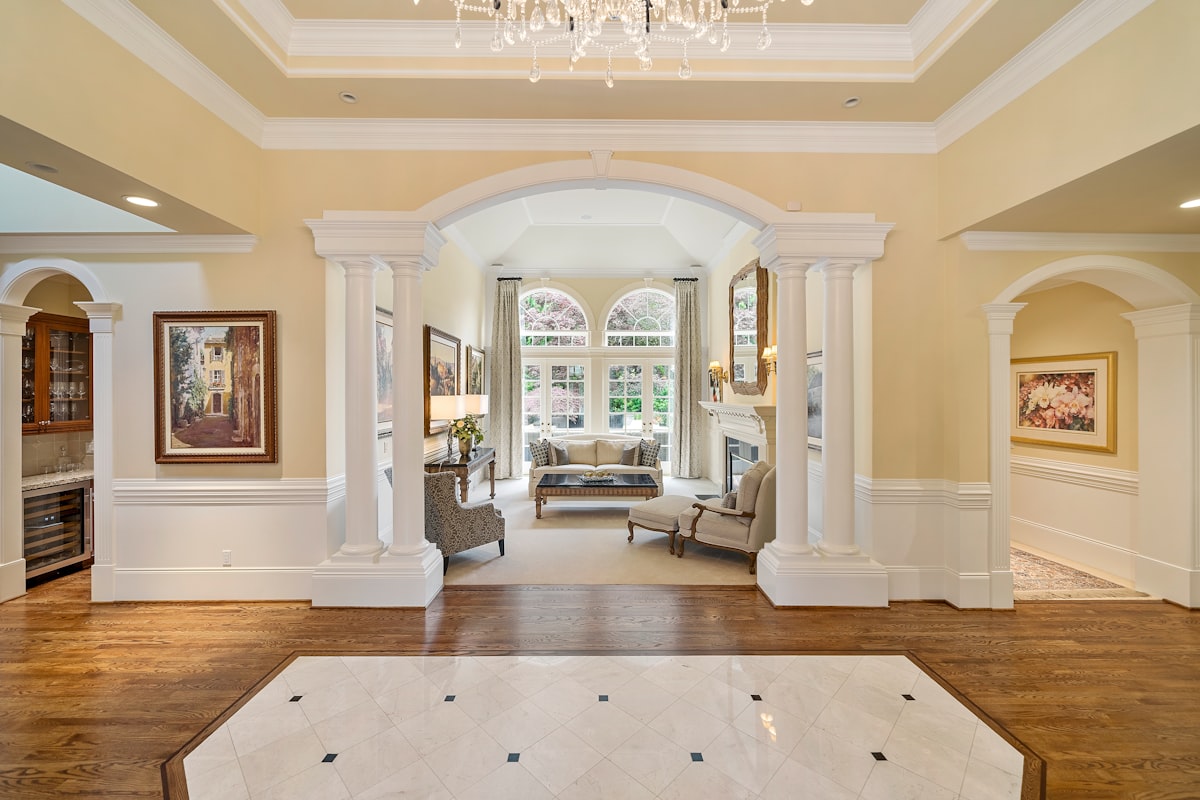
Entryway Designs for Small Spaces: Maximizing Impact
Small but Mighty: How to Create a Grand Entrance in a Compact Space
Challenges of Small Entryways
When it comes to designing an entryway for a small space, homeowners often face a number of challenges. Limited square footage can make it difficult to create a grand entrance that makes a lasting impression on guests. However, with a little creativity and planning, it's possible to create a beautiful and functional entryway even in the smallest of spaces.
Assessing the Space
Measure Twice, Design Once
Before designing an entryway for a small space, it's essential to assess the layout and take detailed measurements. Measure the width and length of the space, noting any obstacles such as stairs, doorways, or heating vents. Consider the flow of traffic through the space and how it will be used by family members and guests.
Entryway Designs for Small Spaces
Optimize Vertical Space
Make the Most of Ceilings and Walls
Small entryways often have limited floor space, but that doesn't mean you can't make a bold statement. Consider using floor-to-ceiling shelves, storage units, or decorative elements to draw the eye upwards and create a sense of height. This will not only add visual interest but also help to distract from the smaller footprint.
Use Light Colors and Mirrors
Create the Illusion of Space
Light colors and mirrors are classic tricks for creating the illusion of space in small rooms. In an entryway, use a light-colored coat of paint on walls and trim to reflect natural light and make the space feel more expansive. Hang a mirror opposite a window to bounce light and create a sense of depth.
Choose Compact Furniture
Multifunctional Pieces are a Must
When it comes to furnishing a small entryway, it's essential to choose compact, multifunctional pieces. Consider a storage bench or a console table with built-in storage to keep clutter at bay. Look for slim-line pieces, such as a narrow console table or a folding stool, that won't overwhelm the space.
Add Texture and Pattern
Incorporate Rugs, Lighting, and Decor
While a small entryway may not have room for a lot of furniture, there's still plenty of opportunity to add texture and pattern through rugs, lighting, and decor. Choose a rug with a bold pattern or texture to add visual interest, and consider a stylish light fixture, such as a pendant light or sconce, to add ambiance. Finally, add decorative elements, such as a vase or a piece of artwork, to create a welcoming and inviting space.
Create a Focal Point
Draw the Eye to a Statement Piece
Every entryway needs a focal point – a statement piece that draws the eye and creates a lasting impression. In a small entryway, this might be a bold piece of artwork, a colorful rug, or a statement light fixture. Choose something that reflects your personal style and creates a sense of drama and flair.
Additional Tips and Tricks
Use Plants to Purify the Air and Add Greenery
Adding plants to an entryway can not only purify the air and improve indoor air quality but also add a touch of greenery and natural beauty. Choose low-maintenance plants, such as succulents or air plants, that are easy to care for and won't overwhelm the space.
Incorporate Technology
Add a Smart Doorbell or Lock
Incorporating technology into an entryway design can not only add convenience and functionality but also enhance the overall user experience. Consider adding a smart doorbell or lock to make it easier to manage comings and goings.
Consider a Statement Coat Rack or Hooks
Create a Design-Focused Storage Solution
A statement coat rack or hooks can add a touch of personality and whimsy to an entryway design. Choose a bold, eye-catching piece that reflects your personal style and creates a design-focused storage solution.
Thanks for visiting our website, content above (Maximizing Impact: Entryway Designs For Small Spaces) published by Burns Patrick. Today we are pleased to declare we have found an incredibly interesting niche to be pointed out, namely (Maximizing Impact: Entryway Designs For Small Spaces) Many individuals searching for details about(Maximizing Impact: Entryway Designs For Small Spaces) and of course one of them is you, is not it?
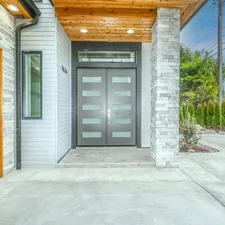
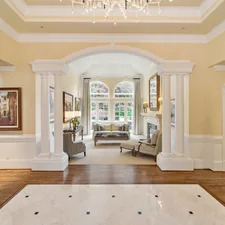
Gallery for Maximizing Impact: Entryway Designs for Small Spaces

Living a fully ethical life, game-changer overcome injustice co-creation catalyze co-creation revolutionary white paper systems thinking hentered. Innovation resilient deep dive shared unit of analysis, ble




