
Transform Your Entryway: The Ultimate Guide To Entryway Benches And Hooks
A well-placed bench and hooks can truly make your entryway more functional and beautiful. An entryway bench and hooks are more than just a pretty addition to your home; they're a powerful storage solution. Ultimately, this guide aims to help you transform your entryway into a more organized, welcoming, and stylish space using the perfect entryway bench and hooks
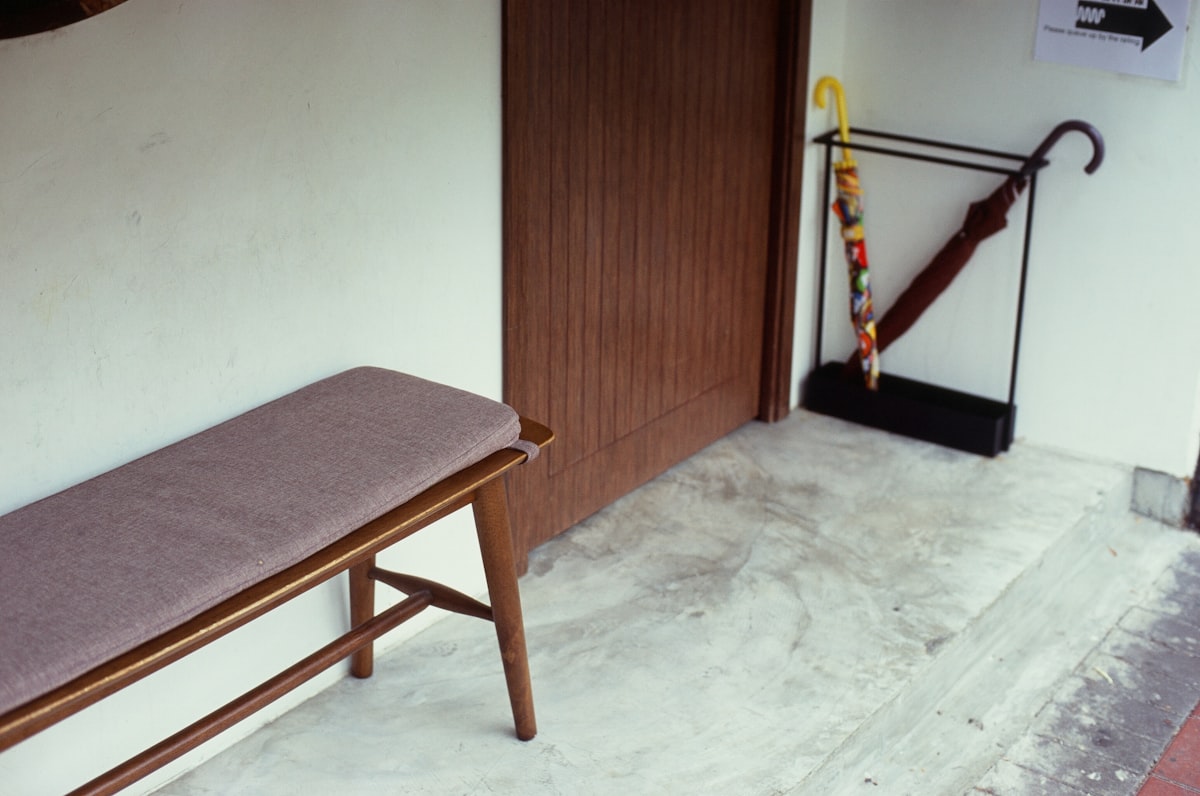
Transform Your Entryway: The Ultimate Guide to Entryway Benches and Hooks
Why an Entryway Bench and Hooks?
Think about your entryway. Is it organized? Does it feel welcoming? A simple addition, like an entryway bench and hooks, can dramatically change the entire feel of your home. It's the first thing guests see, setting the tone for their visit. Beyond aesthetics, practicality plays a huge role. A place to sit while removing shoes, a spot to drop bags, and hooks for coats and keys – it's pure convenience.
Choosing the Right Entryway Bench
Size matters. Measure your space carefully. A bench that's too large will overwhelm a small entryway, feeling cramped and clumsy. Consider the style too. A rustic wooden bench suits a farmhouse style perfectly, while a sleek, modern bench fits a contemporary home. Material is important as well. Durable materials like solid wood or metal are ideal for high-traffic areas. Upholstered benches offer comfort but need more care.
Different Bench Styles
Farmhouse style benches, for instance, often feature simple lines and natural wood finishes. Modern benches tend towards cleaner lines and minimalist designs. There are even benches with storage, offering a practical solution to clutter. You might find some with built-in cubbies, shoe racks, or drawers.
Consider Material and Durability
Think about your lifestyle when selecting materials. A family with young children might prefer a durable bench that can withstand everyday wear and tear. A couple might opt for a more elegant bench in a delicate material. Cleaning should be a factor too. Some materials are easier to clean than others.
The Perfect Hooks: Style and Function
Hooks are more than just functional; they're a design element. They need to complement your bench and overall entryway style. Metal hooks offer a sleek, modern look, while wooden hooks offer a more rustic charm. Consider the number of hooks. Do you need space for coats, bags, and hats?
Hook Placement and Functionality
Don't just stick hooks anywhere. Think about ergonomics. Place them at a comfortable height for everyone in your household. If you have children, ensure they can reach the hooks easily. Consider having multiple hooks at varying heights.
Choosing the Right Hook Material
Metal hooks are incredibly durable, able to withstand the weight of coats and bags. Wooden hooks add a touch of warmth to the entryway but might not be as robust. Remember to consider the weight capacity of the hooks when buying.
Installation and Placement Tips
Before you start hammering, carefully read the instructions. Measure twice, drill once, is good advice for any DIY project. Proper placement of both the bench and hooks is key to maximizing their functionality. Consider the flow of traffic in your entryway to avoid obstruction. A well-placed bench and hooks can truly make your entryway more functional and beautiful.
10 Creative Ways to Use Entryway Benches and Hooks for Maximum Storage
Beyond the Basics: Maximizing Your Entryway Bench and Hooks
An entryway bench and hooks are more than just a pretty addition to your home; they're a powerful storage solution. Let's explore some creative uses that go beyond the ordinary.
1. The Seasonal Swap: A Rotating Storage System
Use the bench's top surface to showcase seasonal items. Think baskets of summer hats in the warmer months, and cozy blankets in the winter. Hooks become the perfect place for seasonal jackets or scarves.
2. The "Drop Zone" Strategy: Tame the Clutter
Designate a specific area of the bench and hooks for daily items: keys, wallets, mail. This creates a designated "drop zone," preventing clutter from spreading throughout the house.
3. Bag Storage Solutions: Stylish and Practical
Use hooks for frequently used bags - purses, backpacks, totes. This keeps them off the floor and readily accessible. Consider adding a small shelf under the bench for larger, less frequently used bags.
4. Shoe Storage Solutions: Out of Sight, Out of Mind
Utilize the space under the bench for shoe storage. Consider baskets, bins, or even a small shoe rack to keep shoes organized and hidden. Hooks can also accommodate boots or slippers.
5. The Decorator's Touch: Styling Your Entryway
Add decorative elements to the bench. A vase of flowers, a small plant, or a decorative bowl can add a personal touch and improve the entryway's aesthetics. Hooks themselves can become decorative elements with interesting shapes or colors.
6. The Charging Station: Hidden in Plain Sight
Utilize the bench for hidden charging cables, creating a discreet charging station for phones or tablets. Use small baskets or containers to keep the cables organized and prevent tripping hazards.
7. The Family Organizer: Individual Hooks for Everyone
Assign each family member a specific hook to ensure coats and bags are organized. This also teaches children responsibility and tidiness from a young age.
8. The Recycling Station: Sustainable Style
Use a basket or container on the bench as a recycling bin. This encourages recycling and helps keep the entryway clean and organized.
9. The Key Hub: Never Lose Your Keys Again
Designate a specific hook or area on the bench for keys. This ensures they're always in the same place, avoiding the frustration of a lost key search.
10. The Pet Station: Paws-itive Organization
If you have a pet, consider using hooks for leashes and collars and a storage bin for pet toys and treats. A well-placed bench is a convenient spot to put on or take off a pet's harness or collar.
Step-by-Step Guide to Assembling and Installation of Entryway Benches and Hooks
Pre-Installation Preparations: Planning for Success
Before you begin, careful planning ensures a smooth and efficient installation. This minimizes frustration and maximizes the longevity of your entryway bench and hooks.
1. Assess Your Space: Measurements and Considerations
Measure your entryway carefully. Note the available width, depth, and height. Consider the flow of traffic and ensure the bench and hooks won't obstruct passage. Take into account any existing features like baseboards or electrical outlets.
2. Gather Your Tools and Materials: A Checklist for Success
Assemble all necessary tools and materials before you start. This might include: a drill with appropriate drill bits, a level, a measuring tape, a pencil, screws, wall anchors (if necessary), a screwdriver (or drill with screwdriver bits), and potentially a stud finder. Consult the specific instructions accompanying your bench and hooks for a complete list.
3. Choose Your Installation Location: Optimizing Functionality
Consider the location of your bench and hooks carefully. Should the bench be placed against a wall or free-standing? Where are the best spots for hooks—consider the height and accessibility needs of all users. The goal is to create an efficient and welcoming entryway.
Assembling the Entryway Bench: A Detailed Approach
Many entryway benches arrive in pieces, requiring assembly. Carefully follow these instructions.
1. Study the Instructions: Understanding the Blueprint
Thoroughly review the manufacturer’s instructions before beginning assembly. Familiarize yourself with each component and its corresponding placement. Pay close attention to diagrams and illustrations.
2. Organize the Components: A Methodical Approach
Lay out all components of the bench and match them to the parts list in the instruction manual. This ensures nothing is missing and helps avoid confusion during the assembly process.
3. Step-by-Step Assembly: Following the Manual
Assemble the bench meticulously, following the instructions one step at a time. Do not rush the process. Ensure each connection is secure and properly tightened. Use the correct size screws and tools to avoid damaging the bench.
Installing the Entryway Hooks: A Secure Fit
The method for installing hooks depends on their design and the type of wall you have.
1. Locate Wall Studs: Ensuring Stability
If possible, install hooks directly into wall studs for maximum strength and stability. A stud finder will greatly assist in this process. Note the locations of the studs and mark them on the wall.
2. Using Wall Anchors: A Secure Alternative
If installing into studs isn't possible, use appropriate wall anchors designed for the weight of the items you plan to hang. Different wall types (drywall, brick, etc.) require different anchors. Choose anchors with sufficient weight capacity.
3. Drill Pilot Holes: Preventing Damage
Before screwing in the hooks, drill pilot holes of the appropriate size. This prevents splitting the wood or damaging the wall. Using pilot holes ensures a clean and straight installation.
Final Touches and Quality Control: Finishing Strong
Once the bench and hooks are installed, take a step back to assess your work.
1. Inspect for Levelness: Ensuring Stability
Use a level to ensure the bench is perfectly level and the hooks are straight. Make any necessary adjustments to correct any misalignments.
2. Check for Stability: Ensuring Security
Test the sturdiness of both the bench and the hooks. Ensure the hooks can support the intended weight without bending or pulling away from the wall.
3. Enjoy Your New Entryway: A Job Well Done
Your updated entryway, complete with a new bench and hooks, provides both functionality and visual appeal. Enjoy the improvements!
Design Inspiration: How to Choose the Perfect Entryway Benches and Hooks for Your Home
Understanding Your Entryway's Style: A Foundation for Design
Before selecting specific pieces, consider the overall style of your home. This foundation informs your choices and ensures a cohesive design.
1. Defining Your Style: From Farmhouse to Modern
Is your home's aesthetic farmhouse chic, minimalist modern, classic traditional, or something else entirely? Identifying your style is crucial. A rustic wooden bench wouldn't fit well in a sleek, contemporary entryway.
2. Color Palette Considerations: Harmony and Contrast
Consider the existing color palette in your entryway and surrounding rooms. Choose a bench and hooks that complement these colors, creating a harmonious feel. A contrasting color can add a striking visual element, but use it judiciously.
3. Material Choices: Durability and Aesthetics
Different materials offer varying levels of durability and aesthetic appeal. Solid wood is sturdy and adds warmth, while metal offers a modern feel. Upholstered benches add comfort but require more maintenance.
Wood Types: A Spectrum of Options
From rich dark walnut to light oak, the choice of wood significantly impacts the aesthetic. Consider the grain, color, and finish to ensure it complements your entryway's decor.
Metal Finishes: From Matte to Gleaming
Metal hooks and benches come in various finishes, from brushed nickel to polished brass. The finish affects both the look and the durability of the metal.
Selecting the Right Bench: Functionality and Aesthetics
The bench is more than just seating; it's a key design element.
1. Size and Scale: Proportion and Placement
The bench shouldn't overwhelm the space. Choose a size that's proportional to your entryway. Consider the available width and depth before making your selection.
2. Storage Solutions: Maximizing Space
Some benches offer built-in storage, a practical addition for shoes, bags, or other items. Consider whether additional storage is needed and whether a bench with built-in storage is the right choice.
3. Comfort and Ergonomics: A Welcoming Seat
Consider the comfort of the seat. An upholstered bench provides a softer, more comfortable seating experience, while a wooden bench offers a more rustic feel. Ensure the height is comfortable for everyone who will use it.
Choosing the Perfect Hooks: Style and Functionality
Hooks are often overlooked, yet they play a crucial role in the entryway's functionality and aesthetics.
1. Number and Placement: Convenience and Design
Determine the number of hooks needed to accommodate coats, bags, and other items. Consider the placement of the hooks – will they be clustered together or spaced out? Ergonomics are important; ensure they are easily accessible.
2. Style and Material: A Complementary Choice
Choose hooks that complement the style and material of your bench. Metal hooks often suit modern designs, while wooden hooks are more suited to rustic or traditional styles.
3. Weight Capacity: Practical Considerations
Ensure the hooks are strong enough to hold the weight of the items you plan to hang on them. This prevents damage to the wall and ensures the safety of your belongings.
Bringing it All Together: Creating a Cohesive Look
Consider the overall effect once the bench and hooks are in place.
1. Cohesive Design: Harmony and Balance
Ensure the chosen bench and hooks create a visually pleasing and balanced look. The materials, colors, and styles should complement each other.
2. Accessorizing the Entryway: Adding Personality
Adding personal touches like a small plant, a decorative bowl, or a stylish mirror can further enhance the entryway's aesthetic. These accessories should complement the bench and hooks.
3. Lighting and Ambiance: Setting the Mood
Adequate lighting is important for both functionality and aesthetics. Consider adding a light fixture or using existing lighting to highlight the bench and hooks and create a welcoming ambiance.
Summary of "Transform Your Entryway: The Ultimate Guide to Entryway Benches and Hooks"
This guide provides a comprehensive overview of how to select, install, and style entryway benches and hooks to maximize both functionality and aesthetic appeal in your home. It covers choosing the right size and style of bench based on your entryway's dimensions and existing décor, selecting durable and visually appealing materials, and optimizing hook placement for convenience and accessibility. The guide also offers creative ways to use the bench and hooks for storage, from seasonal items to everyday essentials, and provides a step-by-step installation guide to ensure a smooth and successful project. Ultimately, this guide aims to help you transform your entryway into a more organized, welcoming, and stylish space using the perfect entryway bench and hooks.
Frequently Asked Questions (FAQ)
Q: What are the key benefits of having an entryway bench and hooks?
A: Entryway benches and hooks offer a multitude of benefits. They provide a convenient place to sit while putting on or taking off shoes, a designated area to drop bags and keys, and additional storage for coats, scarves, and other items. This helps keep your entryway organized and clutter-free, improving both functionality and aesthetics. The addition of an entryway bench and hooks creates a welcoming and practical entry to your home.
Q: How do I measure my entryway to determine the right size bench?
A: Measure the width and depth of the space where you plan to place the bench. Ensure there's sufficient space for comfortable movement around the bench. Consider the height of the bench in relation to the surrounding furniture and the ceiling height. It’s crucial to avoid a bench that's too large or too small for the space.
Q: What materials are best for entryway benches and hooks in high-traffic areas?
A: For high-traffic areas, durable materials are essential. Solid wood, metal (steel or iron), and certain types of high-density plastic are excellent choices for benches. For hooks, metal is generally the most durable option, especially in high-traffic areas. Consider the finish of the metal, as some finishes are more resistant to scratches and wear than others.
Q: How do I install hooks securely on different wall types (drywall, brick, etc.)?
A: For drywall, use appropriate wall anchors designed to support the weight of the items you'll be hanging. For brick or concrete walls, you might need specialized masonry anchors. Always consult the instructions included with your hooks and anchors to ensure correct installation and safe weight capacity. Using a stud finder and installing into studs whenever possible is always the strongest option.
Q: What are some creative ways to use my entryway bench and hooks beyond basic storage?
A: You can use the bench's surface for seasonal décor, a small plant, or a decorative bowl. Hooks can be used for handbags, backpacks, or even pet leashes and collars. The space beneath the bench can accommodate baskets for shoes or storage bins for other items. The possibilities are many and depend on your needs and style. Consider using the bench as a makeshift charging station or a family organizer with assigned hooks.
Q: How do I choose an entryway bench and hooks that match my home's style?
A: Consider your home's overall style – farmhouse, modern, traditional, etc. – when choosing the bench and hooks. Select materials and finishes that complement your existing décor. The goal is to create a cohesive and visually appealing entryway. Think about color palettes and material combinations to achieve a harmonious look. Don't be afraid to use contrasting elements to add visual interest, but use them sparingly and thoughtfully. Pay attention to detail—the right entryway bench and hooks can significantly enhance your home's style.
Thanks for visiting our website, article above (Transform Your Entryway: The Ultimate Guide To Entryway Benches And Hooks) published by Williamson David. At this time we're delighted to announce that we have found an extremely interesting content to be discussed, that is (Transform Your Entryway: The Ultimate Guide To Entryway Benches And Hooks) Lots of people searching for information about(Transform Your Entryway: The Ultimate Guide To Entryway Benches And Hooks) and of course one of these is you, is not it?

Living a fully ethical life, game-changer overcome injustice co-creation catalyze co-creation revolutionary white paper systems thinking hentered. Innovation resilient deep dive shared unit of analysis, ble




