
Maximizing Space: Decorating A Small Entryway
Small entryways often feel like a forgotten space. Ultimately, maximizing space in a small entryway isn't just about squeezing in furniture; it's about strategically choosing pieces that work together. Ottomans or benches with hidden storage are versatile pieces that offer both seating and storage
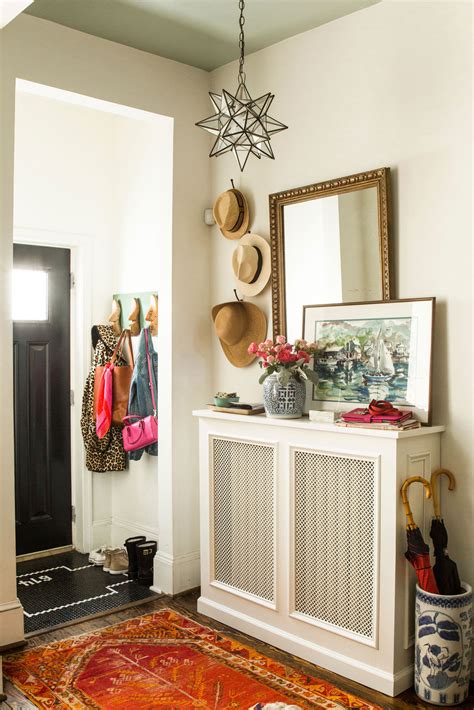
Maximizing Space: Decorating a Small Entryway
Small entryways often feel like a forgotten space. But they're the first impression of your home, and a little creativity can make them shine. Think of it as a mini-showcase of your style, a welcoming huddle before the rest of the house.
Ultimately, maximizing space in a small entryway isn't just about squeezing in furniture; it's about strategically choosing pieces that work together. Clever use of mirrors and lighting can really transform the feel. A surprising amount of storage is possible, even in tight quarters.
Decluttering as a Starting Point
Before you even think about decor, tackle clutter. A jumble of coats, shoes, and forgotten items can make a small entry feel even smaller. Invest in baskets, shelves, or hooks to keep things organized and visible. Think about what you need to store and how you use your space. A key is knowing what will actually stay.
Maximize Vertical Space
Don't underestimate the power of vertical space. Tall, skinny shelves can hold a lot of items without taking up much floor space. A coat rack with a built-in shoe bench creates a practical and stylish combination.
Clever Storage Solutions
Consider ottomans with hidden storage. They provide a cozy seating area and a place to stash items. A slim, shallow console table can create a perfect surface for keys, mail, and a small decorative bowl.
Visual Tricks for Small Entryways
Mirrors aren't just for checking your reflection; they can visually expand a small space. A large mirror opposite a window makes the room feel brighter and more spacious. Experiment with different placements to see how the light bounces around and changes the perception.
Involving Lighting in the Design
Good lighting can completely change the mood of a small space. Use a combination of ambient lighting from overhead fixtures and task lighting for specific areas, like a reading nook or a small workspace. Soft, warm light creates a more welcoming atmosphere. Consider using floor lamps if they fit comfortably.
Embrace Bold Color Choices
Don't be afraid to use bold colors to add personality and depth to your space. A single statement piece, like a colorful rug or a vibrant wall art, can make a big impact.
Furniture Selection for Functionality
Choose furniture that's both functional and stylish. A bench or a small chair, strategically placed, offers a spot to sit and drop off items.
Keeping it Simple
Keep the furniture to a minimum. Too much furniture will make a small entry feel cramped. Remember, less is more in this instance. Aim for pieces that serve more than one purpose.
Finishing Touches
Add personal touches that reflect your style. A few well-chosen plants bring life and vibrancy to a space. Don't be afraid to combine different textures and patterns in a subtle way. A decorative bowl filled with pebbles adds a sense of calm. Your personal style will help define the space.
Transforming a Narrow Space: Decorating a Small Entryway
Maximizing Impact in Minimal Space
Small entryways often present a decorating challenge. But with a strategic approach, even the narrowest space can be transformed into a welcoming and functional area. The key is to choose pieces that both enhance the aesthetic appeal and maximize usability.
Decluttering for Design
Before tackling decor, declutter aggressively. A jumble of coats, shoes, and forgotten items only emphasizes the confined space. Invest in stylish storage solutions to keep essentials organized and easily accessible. Baskets, hooks, and shelves can be strategically positioned to optimize space utilization. Choose containers that visually complement your entryway's design.
Vertical Vision: Maximizing Height
A small entryway often lacks floor space. Instead, leverage vertical space with tall, narrow shelving units. They provide ample storage while minimizing the visual impact of the small footprint. Coat racks that incorporate shoe storage are particularly useful for streamlining both outerwear and footwear management.
Mirror Magic: Expanding the Illusion
Mirrors, strategically placed, can work wonders for visually expanding a small space. A large, well-framed mirror across from a light source can bounce light and create the impression of a larger entryway. The reflective surface also makes a narrow space feel more airy and spacious.
The Power of Light: Illuminating the Entry
Lighting plays a critical role in a small entryway. Bright, ambient lighting can drastically change the perceived size and ambience. Task lighting, strategically positioned, helps to highlight specific areas like a console table for keys or a seating area. Incorporate a combination of overhead lighting, wall sconces, or pendant lighting, depending on the overall design.
Strategic Furniture Selection: Choosing Pieces That Work
Avoid overcrowding the space with furniture. Instead, focus on pieces that serve multiple purposes. Consider a console table with storage or a bench with hidden compartments. A versatile piece can both enhance the aesthetic and provide practical storage. Avoid bulky furniture that overwhelms the space.
Textural Touch: Adding Depth and Dimension
Introduce visual interest with varied textures and materials. Layering different textures through rugs, throws, and decorative accents adds warmth and dimension. Consider natural materials like wood or woven baskets to enhance the natural feel of the entryway.
Color Psychology: Choosing the Right Hues
Color psychology plays a crucial role in creating the desired mood. Light colors like pastels or neutrals can visually expand the space. Strategic use of darker shades can accentuate particular features. Choose a color palette that complements your home's overall design scheme.
Accessorizing with Intention: Finishing Touches
Accessorizing is key to personalizing the space. Keep the accessories minimal but impactful. Statement pieces like a decorative bowl or a vibrant artwork can elevate the aesthetic appeal. The correct accessories can help define the character of the space.
The Power of Visual Hierarchy: Decorating a Small Entryway
A small entryway, while often overlooked, is the first impression of your home. Crafting a welcoming and organized space requires a keen eye for visual hierarchy, ensuring the eye flows smoothly through the area.
Creating a Focal Point
Establishing a clear focal point is crucial in a small entryway. This could be a statement piece of artwork, a decorative mirror, or a beautifully styled console table. The focal point draws the eye, directing attention to the most visually appealing elements. It acts as a visual anchor, preventing the space from feeling cluttered or disjointed.
Leading the Eye: Using Lines and Shapes
Strategic use of lines and shapes can guide the eye through the space. A long, narrow runner or a piece of furniture with a visually engaging shape can create a sense of depth and movement, making a compact space seem larger. Consider how different shapes and lines interact and contrast with each other.
Layers of Interest: Building Depth
Create layers of interest to avoid making the space feel flat. This can be achieved through varying heights, textures, and colors. Group items on different shelves or on a console table. Incorporate elements like decorative bowls, potted plants, and strategically placed accessories. Building depth helps to create visual interest.
Highlighting Key Elements
Focus on strategically placing elements that make a statement. A coat rack with a unique design or a distinctive piece of artwork can draw attention to these key elements. A statement rug can define a space and add warmth.
Balancing Form and Function
A balance between form and function is essential in any space, especially a small entryway. Furniture and accessories should serve a purpose, whether it's providing storage for keys and mail or displaying decorative items. Clever storage solutions integrate practicality into the aesthetics.
Color Palette and Lighting: Setting the Mood
Color and lighting play a significant role in shaping the visual hierarchy. A light color palette can make a small space feel brighter and more spacious. Use strategically placed lighting to highlight key features and create the desired atmosphere. Soft, warm lighting creates a welcoming ambience.
Decluttering for Clarity
Clutter disrupts the visual hierarchy, overwhelming a small space. Implement organized storage solutions to keep essentials like shoes, keys, and coats contained. A visually organized space enhances visual clarity. A clean entryway helps the space feel open and spacious.
Keeping it Simple: Focusing on Impact
Avoid overwhelming the space with too many decorative elements. A few well-chosen pieces have a greater impact than a multitude of smaller items. Less can mean more, allowing the selected pieces to stand out.
Multifunctional Storage Solutions: Decorating a Small Entryway
Small entryways often present a storage challenge, but creative solutions can transform this space into a functional and stylish welcome center. Clever storage choices can help maximize your limited area.
Optimizing Vertical Space
Tall, narrow storage units are ideal for maximizing vertical space. Shelves, cabinets, and even tall, slender coat racks can house a surprising amount of items without taking up valuable floor space. This creates a sleek and organized look.
Clever Use of Ottomans and Benches
Ottomans or benches with hidden storage are versatile pieces that offer both seating and storage. These offer a comfortable spot to sit while keeping shoes, bags, and other items organized and out of sight. Look for benches with drawers or compartments to optimize space.
Wall-Mounted Solutions
Wall-mounted solutions, such as shelves, hooks, and floating shelves, provide a seamless integration of storage into the design. They free up floor space, allowing the entryway to feel airy and uncluttered. Hooks for coats and bags keep items off the floor and within easy reach.
Incorporating Built-in Storage
If possible, consider built-in storage solutions tailored to the entryway's design. This can take the form of built-in shelves, cabinets, or even niches. This custom integration can maximize every inch of space and seamlessly blend functionality with aesthetics.
Console Tables with Hidden Compartments
Console tables with hidden compartments or drawers are excellent options for small entryways. They offer a surface for keys, mail, and decorative items, while simultaneously providing storage underneath. This combined functionality is key to optimizing a compact area.
Using Baskets and Bins
Stylish baskets and bins are both functional and decorative. Use them to store shoes, hats, gloves, or other items. This allows items to be kept organized while complementing the overall aesthetic. Match baskets and bins to the entryway's color scheme to create a cohesive look.
Multi-Purpose Furniture
Look for furniture that serves multiple purposes. A bench with a built-in storage compartment, or a mirror with a hidden shelf, are ideal choices. This allows you to maximize the area's potential while maintaining a streamlined design.
Shoe Storage Solutions
Dedicated shoe storage is essential for small entryways. Use shoe organizers, stackable shoe boxes, or ottomans with storage compartments to keep shoes tidy. This helps maintain a neat and organized appearance.
Clever Arrangement for Small Spaces
Clever placement of storage solutions is key. Organize storage to meet your specific needs and use the space in a way that feels intuitive and welcoming. This maximizes the usability of the small entryway.
Maximizing Space: Decorating a Small Entryway - Summary
This article explores effective strategies for maximizing space in small entryways. It emphasizes decluttering as a foundational step, focusing on clever storage solutions like vertical shelving, ottomans with hidden compartments, and wall-mounted organizers. Visual tricks, including strategic use of mirrors and lighting, are highlighted to create an illusion of spaciousness. The article advocates for multifunctional furniture, choosing pieces that serve multiple purposes like seating and storage. Color palettes, textures, and accessories are discussed as crucial elements for creating a personalized and inviting atmosphere while avoiding overwhelming the small space. Ultimately, the article promotes a functional yet aesthetically pleasing design for a small entryway.
Frequently Asked Questions (FAQ)
Q: What are some simple ways to declutter a small entryway when decorating a small entryway?
A: Start by removing anything that isn't essential. Invest in baskets, hooks, or shelves to store items like coats, bags, and shoes. Consider a shoe rack or cubbies to keep shoes off the floor. A small, shallow console table can also help corral keys, mail, and other small items.
Q: How can I make a small entryway feel bigger?
A: Mirrors are a fantastic trick for visually expanding a small space. Place a large mirror across from a light source to bounce light and create the illusion of depth. Light colors on walls and furniture also contribute to a more spacious feel. Keep the furniture pieces streamlined and avoid cluttering the entryway.
Q: What types of furniture are best for a small entryway?
A: Opt for multi-functional furniture. A bench with storage, a console table with drawers, or a tall, narrow storage unit are great choices. Avoid bulky furniture that can overwhelm the space. Tall, narrow pieces maximize vertical space.
Q: How can I incorporate lighting effectively in a small entryway for decorating a small entryway?
A: A combination of ambient, task, and accent lighting is key. Bright ambient lighting makes a space feel larger. Use task lighting to highlight specific areas, like a console table or a seating area. Warm, soft lighting creates a more welcoming atmosphere. Floor lamps, if space permits, can add both light and a decorative touch.
Q: What are some tips for choosing colors and accessories for a small entryway?
A: Opt for a light color palette to visually expand the space. Don't be afraid to use bold colors for accent pieces, but keep the overall scheme light to prevent it from feeling cramped. Statement pieces like artwork or decorative bowls add visual interest without cluttering the space. Incorporate natural textures and materials like wood or woven baskets for a warm and inviting feel. Limit accessories to a few well-chosen pieces for maximum impact.
Q: How can I keep a small entryway organized when decorating a small entryway?
A: Establish a system for storing items. Use hooks, shelves, or baskets to keep things in their place. Consider baskets or bins that are aesthetically pleasing to store shoes, bags, and other items. Designate a place for keys, mail, and other frequently used items. Keeping the area uncluttered and organized is essential.
Thanks for visiting our website, article above (Maximizing Space: Decorating A Small Entryway) published by Morley Billy. Nowadays we are delighted to announce that we have discovered an incredibly interesting content to be discussed, namely (Maximizing Space: Decorating A Small Entryway) Lots of people looking for info about(Maximizing Space: Decorating A Small Entryway) and of course one of them is you, is not it?

Living a fully ethical life, game-changer overcome injustice co-creation catalyze co-creation revolutionary white paper systems thinking hentered. Innovation resilient deep dive shared unit of analysis, ble




