
Creating An Entryway
Your entryway should reflect your personal style. The entryway door is the first thing people see, making it crucial to choose a style that complements the overall design. From choosing the right flooring to selecting decorative elements, the guide covers essential steps for creating an inviting entryway that reflects individual style and complements the overall home design
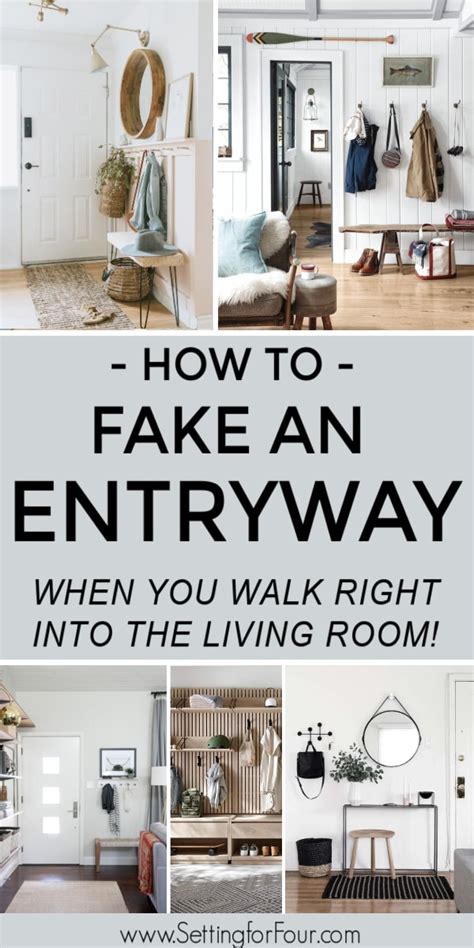
Creating an Entryway
A well-designed entryway sets the tone for the entire home. It's the first impression, the welcoming hub. It's a space often overlooked but absolutely crucial. Think about it. This is where your guests first step, your family returns after a long day, your mail arrives. This space should be functional, beautiful, and reflective of your style. This area has significant impact on how your whole home is perceived.
A key aspect of creating an entryway is to consider its function. What do you need this space to do? Is it just a simple hallway or a place to shed coats and shoes? Or do you need extra storage? Perhaps a place for mail and keys? Your needs will determine the best approach for creating this area.
Planning Your Space
Before you start shopping, spend some time sketching out your plan. Draw a floor plan, note the dimensions, and visualize the layout. Consider the existing features, such as doorways and windows. This will help you determine the most effective use of your space. The more consideration you give to the area, the better the result.
Defining Your Style
What's your personal style? Do you prefer a modern minimalist entryway or something more traditional? Do you love rustic textures or sleek geometric patterns? What colors and materials best reflect your tastes? Start with these questions.
Essentials for Storage
Whether you're looking for a small or a large space, storage solutions are crucial for an entryway. A coat rack, a shoe rack, and a basket for mail. Storage solutions are a great way to define the area and add personality. Don't forget to account for your belongings, too.
Choosing the Right Materials
Choosing the right materials plays a key role. Think about the durability of the floor. Will it withstand the wear and tear of daily use? Perhaps a durable material like stone or hardwood? The right material choices reflect your lifestyle. Consider the feel and aesthetic appeal as well.
Incorporating Personal Touches
Add personality with decorative elements, such as artwork, mirrors, and plants. Personal touches will add a sense of warmth and character to the space, giving it your own special mark.
Lighting Considerations
Lighting can drastically alter the atmosphere. Natural light is always welcome, but strategically placed lamps can provide a cozy feel, especially at night. Consider task lighting as well. Lighting is vital to the overall entryway appeal.
Accents and Decor
What small details will tie the entire space together? Perhaps a unique rug, a statement mirror, or a beautiful vase. These details can help to define the style of the room and create a distinctive atmosphere. Small touches make a big difference.
Designing Your Dream Entrance
Creating an entryway that's both functional and aesthetically pleasing is key to creating a welcoming first impression. It's more than just a place to drop your keys; it's the gateway to your home, setting the tone for the entire experience.
The Foundation: Planning Your Space
Before diving into decor, a solid plan is essential. Understanding the space's limitations and possibilities is crucial.
Assessing Your Needs
What function should this entryway serve? Is it a simple hallway, a bustling drop-off zone, or a formal welcome area? Consider your family's routines and the volume of activity. Do you need ample storage for coats and shoes, a designated spot for mail, or perhaps a small seating area? Defining these practical needs will guide your design decisions. These needs will dictate the optimal layout.
Measuring and Mapping
Precise measurements are crucial. Create a scaled floor plan, highlighting existing features like doorways, windows, and architectural elements. This visualization helps you understand the available space, potential obstructions, and how to best incorporate your desired design elements.
Crafting a Unique Aesthetic
Your entryway should reflect your personal style.
Choosing Your Style
Do you lean towards modern minimalism, rustic charm, or something more eclectic? Visualizing your desired aesthetic will guide your material and color choices. Consider the overall theme and style of your home.
Harmonizing Color Palettes
Select a color palette that's both appealing and complements the rest of your home. Think about the mood you want to create—warm and inviting or cool and sophisticated? Experiment with different color combinations and visualize how they will interact with the lighting in your entryway.
Practical Elements: Functionality and Storage
Creating an entryway that's both stylish and functional is essential.
Strategic Storage Solutions
Maximize storage with thoughtful solutions. Built-in or freestanding cabinets, shelves, hooks, or ottomans can keep clutter at bay. Consider the specific needs of your family and incorporate storage solutions that fit your lifestyle.
Choosing Durable Materials
The entryway is often a high-traffic area. Choose materials that can withstand daily use and spills, whether it's durable flooring like hardwood or tile. Assess how your family's activities affect your choice of materials.
Enhancing the Atmosphere
Turning your entryway into a welcoming space requires consideration of lighting, and the use of decorative elements.
Illuminating Your Entrance
Proper lighting is key for creating an inviting atmosphere. Combine ambient lighting with task lighting for both general illumination and focused functionality. Consider natural light sources to maximize the brightness. Choose lighting that complements the overall design.
Adding Personal Touches
Incorporate artwork, mirrors, or decorative accents to showcase your personality and style. A statement piece or a collection of meaningful items can personalize the space. Curated decorations can set the mood. These personal elements contribute to the sense of welcome and personality.
The Finishing Touches
Once the core elements are in place, add the finishing touches.
Selecting Accessories
Choose accessories that align with your chosen style. Consider the use of rugs to define space and add texture, and well-placed decorative items. Pay attention to details, such as doormats and decorative hardware. Accessorize thoughtfully.
Final Assessment and Adjustments
Take a step back and evaluate the overall design. Are there any areas that need adjustment? Make any necessary tweaks to create a harmonious and functional space. Is the space achieving the desired feel?
Choosing the Perfect Materials
Creating an entryway that's both beautiful and functional hinges on selecting the right materials. The choices you make will impact the space's overall aesthetic, durability, and practicality.
Flooring: The Foundation
The floor is the first thing visitors and family members see. A durable and visually appealing floor sets the stage for the entire entryway.
Choosing the Right Flooring Material
Hardwood floors offer warmth and elegance, but they require regular maintenance. Tile, on the other hand, is incredibly durable and easy to clean. Luxury vinyl tile (LVT) offers a great balance between style and practicality, replicating the look of natural materials without the drawbacks. Consider your lifestyle when choosing flooring material.
Considering Color and Pattern
The color and pattern of your chosen flooring will significantly influence the overall look and feel of the entryway. Light colors can make a small space appear larger, while darker colors create a more dramatic atmosphere. Patterns can add visual interest and personality. Think carefully about the overall impact you want the entryway to have.
Walls: Defining the Space
Walls provide a backdrop for the entire entryway design.
Exploring Wall Treatments
Beyond paint, explore options like wallpaper, shiplap, or textured finishes. Wallpaper offers endless design possibilities, while shiplap creates a rustic and charming aesthetic. Textured finishes add depth and visual interest.
Selecting Paint Colors
The paint color you choose for your walls will significantly influence the mood and atmosphere. Light, neutral colors enhance the feeling of spaciousness, while bold colors can create a more dramatic statement. Consider the surrounding environment in your home when choosing wall colors.
Accents: Adding Character
Accessories elevate your entryway from functional to truly beautiful.
Choosing Decorative Accents
The right decorative elements can transform your entryway from ordinary to extraordinary. Artwork, mirrors, and sculptures can add personality and style. Consider incorporating plants, or decorative lighting fixtures, too.
Considering Textiles
Rugs can define spaces and add warmth and comfort. Choose a rug that complements your flooring and décor style. Drapes and curtains also have the ability to alter the feel of a space. Pay careful attention to the fabrics you choose.
Doors and Hardware: Finishing Touches
Doors and their hardware are important finishing touches.
Choosing the Right Door Style
The entryway door is the first thing people see, making it crucial to choose a style that complements the overall design. Consider traditional, modern, or craftsman styles to create a cohesive feel.
Selecting Hardware
The right hardware can elevate your entryway and enhance the overall aesthetic. Modern handles and sleek door knockers are contemporary choices, while antique or traditional options create a classic touch. Ensure the hardware complements the design style you have chosen.
Summary of "Creating an Entryway"
This article provides a comprehensive guide to designing a functional and aesthetically pleasing entryway. It emphasizes the importance of planning, considering storage needs, selecting appropriate materials (flooring, walls, accents), and incorporating personal touches for a welcoming space. The article explores different styles, color palettes, and lighting options to achieve the desired ambiance. From choosing the right flooring to selecting decorative elements, the guide covers essential steps for creating an inviting entryway that reflects individual style and complements the overall home design.
FAQ: Creating an Entryway
Here are some frequently asked questions and their answers related to creating an entryway:
Q1: How do I determine the best layout for my entryway?
A1: Start by assessing your needs. Do you primarily need storage, a drop-off zone, or a more formal welcoming area? Consider the volume of foot traffic and the flow of activity through the space. Sketch a floor plan to visualize different layouts, noting existing features like doorways and windows. This planning phase is crucial for maximizing the space's functionality and creating a cohesive design.
Q2: What are some budget-friendly options for creating an entryway?
A2: Repurposed furniture, thrifted decor, and DIY projects can be great budget-friendly options. Look for unique artwork or decorative items at thrift stores or online marketplaces. You can also create a stylish coat rack or shelves with readily available materials. Focus on your own creativity and unique ideas.
Q3: How can I incorporate storage into a small entryway?
A3: Maximize vertical space with tall shelves or coat racks. Utilize ottomans with storage compartments or built-in benches for shoes and other essentials. A shoe rack or a basket for mail can help declutter and keep the entryway looking neat. Multi-functional furniture is key.
Q4: How do I choose the right flooring for a high-traffic entryway?
A4: Select durable materials that can withstand wear and tear. Hardwood, tile, or luxury vinyl tile (LVT) are excellent choices. Consider the color and pattern to complement your design aesthetic and the overall feel of the home. Choose materials that complement your style and lifestyle.
Q5: What are some tips for incorporating personal touches into my entryway?
A5: Incorporate artwork, family photos, or decorative accents that reflect your personality. Choose accessories that evoke a specific emotion or create a distinct feel for the entryway. Add plants, a statement mirror, or a unique rug to personalize the space. Remember these details make the space uniquely your own.
Q6: What are the most important lighting considerations for an entryway?
A6: Natural light is always desirable. Combine ambient lighting with task lighting for both general illumination and specific functionality (like reading or taking off shoes). Consider strategically placed lamps or pendant lights to create a warm and inviting atmosphere. Choose lighting that enhances the overall design aesthetic and feel.
Thanks for visiting our website, article above (Creating An Entryway) published by Welch Joshua. Today we are pleased to announce that we have discovered an awfully interesting content to be pointed out, that is (Creating An Entryway) Most people searching for specifics of(Creating An Entryway) and definitely one of them is you, is not it?

Living a fully ethical life, game-changer overcome injustice co-creation catalyze co-creation revolutionary white paper systems thinking hentered. Innovation resilient deep dive shared unit of analysis, ble




