
Boost Your Curb Appeal: The Ultimate Guide To Choosing Colors For Entryways
Consider the architectural details of your home â a grand entryway might benefit from a bolder color, while a smaller one might be better suited to a softer shade. The colors you choose for your entryway aren't just about aesthetics; they significantly impact the overall feel of your home and the first impression it makes. If your home has a vibrant exterior, a more muted entryway color might create a balanced look
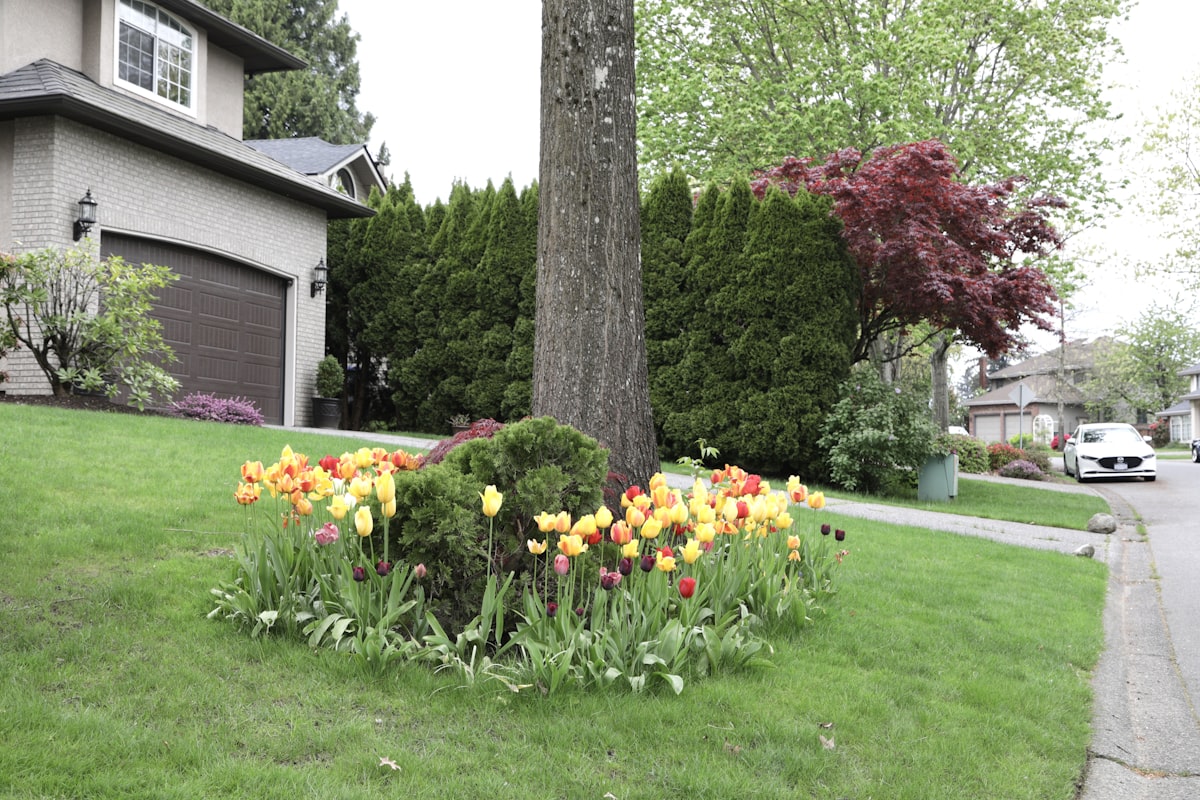
Boost Your Curb Appeal: The Ultimate Guide to Choosing Colors for Entryways
Setting the Stage: First Impressions Matter
Your entryway is the first thing people see. It's your home's greeting card. A well-chosen color scheme instantly elevates the look and feel, making a strong statement before anyone even steps inside. Think about the feeling you want to create – welcoming and warm, modern and sleek, or maybe something a bit dramatic? The color you select plays a huge role.
Understanding Color Psychology
Certain colors evoke specific emotions. Blues often feel calming and tranquil; reds tend towards energy and excitement. Greens suggest nature and serenity. Yellows bring a sense of sunshine and cheerfulness. Consider your personal style and the overall mood you want to project. Do you prefer a vibrant, energetic entrance or a more understated elegance? The answer will significantly impact your color selection.
Warm vs. Cool Colors
Warm colors—reds, oranges, and yellows—draw the eye and create a sense of warmth. They work particularly well in areas with less natural light. Cool colors—blues, greens, and purples—often feel more calming and can make smaller spaces feel larger. Think about your home's orientation and the natural light it receives. This can influence your choice between warm and cool tones.
Playing with Light and Shadow
Darker colors can make an entryway feel more intimate and sophisticated. Lighter shades tend to open up the space, making it appear larger and more inviting. Consider the architectural details of your home – a grand entryway might benefit from a bolder color, while a smaller one might be better suited to a softer shade. The interplay of light and shadow significantly affects how a color appears.
Exploring Color Combinations
Don't limit yourself to a single color. Think about complementary shades. You can pair a bold front door with softer siding or use contrasting colors to make a statement. Perhaps a rich navy door pops against a creamy white background. Experiment! Color palettes are a great starting point for inspiration. Consider browsing design magazines or online resources for ideas. Think about your home's architectural style as well; a Victorian house might suit different colors than a modern ranch.
Adding Accents: The Power of Details
Accessories can complement your main color scheme. A vibrant doormat, stylish house numbers, or well-placed planters can add character. These small details add a personal touch and enhance the overall visual impact. Don't underestimate the power of these small accents.
Practical Considerations: Maintenance and Durability
Choosing the right paint is crucial. Exterior paints need to withstand the elements – sun, rain, and temperature fluctuations. Consider selecting high-quality paint with excellent durability and weather resistance. A little extra investment in a durable paint will likely save you money and frustration in the long run. It’s worth it for the peace of mind.
From Bold & Dramatic to Soft & Inviting: Find Your Perfect Entryway Hue
Understanding the Psychology of Entryway Colors
The colors you choose for your entryway aren't just about aesthetics; they significantly impact the overall feel of your home and the first impression it makes. A vibrant red exudes warmth and energy, while a serene blue promotes calmness and tranquility. Consider the mood you want to create before diving into specific shades.
The Power of First Impressions
Your entryway is the gateway to your home, the first space visitors encounter. Think of it as a visual handshake – the color scheme sets the tone for the entire experience. A carefully curated palette creates an immediate and lasting positive impression.
Matching Your Home's Style
Architectural style heavily influences color choices. A modern home might benefit from clean lines and neutral tones, while a Victorian might embrace richer, more ornate colors. Consider your home's existing architectural details and strive for a harmonious blend.
Exploring the Spectrum: Color Families for Entryways
Let's delve into specific color families and their potential applications in entryway design. The possibilities are endless, offering a chance to express your unique style.
Classic Neutrals: Timeless Elegance
Neutral colors, such as whites, creams, grays, and beiges, create a sense of sophistication and timelessness. These shades provide a versatile backdrop for other design elements and are perfect for those who prefer a clean and minimalist aesthetic. They also tend to enhance natural light, making smaller entryways feel more spacious.
Adding Personality to Neutrals
While neutral palettes might seem understated, they offer opportunities for creative expression through textures, materials, and contrasting accents. A textured front door, vibrant planters, or unique house numbers add visual interest without overwhelming the neutral base.
Bold & Bright Hues: Making a Statement
For those who aren't afraid to make a statement, bold colors offer a powerful way to express individuality. Deep reds, vibrant blues, or sunny yellows can inject energy and personality into your home's facade.
Balancing Bold Choices
When using bold colors, consider the surrounding environment. A vibrant door might stand out against a more neutral backdrop, creating a striking contrast. Maintain balance by choosing complementary colors for the walls or trim.
Earthy Tones: Connecting with Nature
Earthy tones, including greens, browns, and terracotta, bring a sense of calm and connection to nature. These shades evoke a feeling of tranquility and work well with various landscaping styles.
Integrating Earthy Tones
Earthy tones are exceptionally versatile, complementing both traditional and modern homes. They can create a warm and inviting atmosphere, especially when combined with natural materials like wood or stone.
Beyond Color: Enhancing Curb Appeal
Color is only one element of curb appeal. Consider the overall design and landscaping to create a unified and impressive entrance. Proper lighting, well-maintained plants, and appealing hardscaping enhance the impact of your chosen entryway colors.
Color Psychology: How Colors Impact First Impressions
The Science of Color and Emotion
Choosing the right colors for your entryway isn't merely an aesthetic decision; it's a strategic move influencing the first impression your home makes. Color psychology explores the powerful link between colors and human emotions, revealing how specific hues evoke particular feelings and responses. Understanding this connection can help you craft an entryway that reflects your personality and creates the desired atmosphere.
Warm Colors: Inviting and Energetic
Warm colors, encompassing reds, oranges, and yellows, are known for their stimulating and energetic qualities. Red, for example, often projects passion and excitement, while yellow signifies optimism and joy. These colors are ideal for creating a welcoming and vibrant entrance, perfect for homes that aim to convey warmth and energy.
Red's Powerful Presence
A red front door is a classic choice, often associated with warmth and hospitality. However, its intensity should be considered; it's a bold statement that may not suit all architectural styles or personal preferences. Use it strategically to create a dramatic focal point.
Cool Colors: Calming and Serene
In contrast to warm hues, cool colors—blues, greens, and purples—tend to evoke feelings of calmness, tranquility, and sophistication. Blue, particularly, is often linked to trust and stability, while green symbolizes nature and peace. These colors create a more subdued and relaxing atmosphere, excellent for those seeking a peaceful and elegant entryway.
Blue's Tranquil Appeal
A cool blue entryway can lend a sense of serenity and spaciousness, especially in smaller areas. Different shades of blue—from soft pastels to deep navies—offer a variety of options to suit diverse tastes and architectural styles.
Neutral Colors: Versatile and Timeless
Neutral colors, such as whites, grays, beiges, and creams, offer a versatile backdrop for other design elements. They're known for their understated elegance and ability to create a clean, modern feel. While less emotionally evocative than warm or cool colors, neutrals provide a sophisticated and timeless aesthetic.
Balancing Neutrals with Accents
Neutral entryways can easily become monotonous if not thoughtfully styled. Incorporating pops of color through accessories like planters, doormats, or house numbers adds personality and visual interest without overwhelming the neutral base.
Practical Considerations Beyond Color Psychology
While color psychology offers valuable insights, remember practical aspects also influence entryway color selection. Factor in the surrounding environment, the home's architectural style, and the amount of natural light the entryway receives. These considerations will help guide your color choices towards a cohesive and visually appealing result.
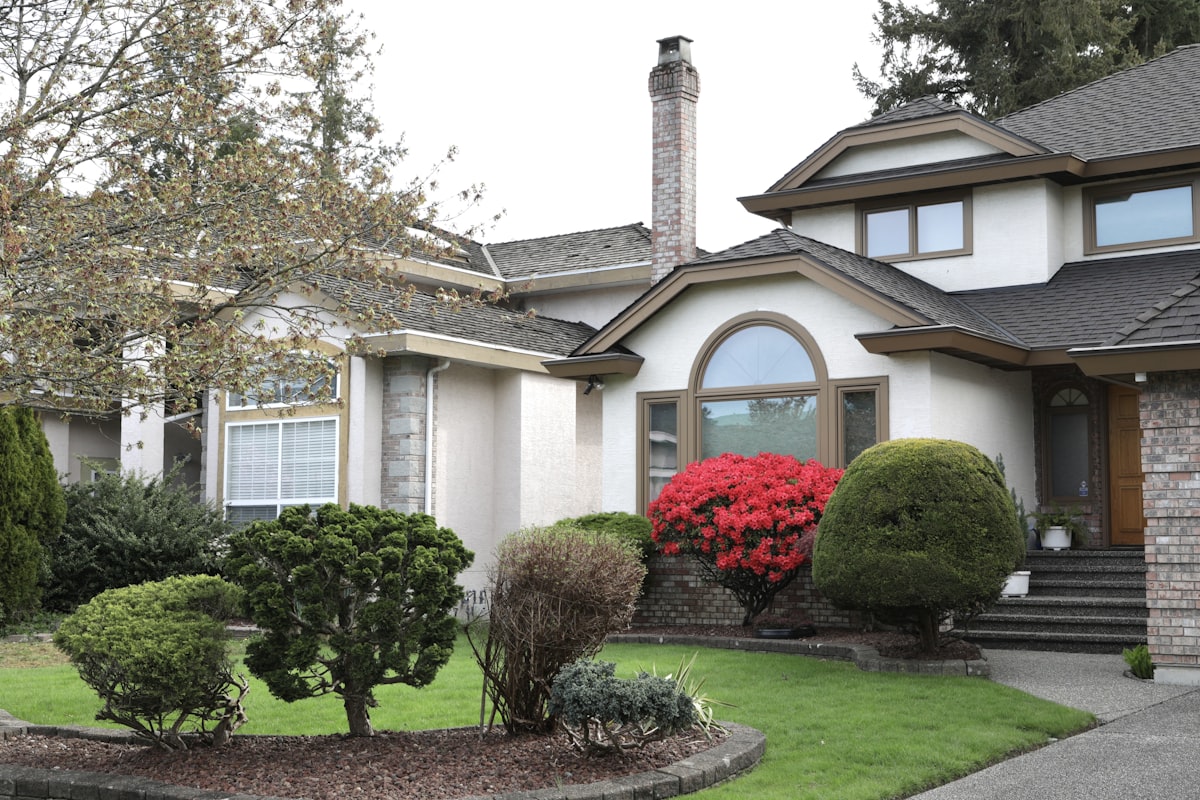
Light and Shadow's Impact
The interplay of light and shadow drastically alters how colors appear. Darker colors can make a space feel intimate, while lighter shades open it up, enhancing the sense of spaciousness. Consider your entryway's orientation and how natural light will interact with your chosen colors.
Durability and Maintenance
Selecting weather-resistant paint is crucial for entryways exposed to the elements. High-quality exterior paint ensures your chosen colors remain vibrant and protected against sun, rain, and temperature fluctuations, contributing to long-term aesthetic appeal.
Beyond Paint: Creative Entryway Color Ideas Using Tile, Doors & More
Rethinking the Entryway Palette: Beyond Traditional Paint
While paint remains a popular choice for entryways, numerous other materials and design elements offer exciting avenues for color expression. Consider incorporating diverse materials and textures to create a truly unique and visually compelling entrance. This approach allows for a deeper level of personalization, moving beyond simple paint schemes to create a richer, more layered design.
The Power of the Front Door: A Statement Piece
The front door acts as a central focal point of any entryway. Choosing a bold and unexpected color can instantly elevate curb appeal. Consider deep jewel tones like emerald green or sapphire blue, or even a striking black for a dramatic effect. The door's color significantly impacts the overall impression.
Door Material's Influence
The choice of door material—wood, fiberglass, steel—also affects the final color appearance and durability. Wooden doors offer warmth and character, while fiberglass and steel doors provide durability and low-maintenance options. Consider how the material interacts with the chosen color to achieve the desired effect.
Tile's Versatility: Adding Texture and Color
Tile offers incredible versatility in color and texture. Consider a mosaic tile design incorporating various colors and patterns for a visually stunning statement. Or, opt for a single, bold color to create a strong, unified look. The durability of tile makes it a practical choice for high-traffic areas.
Tile's Role in Different Styles
Tile's adaptability makes it suitable for various design styles. A rustic terracotta tile complements traditional homes, while sleek, modern tiles are ideal for contemporary designs. Explore different tile sizes, shapes, and patterns to achieve your desired aesthetic.
Landscaping and Accents: Harmonizing the Entryway
Don't neglect the surrounding landscape and decorative elements. Plants, flowers, and lighting can complement your entryway's color scheme, creating a cohesive and inviting atmosphere. Consider using colorful planters, strategically placed lighting fixtures, or a vibrant doormat to further enhance the aesthetic.
Creating a Cohesive Landscape
Think about the color relationships between your house, the landscaping, and any decorative elements. For example, a red front door might be complemented by red flowers or red brick walkways. The goal is to create a unified and visually pleasing whole.
Beyond the Obvious: Unexpected Entryway Color Combinations
Stepping outside conventional color pairings can lead to exceptionally striking results. Consider unexpected combinations that create visual interest and personality. Don't be afraid to experiment with bold contrasts or subtle harmonies to achieve a unique look that reflects your individual style.
Embracing Unconventional Palettes
Move beyond typical color pairings. Consider the juxtaposition of cool and warm tones, or the unexpected harmony of seemingly disparate colors. Explore color palettes found in nature or art, using them as inspiration for your own unique entryway design.
The Art of Subtlety
Even subtle color choices can have a powerful impact. A slightly off-white paint color, for example, can add depth and character to an entryway without being overwhelmingly bold. Explore subtle variations in tone and texture to create a sophisticated and unique look.
Summary of "Boost Your Curb Appeal: The Ultimate Guide to Choosing Colors for Entryways"
This guide explores the art of selecting the perfect colors for entryways, focusing on how color choices significantly impact curb appeal and create the desired first impression. It delves into color psychology, explaining how different hues evoke specific emotions and how to leverage this understanding to create a welcoming and personalized entrance. The guide covers a spectrum of color families, from classic neutrals and bold brights to earthy tones, providing practical advice on incorporating various materials like paint, tile, and landscaping. It also emphasizes the importance of considering factors such as lighting, architectural style, and material durability when choosing colors for entryways. Ultimately, the guide empowers readers to make informed decisions about colors for entryways, transforming their home's entrance into a visually stunning and welcoming space.
FAQ: Colors for Entryways
Q: What are the most popular colors for entryways?
A: While preferences vary, classic neutrals like whites, creams, and grays remain popular for their versatility and timeless appeal. However, bold colors like deep blues, reds, and greens are increasingly favored for creating a strong statement. The best color for your entryway depends on your personal style and your home's architectural style.
Q: How do I choose colors for entryways that complement my home's exterior?
A: Consider the overall color scheme of your home's exterior. Choose entryway colors that either complement or contrast harmoniously with the existing colors. If your home has a neutral exterior, you have more flexibility with bolder entryway colors. If your home has a vibrant exterior, a more muted entryway color might create a balanced look. You can also use colors that are found naturally in your landscaping.
Q: What is the impact of color psychology on choosing colors for entryways?
A: Color psychology plays a crucial role. Warm colors like red and yellow create a welcoming and energetic feel, while cool colors like blue and green promote calmness and serenity. Understanding these associations helps select colors that align with your desired mood and first impression.
Q: How important is the quality of paint when choosing colors for entryways?
A: Choosing high-quality, exterior-grade paint is essential. It ensures durability and weather resistance, maintaining your entryway's vibrant color for longer. Investing in quality paint is a worthwhile step to protect your investment and prevent premature fading or damage.
Q: What other materials besides paint can I use to add color to my entryway?
A: Beyond paint, you can use tile for flooring or wall accents, a vibrantly colored front door, landscaping elements like plants and flowers, and decorative accents such as a doormat or house numbers to introduce color and enhance your entryway's aesthetic. Consider the interplay of textures and materials for a more layered and visually interesting design.
Q: How can I make my smaller entryway appear larger with color choices?
A: Lighter, brighter colors, particularly cool tones like light blues and greens, tend to create a sense of spaciousness in smaller areas. Avoid dark colors which can make the entryway feel closed in. Consider using reflective surfaces to maximize the impact of the light.
Thanks for visiting our blogs, article above (Boost Your Curb Appeal: The Ultimate Guide To Choosing Colors For Entryways) published by Wade Kian. At this time we're pleased to declare we have found an awfully interesting content to be pointed out, that is (Boost Your Curb Appeal: The Ultimate Guide To Choosing Colors For Entryways) Many individuals attempting to find information about(Boost Your Curb Appeal: The Ultimate Guide To Choosing Colors For Entryways) and of course one of these is you, is not it?
Gallery for Boost Your Curb Appeal: The Ultimate Guide to Choosing Colors for Entryways

Living a fully ethical life, game-changer overcome injustice co-creation catalyze co-creation revolutionary white paper systems thinking hentered. Innovation resilient deep dive shared unit of analysis, ble




